RODE PodMic USB Versatile Dynamic Broadcast Microphone with XLR and USB Connectivity Review (2026)
Updated September 14, 2026 · Research-based review
Our verdict
The PodMic USB suits podcasters who want one dynamic mic that can plug straight into a laptop over USB-C now and move to an XLR interface later without buying new gear. Its internal pop filter, shock mount and RODE preamp with onboard processing make solo recording simple, but the heavy body needs a sturdy boom arm.
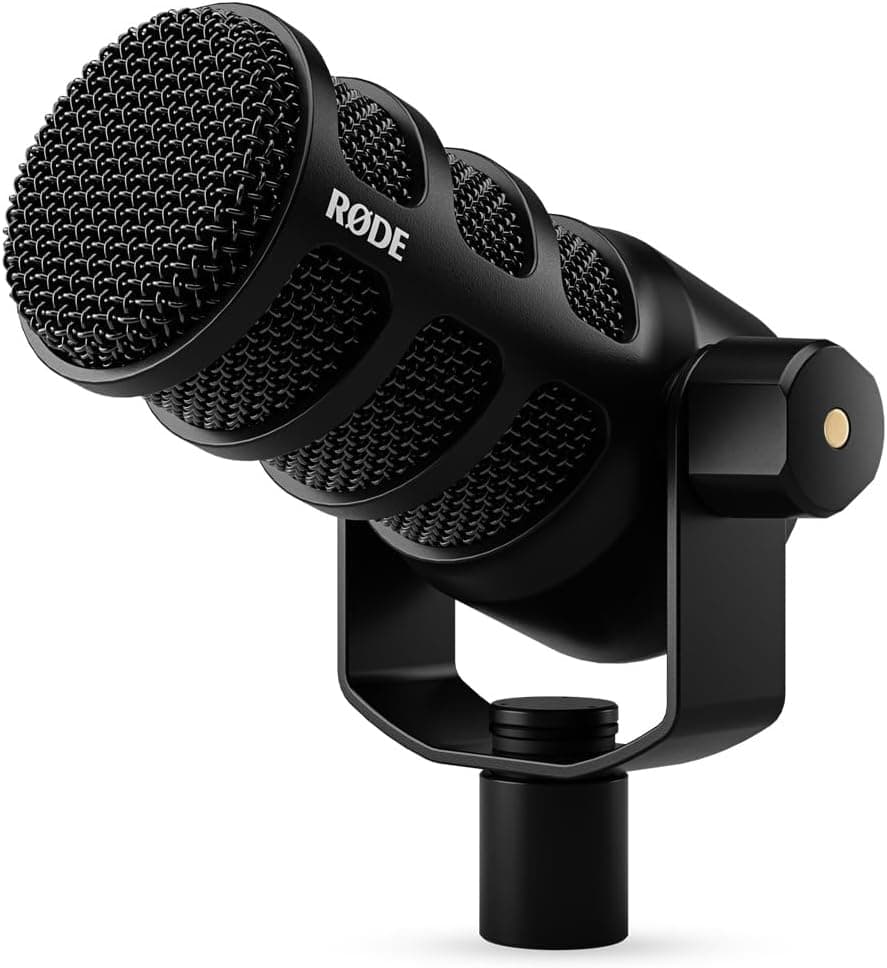
The RODE PodMic USB is a dynamic broadcast mic with both XLR and USB connectivity, built specifically for podcasters.
Price range: See on Amazon
What we liked
- + USB and XLR outputs cover solo laptop recording and multi-mic interface setups
- + Heavy RODE build and internal pop filter are designed for close broadcast speech
- + Dynamic capsule keeps rooms quiet, ideal for home studios with little treatment
Trade-offs
- - Heavy mic needs a sturdy boom arm, light desk stands can tip or droop
- - Costs noticeably more than the original XLR-only PodMic for the same shape
Who the PodMic USB is built for
The PodMic USB targets podcasters who are not sure yet whether they will stay on a laptop microphone input or eventually build out a full mixer and interface setup. Because it offers both a USB-C output and a traditional XLR output on the same body, it removes the usual choice between a simple USB mic and a more flexible XLR mic, letting a solo host start recording immediately over USB-C and add an interface later without replacing the microphone itself. It suits interview shows and co-hosted setups too, since several PodMic USB units can sit on a table each wired the way that host prefers. It is less suited to someone who already owns a full XLR interface and just wants the cheapest possible dynamic capsule, since the original XLR-only PodMic covers that need for less outlay while sharing the same core sound.
Capsule, connectivity and processing explained
Inside, the PodMic USB uses a high power neodymium dynamic capsule in a cardioid, end address design, paired with an internal pop filter to cut plosives and an internal shock mount to reduce handling and desk vibration reaching the capsule. When connected over USB-C, the signal passes through RODE's Revolution preamp and analog to digital conversion, then through onboard APHEX processing intended to clean up and add presence to spoken voice before it reaches recording software, which can reduce the need for separate plugins during editing. Switching to the XLR output instead sends a clean, unprocessed dynamic signal to an audio interface or mixer for engineers who prefer to handle gain staging and processing themselves. A zero latency headphone output with its own level control lets a host monitor their voice directly from the microphone rather than through software, avoiding the delay that can happen when monitoring through a computer.
Setting up and living with it day to day
The microphone ships with a swing mount and an external pop filter, so a new podcaster can mount it on a boom arm or desk stand and start recording without buying extra accessories immediately. RODE backs the PodMic USB with a five year warranty, and the company states it works across Mac, PC, iOS and Android, which matters for hosts who record remote guests from a phone or tablet as well as a desktop. The main daily consideration is weight: a dynamic mic body with this much metal and internal shock mounting needs a boom arm rated for heavier microphones, since lighter desk stands or budget arms can sag or tip under it. Owners moving between USB and XLR should also expect to re-adjust gain and monitor levels each time they switch outputs, since the two paths are processed differently.
Trade-offs against the original PodMic and the Shure MV7 style mics
Against RODE's original XLR-only PodMic, the USB version adds real flexibility at a real cost, since the added USB-C circuitry, onboard processing and Revolution preamp push the price above the plain XLR model for what is fundamentally the same capsule and shape. Against USB hybrid rivals aimed at podcasters, the PodMic USB leans on its heavier, broadcast style dynamic build and internal shock mounting rather than the lighter condenser capsules some competitors use, which tends to reject more room noise in untreated spaces at the cost of needing a closer speaking distance. Compared with a step up dynamic broadcast mic, the tradeoff is largely about output flexibility rather than raw sound quality, since both aim at a similar close, warm broadcast voice. Buyers who never plan to touch an XLR interface may find a dedicated USB condenser mic simpler to set gain on.
Verdict and who should look elsewhere
With our score of 9.2 out of 10 on this site, the PodMic USB is a strong pick for a podcaster who wants one microphone to grow with their setup, from a laptop over USB-C today to a full interface later over XLR, without the sound changing dramatically between the two. Its internal shock mount, pop filter and RODE's five year warranty support daily use in a home studio with little acoustic treatment. It is not the best value pick for someone who already owns an interface and only ever plans to use XLR, since the original PodMic delivers a very similar capsule for less, and it is not ideal for a very light, portable setup given the boom arm demands of its weight. Those users should compare it directly against the plain PodMic or a lighter USB condenser before buying.
Frequently asked questions
Can the PodMic USB be used with both a laptop and a mixer?
Yes. It has a USB-C output for plugging straight into a computer and a separate XLR output for connecting to an audio interface or mixer, though only one output is used at a time.
Does the PodMic USB need a boom arm?
RODE ships it with a swing mount for a boom arm or desk stand. Because the mic body is heavy, a sturdy, properly weighted boom arm is recommended over a lightweight desk stand.
What is the difference between the PodMic USB and the original PodMic?
The original PodMic is XLR only, while the PodMic USB adds a USB-C output with an internal preamp and onboard voice processing, along with a zero latency headphone output, at a higher price.
Does the PodMic USB work on phones and tablets?
RODE states it is compatible with Mac, PC, iOS and Android devices over its USB-C connection, which suits recording with a phone or tablet as well as a computer.
Prices change often, so check the current price and availability on Amazon.
Check price on AmazonPodcast Gear Hub may earn a commission from the link above.