Best Podcast Microphones
Updated How we research
RODE PodMic USB Versatile Dynamic Broadcast Microphone with XLR and USB Connectivity
The RODE PodMic USB is a dynamic broadcast mic with both XLR and USB connectivity, built specifically for podcasters.
Shure MV7+ Dynamic Microphone USB-C and XLR Podcast Mic
Shure's MV7+ is a dynamic podcast mic with USB-C and XLR outputs, updating the MV7 for creators who want one mic for any setup.
Your microphone is the single biggest factor in how your podcast sounds, and listeners notice good audio long before they notice good gear. The right mic captures your voice with warmth and clarity, cuts through distractions, and gives your show that professional feel that keeps people subscribed. Whether you record solo or run a full panel, it all starts here. The best pick depends on your room, your budget, and whether you prefer plug-and-play USB or a more expandable XLR setup. There is no single right answer, only the right fit for your show. In this guide we bring together the podcast mics we trust most, sorted for beginners, upgraders, and creators chasing broadcast-grade sound.
The short version
We compared 8 picks. Our scores range from 8.0 to 9.2 out of 10.
- Best overall:RODE PodMic USB Versatile Dynamic Broadcast Microphone with XLR and USB Connectivity. Highest overall score in this guide at 9.2/10.
- Also great value:FIFINE AmpliGame AM8 USB/XLR Dynamic Microphone with RGB Light and Mute Button. Value score of 10/10, overall 8.6/10.
- Solid build:Shure SM7B Dynamic Studio Microphone XLR Mic for Podcasting and Broadcasting. Build and materials score of 10/10, overall 8.9/10.
- Feature-rich:Shure MV7+ Dynamic Microphone USB-C and XLR Podcast Mic. Features score of 9/10, overall 9.2/10.
Scores are our editorial assessment, not customer ratings. How we score
- 1.RODE PodMic USB Versatile Dynamic Broadcast Microphone with XLR and USB Connectivity9.2/10See on AmazonCheck price
- 2.Shure MV7+ Dynamic Microphone USB-C and XLR Podcast Mic9.2/10See on AmazonCheck price
- 3.Shure SM7B Dynamic Studio Microphone XLR Mic for Podcasting and Broadcasting8.9/10See on AmazonCheck price
- 4.FIFINE AmpliGame AM8 USB/XLR Dynamic Microphone with RGB Light and Mute Button8.6/10See on AmazonCheck price
- 5.Audio-Technica AT2020USB+ Cardioid Condenser USB Microphone with Headphone Jack8.4/10See on AmazonCheck price
- 6.Shure MV7X XLR Dynamic Microphone for Podcasting and Vocal Recording8.3/10See on AmazonCheck price
- 7.Elgato Wave:3 MK.2 USB Condenser Microphone, DSP Effects8.3/10See on AmazonCheck price
- 8.HyperX QuadCast USB Condenser Gaming Microphone with Anti-Vibration Shock Mount8.0/10See on AmazonCheck price
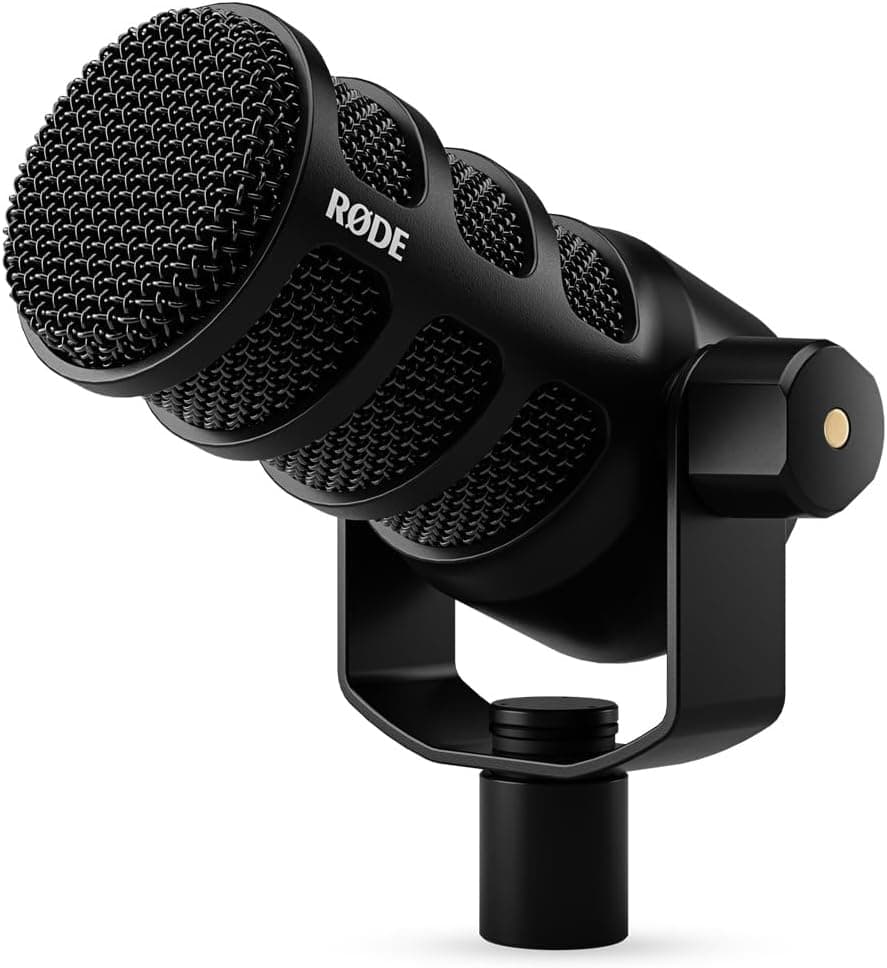 #1
The RODE PodMic USB is a dynamic broadcast mic with both XLR and USB connectivity, built specifically for podcasters.
Fit for the job 10/10 · Features and specs 9/10 · Build and materials 9/10 · Value 8/10
- + USB and XLR outputs cover solo laptop recording and multi-mic interface setups
- + Heavy RODE build and internal pop filter are designed for close broadcast speech
- + Dynamic capsule keeps rooms quiet, ideal for home studios with little treatment
- - Heavy mic needs a sturdy boom arm, light desk stands can tip or droop
- - Costs noticeably more than the original XLR-only PodMic for the same shape
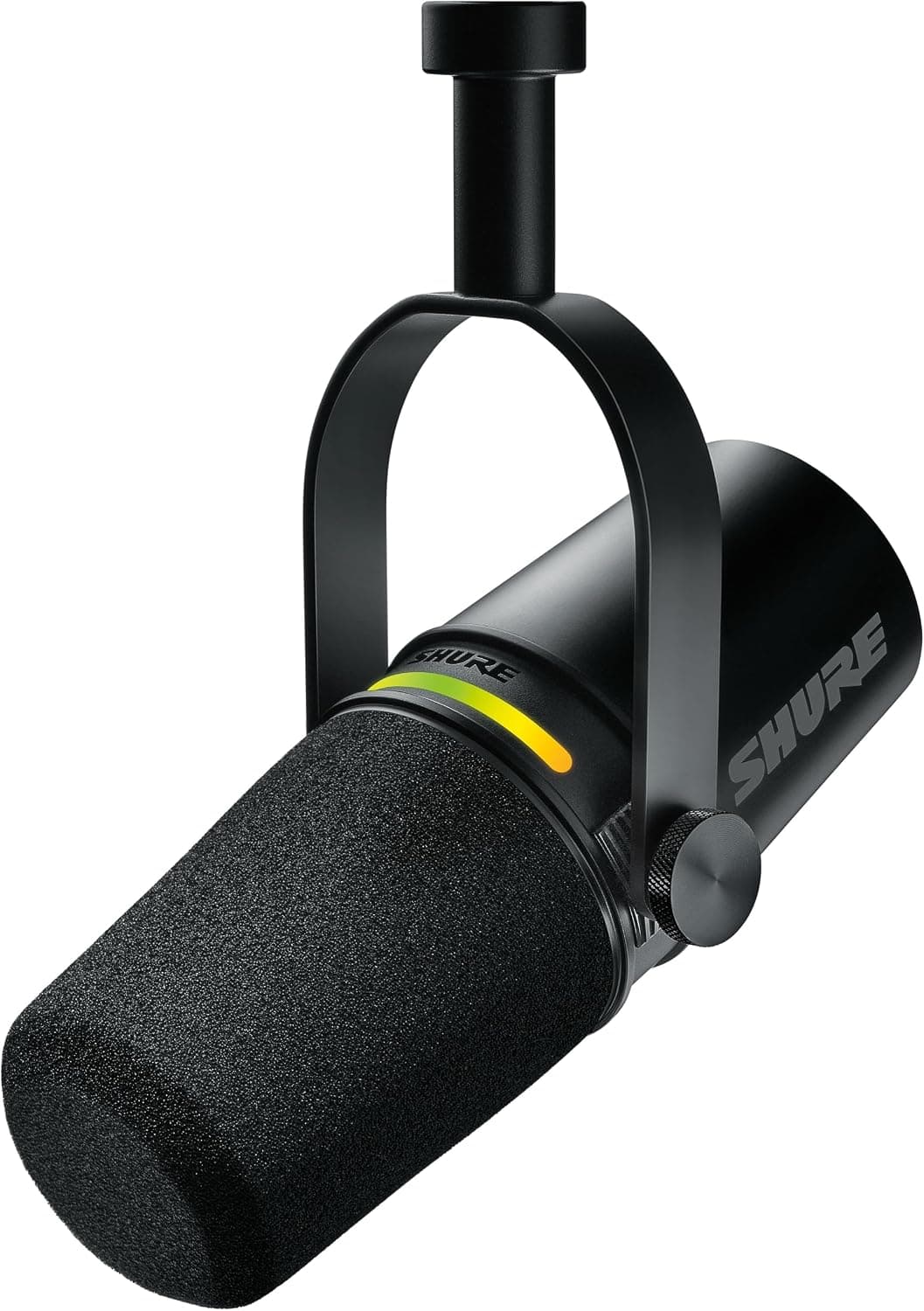 #2
Shure's MV7+ is a dynamic podcast mic with USB-C and XLR outputs, updating the MV7 for creators who want one mic for any setup.
Fit for the job 10/10 · Features and specs 9/10 · Build and materials 9/10 · Value 8/10
- + USB-C and XLR outputs work with modern laptops, phones and pro interfaces
- + Dynamic capsule tuned for spoken word keeps voices close and rooms quiet
- + Shure software tools help beginners dial in levels without deep audio knowledge
- - Pricier than basic USB dynamic mics that offer similar core noise rejection
- - Touch panel and lighting add features some hosts will never actually use
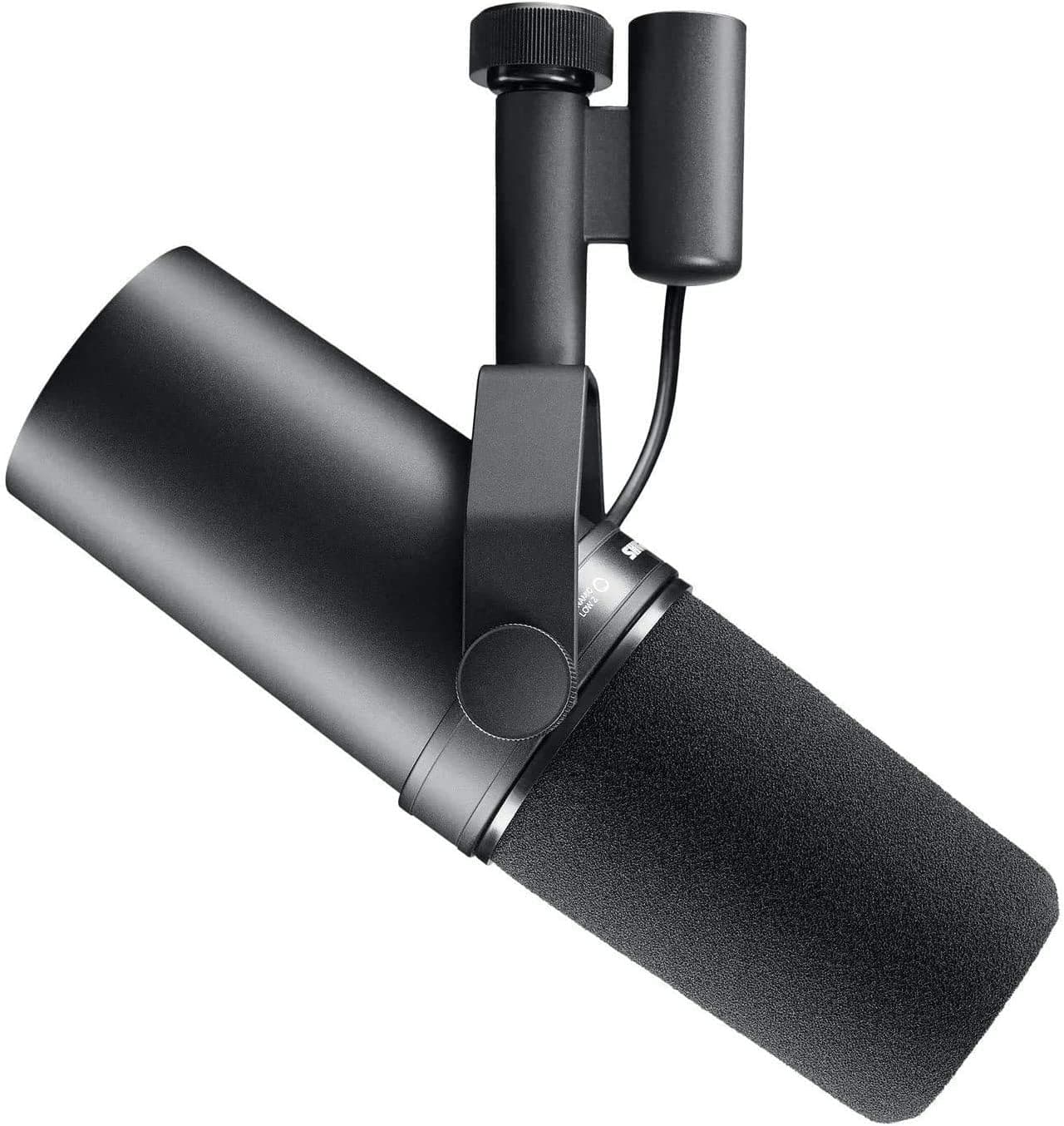 #3
The Shure SM7B is the classic broadcast dynamic microphone, a reference choice for serious podcast and radio studios.
Fit for the job 10/10 · Features and specs 8/10 · Build and materials 10/10 · Value 7/10
- + Smooth, full voice sound is the benchmark many famous podcasts and radio shows use
- + Excellent rejection of room noise makes it forgiving in spaces without treatment
- + Rugged Shure build is designed to survive years of daily studio use
- - Very low output needs a strong interface preamp or an inline booster for good levels
- - Premium price is hard to justify for a beginner still testing the podcast idea
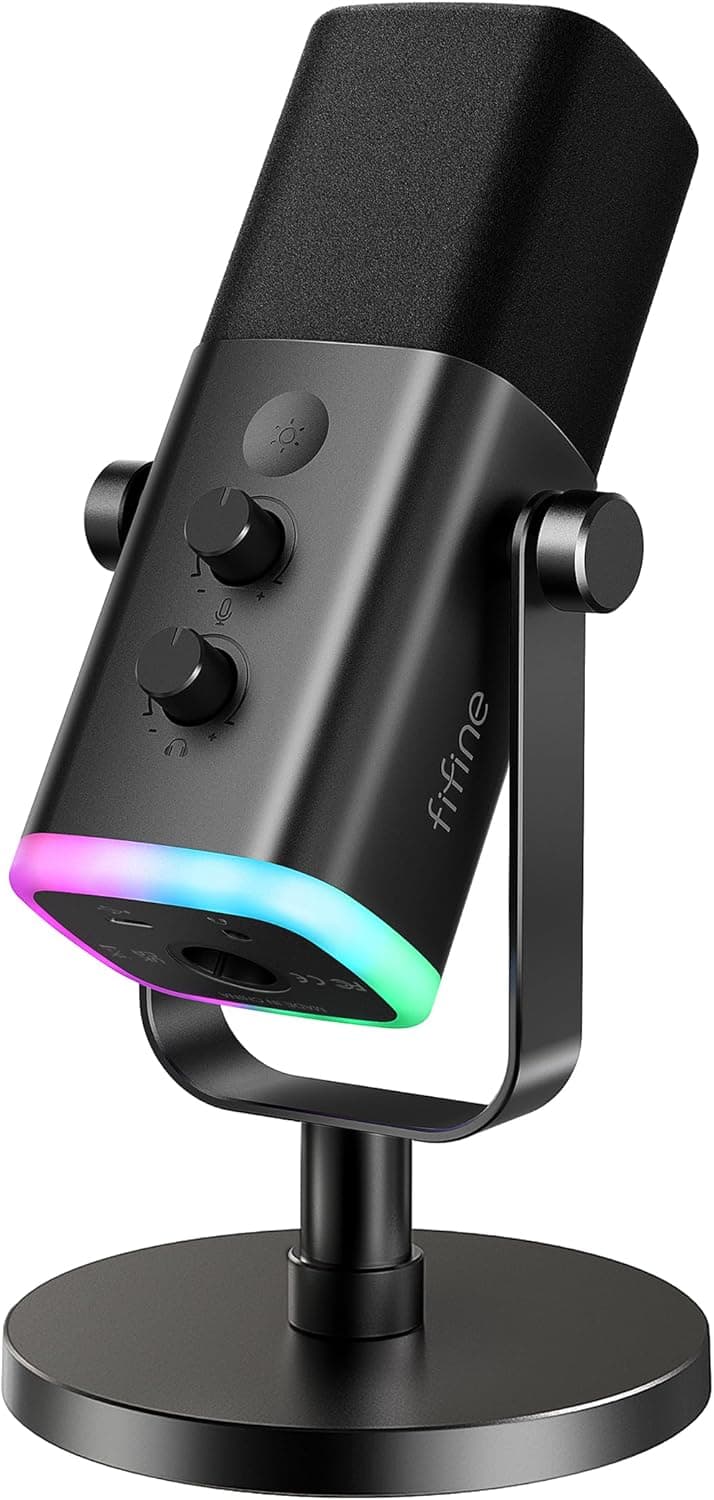 #4
FIFINE's AmpliGame AM8 is a dynamic mic with both USB and XLR outputs, a flexible first podcast mic that can grow into an interface setup.
Fit for the job 9/10 · Features and specs 8/10 · Build and materials 7/10 · Value 10/10
- + USB and XLR outputs let you start plugged into a laptop and move to a mixer later
- + Dynamic capsule rejects more room noise than a condenser in an untreated bedroom
- + Built-in mute button makes it quick to cough or pause mid-recording without editing
- - RGB light is aimed at streamers and can look busy on a professional video podcast
- - Budget build and capsule will not match the depth of a premium broadcast dynamic mic
 #5
Audio-Technica's AT2020USB+ is a cardioid condenser USB mic with a headphone jack, a studio-sounding pick for solo home podcasters.
Fit for the job 9/10 · Features and specs 8/10 · Build and materials 8/10 · Value 8/10
- + Headphone jack gives zero-latency monitoring without a separate interface
- + Mix control blends your mic with computer playback during recording
- + Same trusted AT2020 family voicing in a simple plug-in USB format
- - USB-only connection means it cannot grow into an XLR mixer setup later
- - Side-address condenser needs careful aim and a quiet room to sound its best
 #6
Shure's MV7X is the XLR-only version of the MV7, a broadcast-style dynamic mic for podcasters who already own an interface or mixer.
Fit for the job 9/10 · Features and specs 7/10 · Build and materials 9/10 · Value 8/10
- + Shure dynamic capsule is tuned for close spoken word, giving a warm radio-style voice
- + XLR-only design keeps it simple and slots into any interface, mixer or recorder
- + Tight pickup helps reject keyboard clicks and room echo in home studios
- - No USB output, so you must buy an audio interface or mixer to use it at all
- - Fairly low output means a clean preamp with plenty of gain is recommended
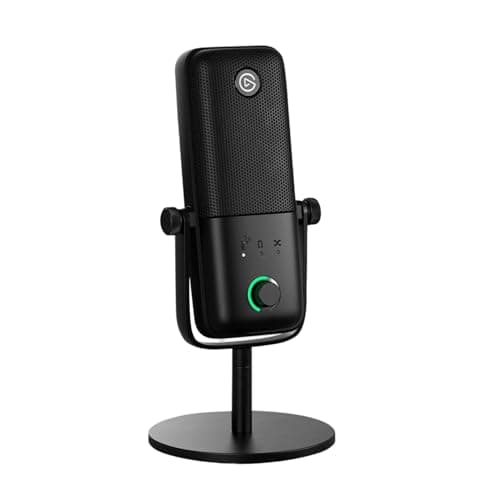 #7
The Elgato Wave:3 MK.2 is a USB-C cardioid condenser microphone with Clipguard 2.0 anti-distortion, Auto Gain, onboard DSP effects and tap-to-mute for solo podcasters and streamers.
Fit for the job 8/10 · Features and specs 9/10 · Build and materials 8/10 · Value 8/10
- + Multi-stage Clipguard 2.0 guards against clipping and Auto Gain sets levels in seconds, so setup needs little audio knowledge.
- + Built-in voice enhancer, compressor and EQ shape the sound in the microphone, with the Wave Link app for routing.
- + A multifunction dial, tap-to-mute, LED level feedback and a headphone jack for direct monitoring sit on the mic itself.
- - USB only: there is no XLR output, so it cannot move to a mixer or audio interface later.
- - It uses a condenser capsule, a type that generally captures more room sound than the dynamic mics in this guide.
 #8
HyperX's QuadCast is a USB condenser with an anti-vibration shock mount, a gaming-styled mic that also handles solo podcasting.
Fit for the job 8/10 · Features and specs 8/10 · Build and materials 8/10 · Value 8/10
- + Anti-vibration shock mount cuts thumps from desk bumps and keyboard hits
- + Several pickup patterns let you switch between solo talk and in-person guests
- + Tap-to-mute top and red glow make mute status easy to see mid-stream
- - Condenser capsule picks up room echo, so speak close and treat the space
- - Proprietary mount shape makes swapping to other shock mounts awkward
Before you buy: trade-offs we flagged
No pick is perfect. These are the main compromises we noted for the top products in this guide, so you can check they will not matter for you.
- Heavy mic needs a sturdy boom arm, light desk stands can tip or droop (RODE PodMic USB Versatile Dynamic Broadcast...)
- Pricier than basic USB dynamic mics that offer similar core noise rejection (Shure MV7+ Dynamic Microphone USB-C and XLR...)
- Very low output needs a strong interface preamp or an inline booster for good levels (Shure SM7B Dynamic Studio Microphone XLR Mic...)
- RGB light is aimed at streamers and can look busy on a professional video podcast (FIFINE AmpliGame AM8 USB/XLR Dynamic...)
- USB-only connection means it cannot grow into an XLR mixer setup later (Audio-Technica AT2020USB+ Cardioid Condenser...)
- No USB output, so you must buy an audio interface or mixer to use it at all (Shure MV7X XLR Dynamic Microphone for...)
Frequently asked questions
›What is the best choice among podcast microphones?
RODE PodMic USB Versatile Dynamic Broadcast Microphone with XLR and USB Connectivity is our top overall pick. The RODE PodMic USB is a dynamic broadcast mic with both XLR and USB connectivity, built specifically for podcasters. It earns our score of 9.2/10, based on fit for the job, features, build and value.
›What is a good budget option?
Shure MV7+ Dynamic Microphone USB-C and XLR Podcast Mic is the strongest low-cost pick in this guide. Shure's MV7+ is a dynamic podcast mic with USB-C and XLR outputs, updating the MV7 for creators who want one mic for any setup.
›How much should I expect to spend?
Picks in this guide span See on Amazon price bands (roughly: $ = under $30, $$ = $30 to $100, $$$ = over $100). We never display exact prices because they change constantly, so the buttons above always show Amazon's current price.
›How were these products chosen?
We shortlist products that fit the job this guide solves and compare their published specifications, such as size, capacity, materials and what is included. Each pick gets an editorial score out of 10 for fit, features, build and value, and we write the pros and cons from those details. Our score is not an Amazon customer rating. We earn a commission if you buy through our links, which never affects the ranking.
Podcast Gear Hub independently selects every product; we may earn a commission from links above.
More questions readers ask
What microphone do most podcasters use?
Dynamic microphones are the most common choice because they reject room echo and background noise. USB dynamic mics are simplest to start with, and XLR dynamics connect to an interface.
Popular right now
- Best Microphone Isolation ShieldsBuying guide
- Best Acoustic DiffusersBuying guide
- Best XLR MicrophonesBuying guide
- Gain Staging BasicsArticle
- Best LED Video LightsBuying guide
- Best Digital RecordersBuying guide
Based on the last 28 days of search and visitor data.