Gain Staging Basics
Published How we research
Gain staging means setting levels so your signal is strong but never clips. A too-quiet recording can be boosted later at the cost of raising the noise floor; a too-loud recording clips permanently, which is worse. Target normal speaking peaks around -12 to -6 on the meter, set gain at the source (interface or mixer) while speaking at your actual, energized volume, and leave headroom for laughs and emphasis. Do not chase loudness at recording time, that is a job for editing and mastering. Gain staging sounds like advanced audio engineering, but at its heart it is a simple idea: set the volume correctly at every stage so your signal is strong enough to be clean but never so strong that it distorts. Get this right at the recording stage and everything downstream becomes easier. Get it wrong, and you either fight a hissy, weak recording or a clipped one that no amount of editing can repair. It is one of the highest-value skills a new podcaster can learn.
Products from this article
The highest-scoring picks from the buying guides this article links to. Scores are our editorial assessment, not customer ratings.
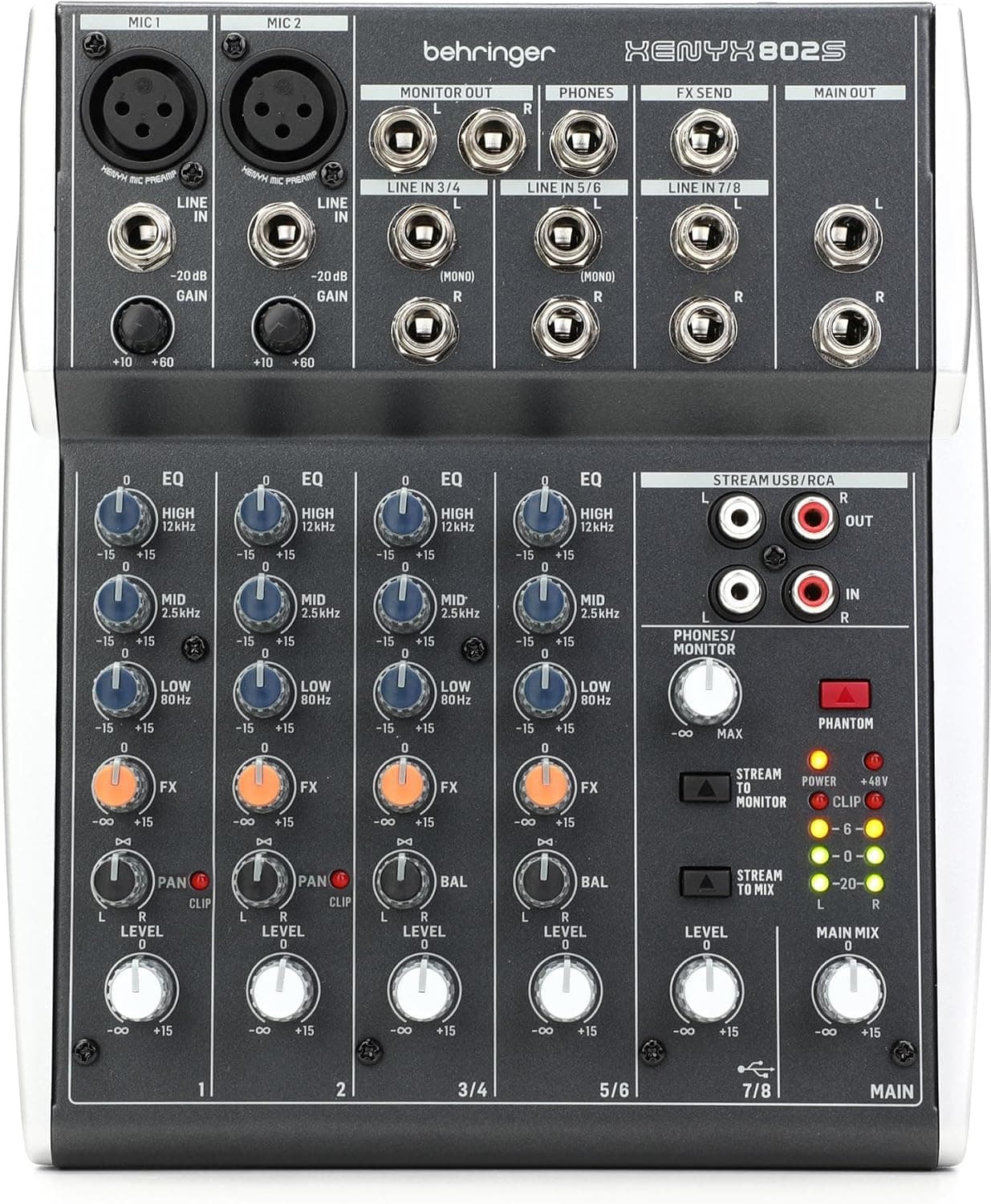
+ 8-channel design handles mics, instruments and computer audio together
From our guide: Best USB Mixers
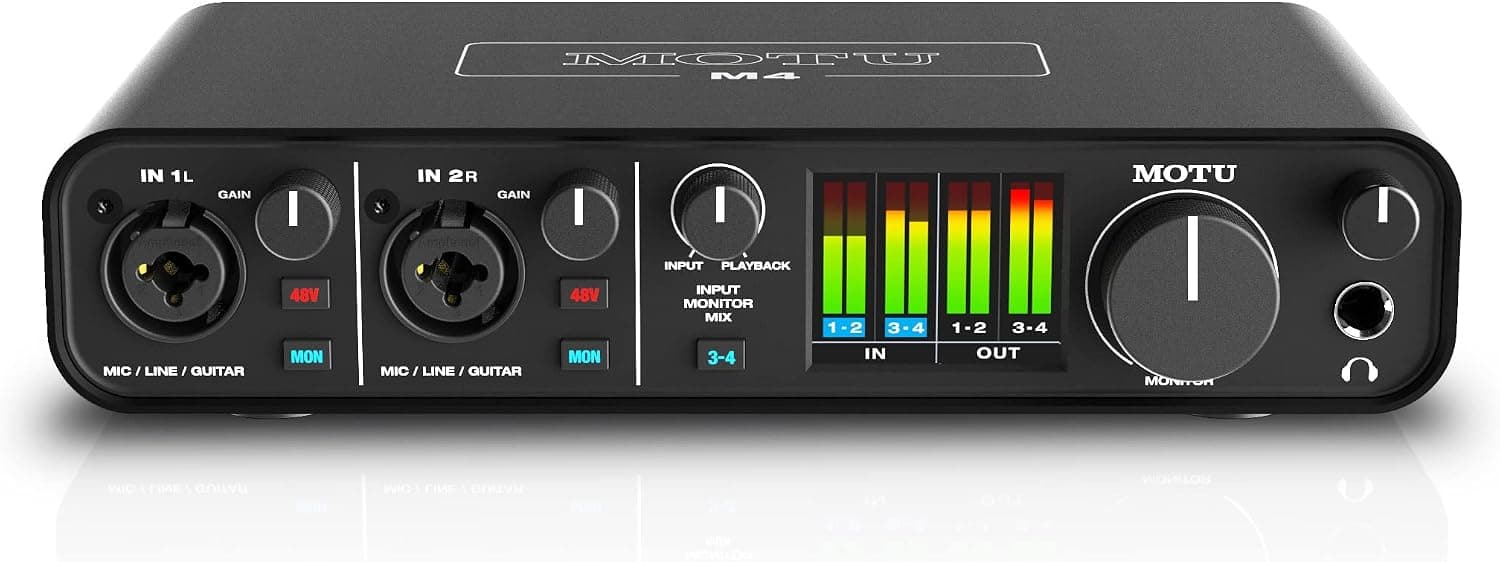
+ Large level meters make it easy to spot clipping during recording
From our guide: Best 4 Channel Audio Interfaces
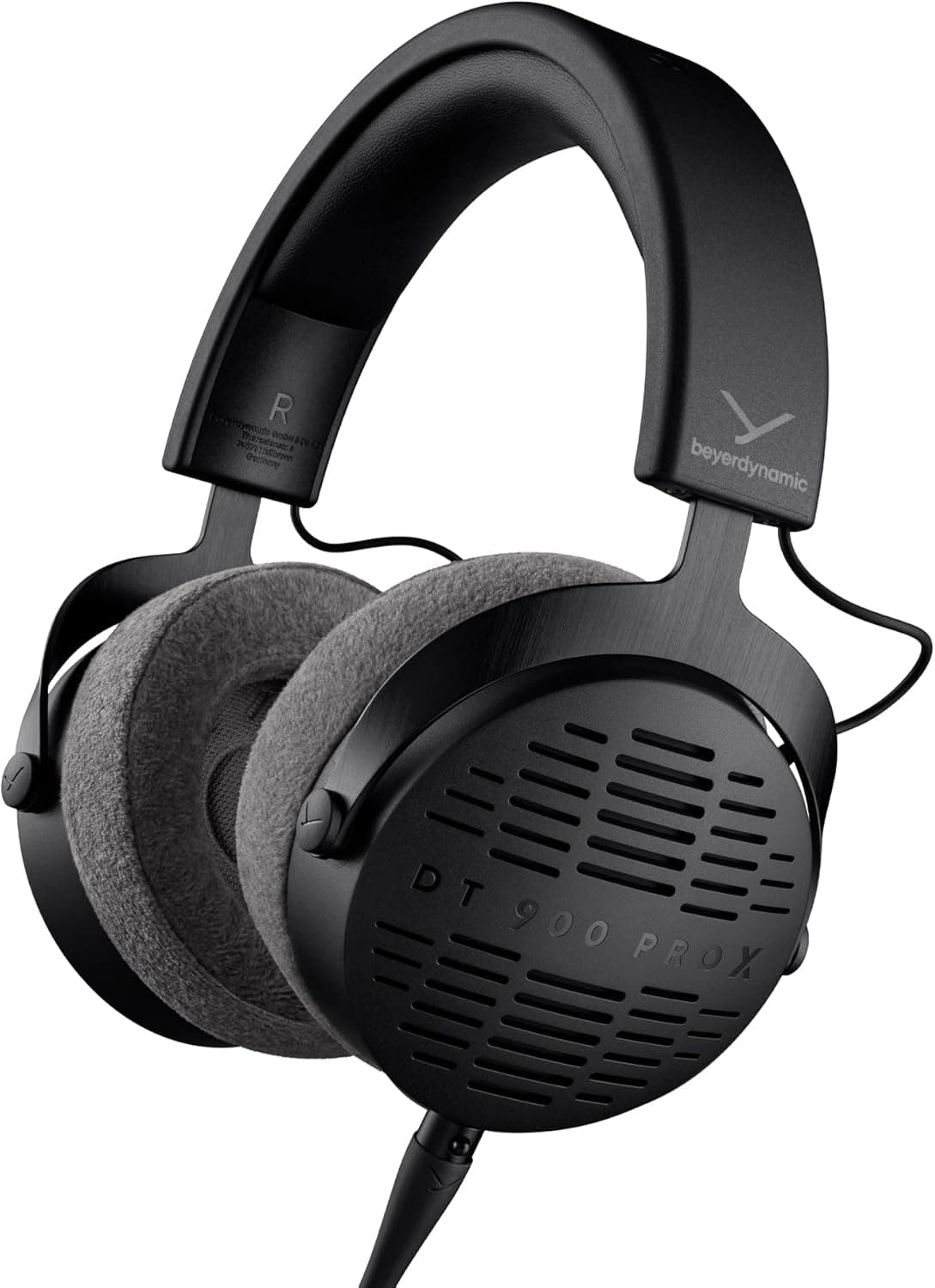
+ Open-back design gives a natural, spacious sound for mixing decisions
From our guide: Best Studio Headphones
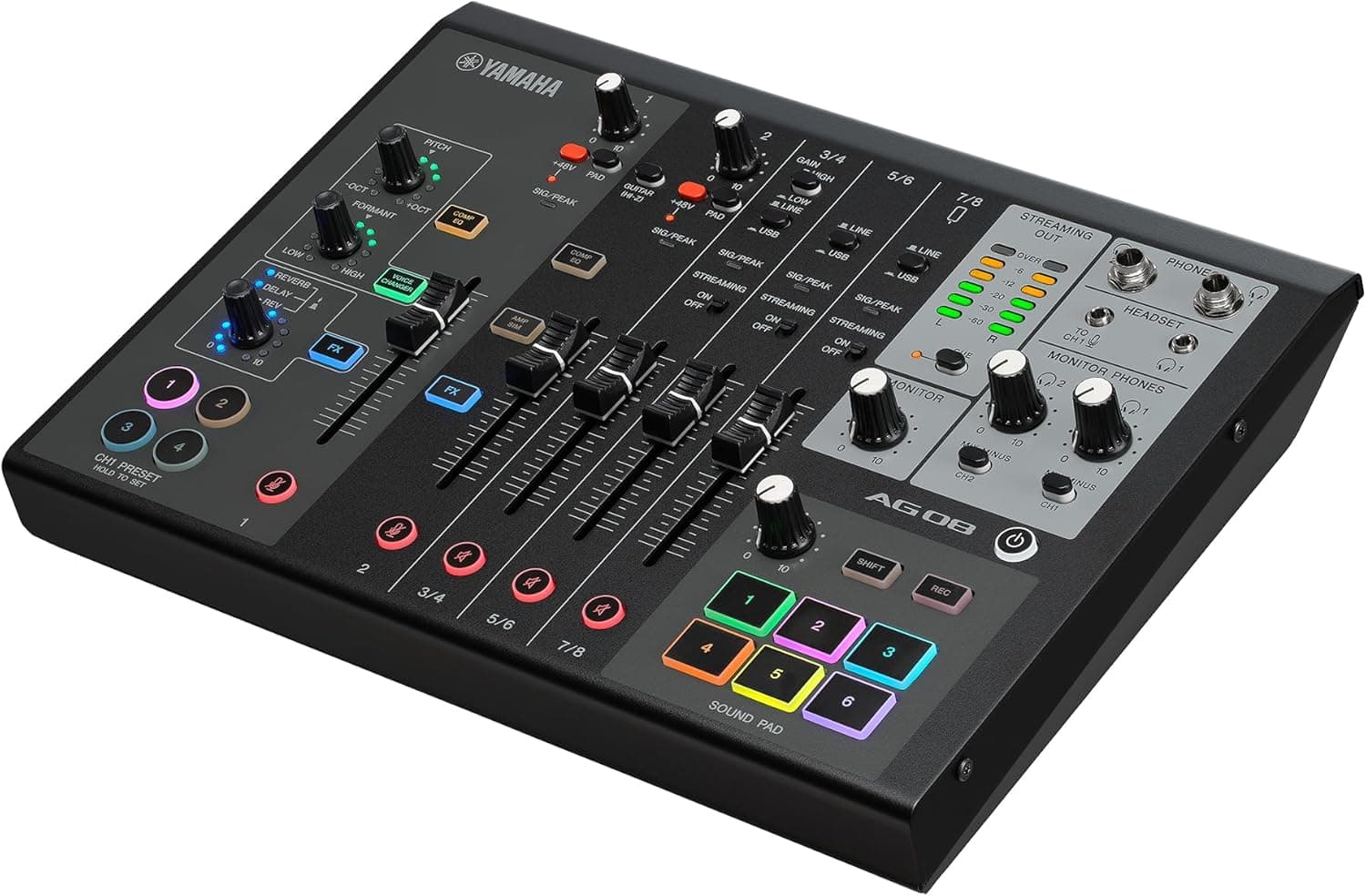
+ Loopback mixing blends mic, game and music for live streams easily
From our guide: Best USB Mixers
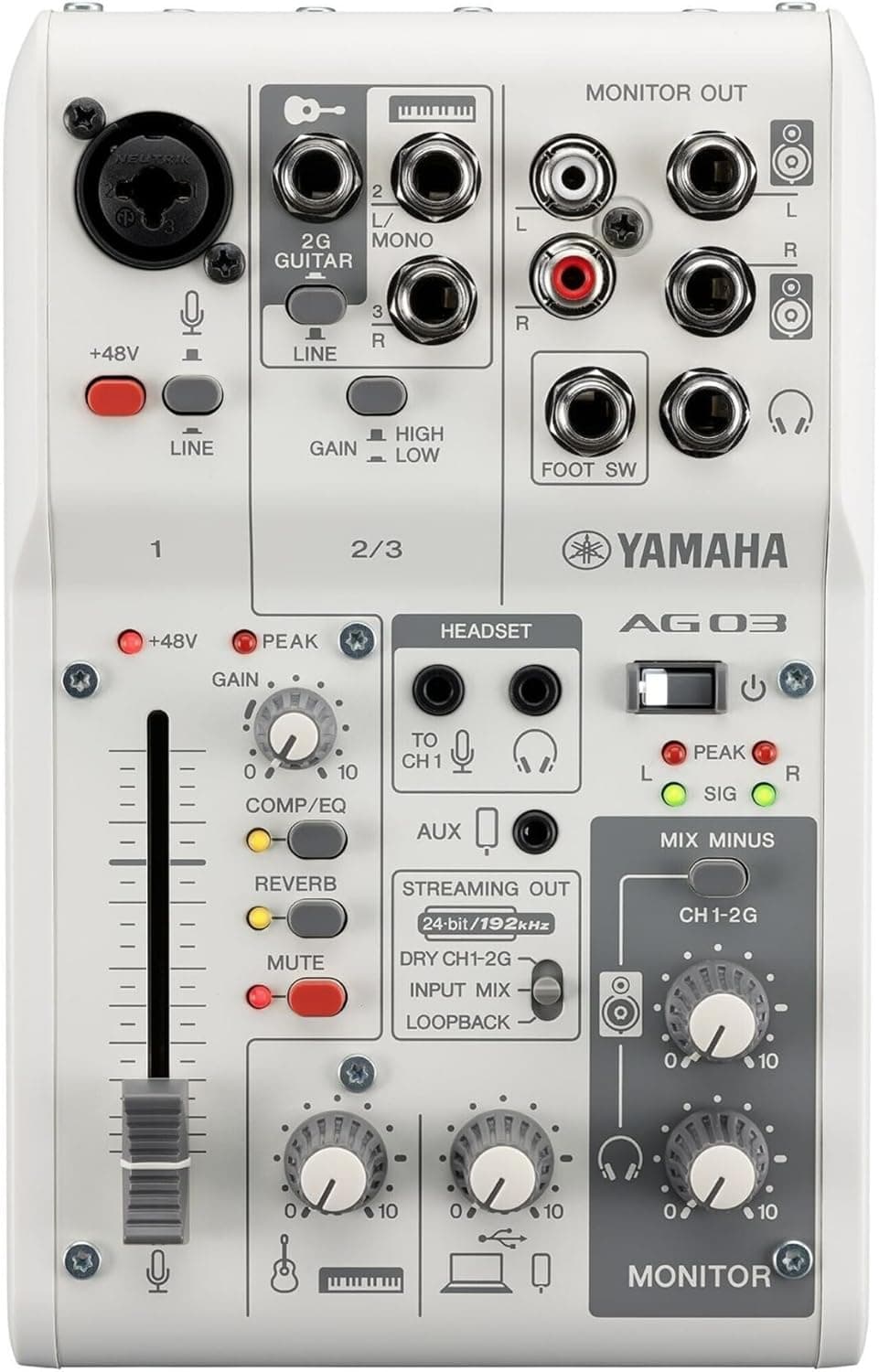
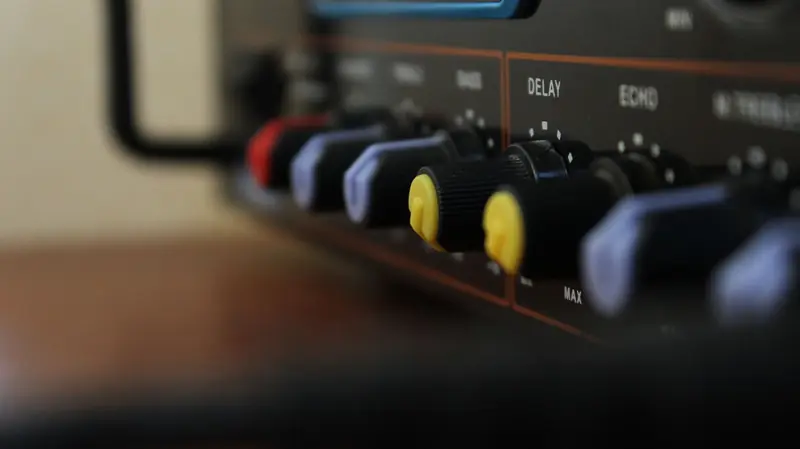
Too quiet vs too loud: they fail differently
The first thing to understand is the difference between a signal that is too quiet and one that is too loud, because they fail in opposite and unequal ways. A recording that is too quiet can be turned up later, but turning it up also raises the noise floor, the constant hiss and hum underneath your voice, so a very quiet recording sounds noisy once boosted. A recording that is too loud clips, meaning the loudest peaks slam into the ceiling and get chopped off, producing a harsh crackling distortion that is permanent and unfixable. Clipping is the worse failure, so you aim for strong but safe.
The practical target and why headroom matters
The practical target most podcasters use is to set input gain so that normal speaking peaks land somewhere around minus twelve to minus six on your meter, leaving comfortable headroom above. Headroom is the empty space between your loudest normal peak and the absolute maximum, and it exists to absorb surprises. When you laugh, raise your voice, or emphasize a word, that sudden jump needs somewhere to go. If you record with your normal voice already near the top, those peaks clip. Leaving headroom means the loud moments stay clean.
Set gain at the source, at your real volume
Gain is best set at the source, on your interface or mixer, before the signal reaches your software. This is where the analog signal is converted to digital, and getting a healthy level here means the conversion captures detail cleanly. Turn the gain knob while speaking at your normal, and importantly your loudest, performance volume, not a timid test voice. People almost always get louder once they relax into recording, so set your levels against how you will actually sound, then give yourself that extra margin for the excited moments.
Do not chase loudness while recording
A common trap is chasing loudness at the recording stage, thinking a hotter signal sounds more professional. It does not. Loudness is a job for the editing and mastering stage, where you can raise the overall level, even out the dynamics, and hit a target loudness standard with tools designed for it. Trying to record loud only robs you of headroom and risks clipping for no benefit. Record clean and conservative, then make it loud later where you have precise control and can undo mistakes.
Watch your levels actively, not just once
Finally, watch your levels actively rather than setting them once and forgetting. Keep a meter visible while you record and glance at it, especially after moments of high energy. If you see peaks kissing the top, pull the gain down a touch between takes. Multi-track recordings make this even more forgiving, because each voice sits on its own track with its own level to adjust in editing. Good gain staging is not about perfection in the moment, it is about giving yourself clean, safe, well-behaved recordings that are a pleasure rather than a battle to edit.
Frequently asked questions
What level should my podcast recording peak at? Roughly -12 to -6 on your meter for normal speaking peaks, leaving headroom above for laughs, emphasis, or getting louder once you relax into recording.
Is it better to record too quiet or too loud? Too quiet, if you must choose. A quiet recording can be boosted later (at the cost of more noise), while clipping from recording too loud is permanent, harsh distortion that cannot be fixed.
Where should I set gain, on the interface or in software? At the source, on your interface or mixer, before the signal reaches your recording software, so the analog-to-digital conversion captures a clean, healthy level.
Should I record my podcast as loud as possible? No. Loudness is a job for editing and mastering, where you have precise tools and can undo mistakes. Recording hot only risks clipping for no real benefit.
Popular right now
- Best Microphone Isolation ShieldsBuying guide
- Best Acoustic DiffusersBuying guide
- Best XLR MicrophonesBuying guide
- Best LED Video LightsBuying guide
- Best Digital RecordersBuying guide
- Best Ring LightsBuying guide
Based on the last 28 days of search and visitor data.