Dynamic vs Condenser Microphones
Published How we research
Dynamic microphones are less sensitive and reject background noise, echo, and room chatter, making them the safer choice for untreated home rooms and the standard for podcasters and radio. Condenser microphones are highly sensitive, capturing a detailed, airy sound perfect for treated, quiet spaces, but they hear everything including your keyboard and computer fan. Condensers need phantom power; most dynamics need none. For most real-world rooms, start with a dynamic mic. Choosing between a dynamic and a condenser microphone is one of the most consequential gear decisions you will make, and it trips up a lot of newcomers. Both types can sound excellent, but they behave very differently, and the wrong choice for your space can leave you fighting your recordings forever. Understanding how each works, and matching that to your room and your goals, will save you money, frustration, and a lot of editing time down the road.
Products from this article
The highest-scoring picks from the buying guides this article links to. Scores are our editorial assessment, not customer ratings.
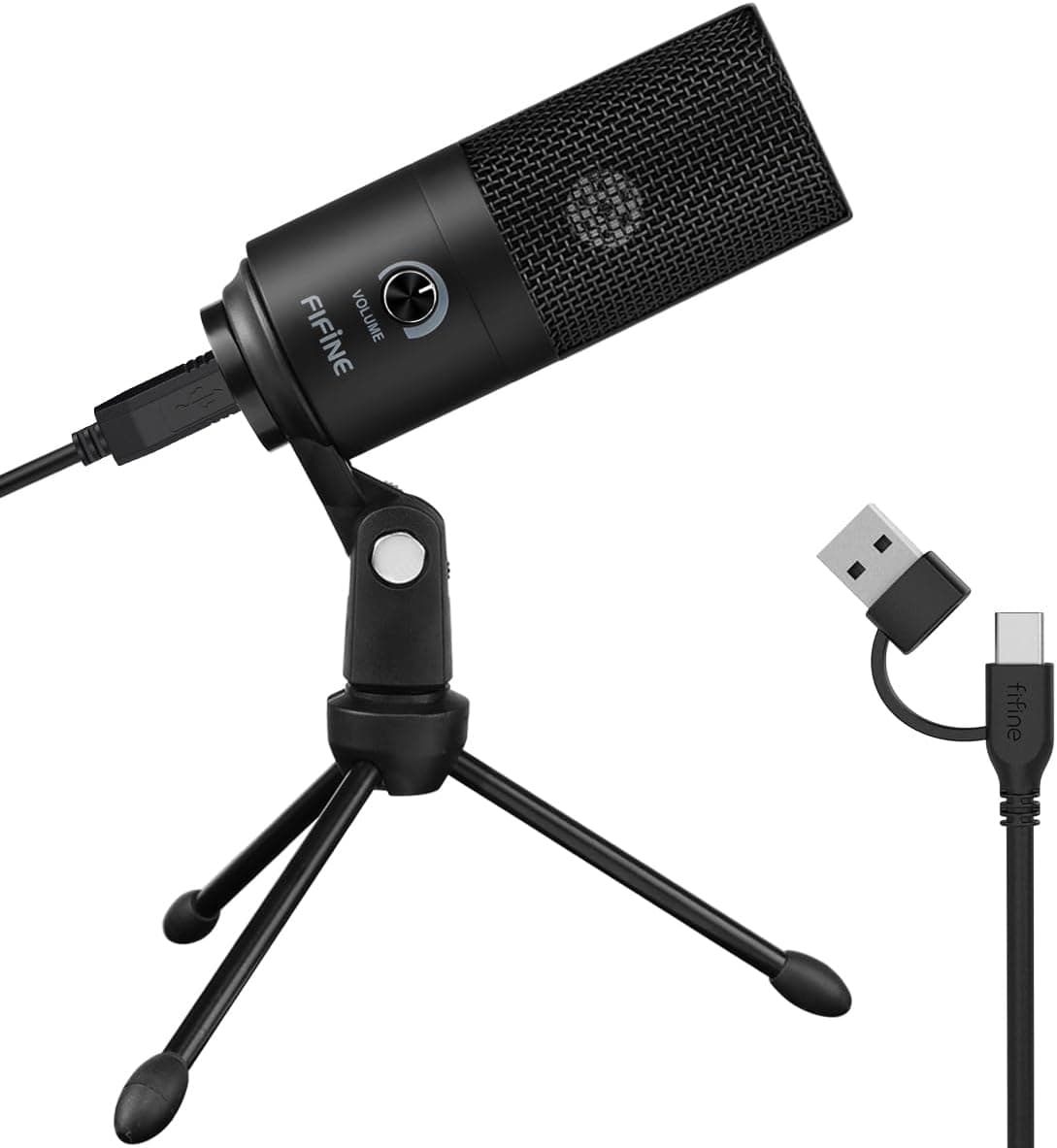
+ Metal body feels sturdier than most plastic mics in this low price bracket
From our guide: Best Budget Microphones
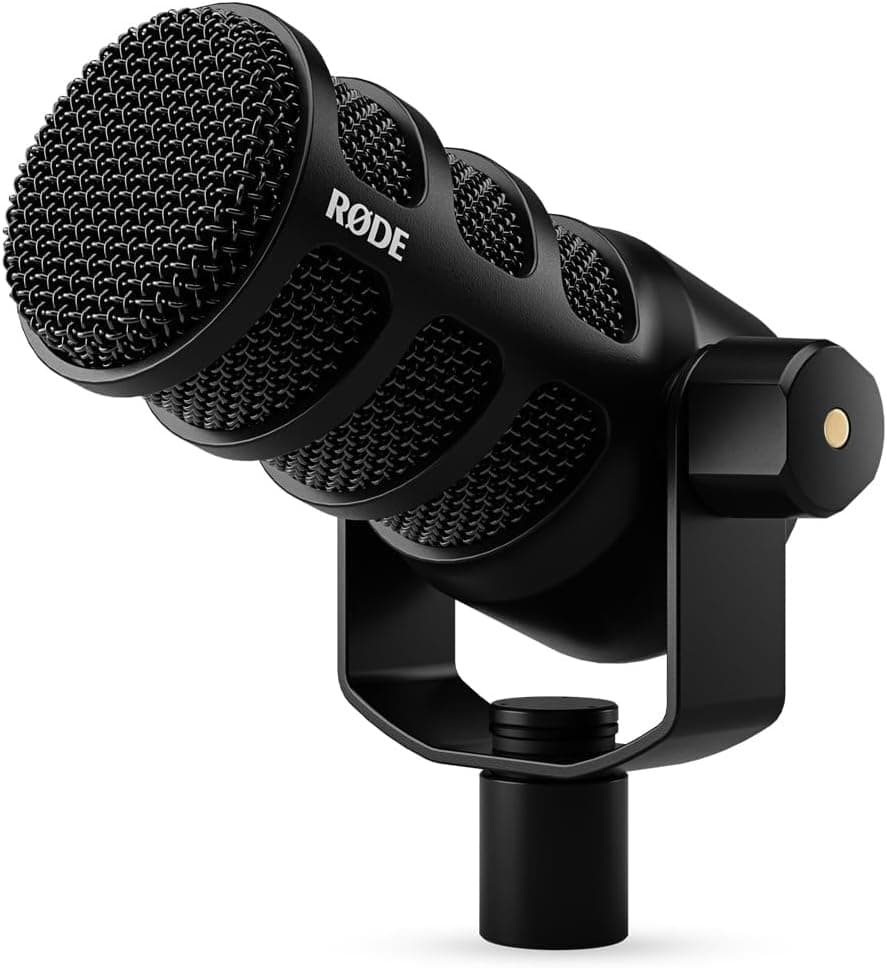
+ USB and XLR outputs cover solo laptop recording and multi-mic interface setups
From our guide: Best Dynamic Microphones
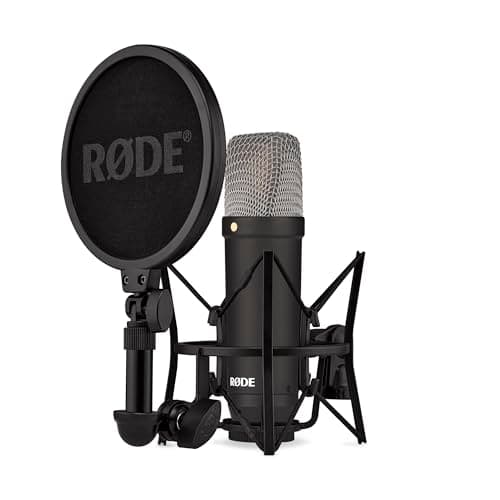
+ Arrives as a complete vocal kit: SM6 shock mount with pop filter, XLR cable and dust cover are all in the box.
From our guide: Best Condenser Microphones
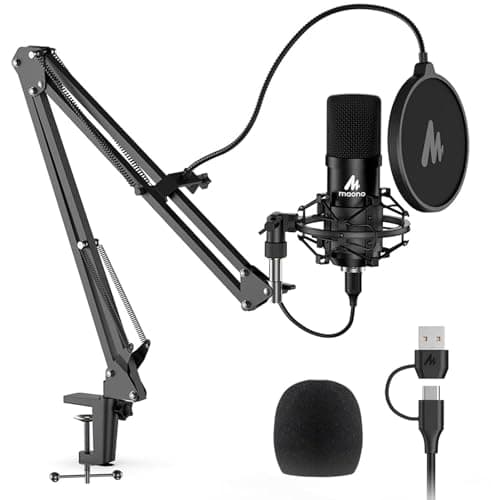
+ Kit includes a scissor arm stand with base, metal shock mount, pop filter and foam windscreen
From our guide: Best Budget Microphones
Dynamic microphones: the workhorses of spoken-word audio
Dynamic microphones are the workhorses of spoken-word audio. They use a simple, rugged design that makes them less sensitive to sound, which sounds like a drawback but is actually their superpower for most creators. Because a dynamic mic picks up mainly what is directly in front of it and ignores much of the surrounding room, it naturally rejects background noise, echo, and ambient chatter. This is exactly why radio hosts and countless podcasters rely on them, especially in rooms that have not been acoustically treated.
Condenser microphones: sensitive and detailed
Condenser microphones take the opposite approach. They are highly sensitive and capture a wide, detailed, airy sound with lots of nuance and high-frequency sparkle. That sensitivity makes them wonderful for capturing the full richness of a voice, singing, or acoustic instruments in a controlled environment. The catch is that they hear everything, including your keyboard, your neighbor's dog, the hum of your computer, and every reflection off your walls. In an untreated room, that detail quickly becomes a liability.
The practical deciding factor: your room
The practical deciding factor for most people is the room. If you record in a normal home environment with hard surfaces, background sound, and no acoustic treatment, a dynamic microphone is almost always the smarter choice because it forgives your space. If you have a quiet, treated room and you want to capture the most detailed, professional-sounding voice possible, a condenser will reward you with a beautiful, open sound that a dynamic mic cannot quite match.
A few other differences worth knowing
There are a few other differences worth knowing. Condenser microphones require power to operate, usually supplied as phantom power from an interface or mixer, while most dynamic mics need no power at all. Condensers also tend to output a stronger signal, whereas some dynamic mics are quieter and benefit from a clean, powerful preamp to sound their best. These are not dealbreakers, but they affect what supporting gear you will need.
So which should you use?
So which should you use? For the majority of podcasters, streamers, and creators recording in real-world rooms, a good dynamic microphone is the safe, forgiving, and professional choice that keeps your audio clean without demanding a perfect space. If you have invested in acoustic treatment and want maximum richness for voice work or music, a condenser will shine. Many creators eventually own both and reach for whichever suits the task. When in doubt, start with a dynamic mic, master your technique, and let your space and ambitions guide any future upgrade.
Frequently asked questions
Should podcasters use a dynamic or condenser microphone? A dynamic microphone for most home setups, since it rejects background noise and forgives an untreated room. A condenser rewards a quiet, acoustically treated space with more detail.
Why does my condenser microphone pick up so much noise? Condensers are highly sensitive and capture the whole room, including keyboards, computer fans, and wall reflections, which is fine in a treated room but a liability in an untreated one.
Do condenser microphones need power? Yes, usually phantom power supplied by an audio interface or mixer. Most dynamic microphones need no power at all.
Can I use both a dynamic and condenser microphone? Yes. Many creators own both and choose whichever suits the task: dynamic for everyday untreated-room recording, condenser for treated-room voice or instrument work.
At a glance: Dynamic vs Condenser
| Dynamic | Condenser | |
|---|---|---|
| Sensitivity | Lower, needs more gain | High |
| Room sound | Picks up less echo and noise | Picks up much more |
| Detail | Warm, focused | Crisp, detailed |
| Power | None | Phantom power for XLR models |
| Mic technique | Speak close to the mic | More forgiving of distance |
| Best room | Untreated home rooms | Treated or quiet rooms |
Choose Dynamic if
- Your room echoes or has background noise
- You record multiple people in one room
- You want a forgiving setup
Choose Condenser if
- Your room is treated and quiet
- You want airy, detailed voice
- You also record acoustic instruments
Bottom line: For most home podcasters a dynamic mic sounds better because it hides the room. A condenser pays off only in a quiet, treated space.
Popular right now
- Best Microphone Isolation ShieldsBuying guide
- Best Acoustic DiffusersBuying guide
- Best XLR MicrophonesBuying guide
- Gain Staging BasicsArticle
- Best LED Video LightsBuying guide
- Best Digital RecordersBuying guide
Based on the last 28 days of search and visitor data.