How to Batch Record Podcast Episodes Before a Holiday Break
Published How we research
Consistency matters for podcast growth, but the end of the year brings travel, family events and time off. Batch recording several episodes during autumn lets the show keep publishing while you take a break. It works best with a clear content plan, a reliable recording setup and a workflow that keeps many sessions organised.
Products from this article
The highest-scoring picks from the buying guides this article links to. Scores are our editorial assessment, not customer ratings.
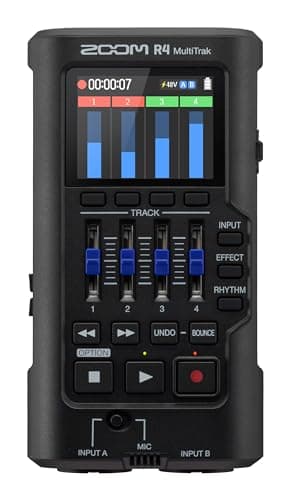
+ 32-Bit Float captures sudden laughs and shouts without clipping
From our guide: Best Portable Recorders
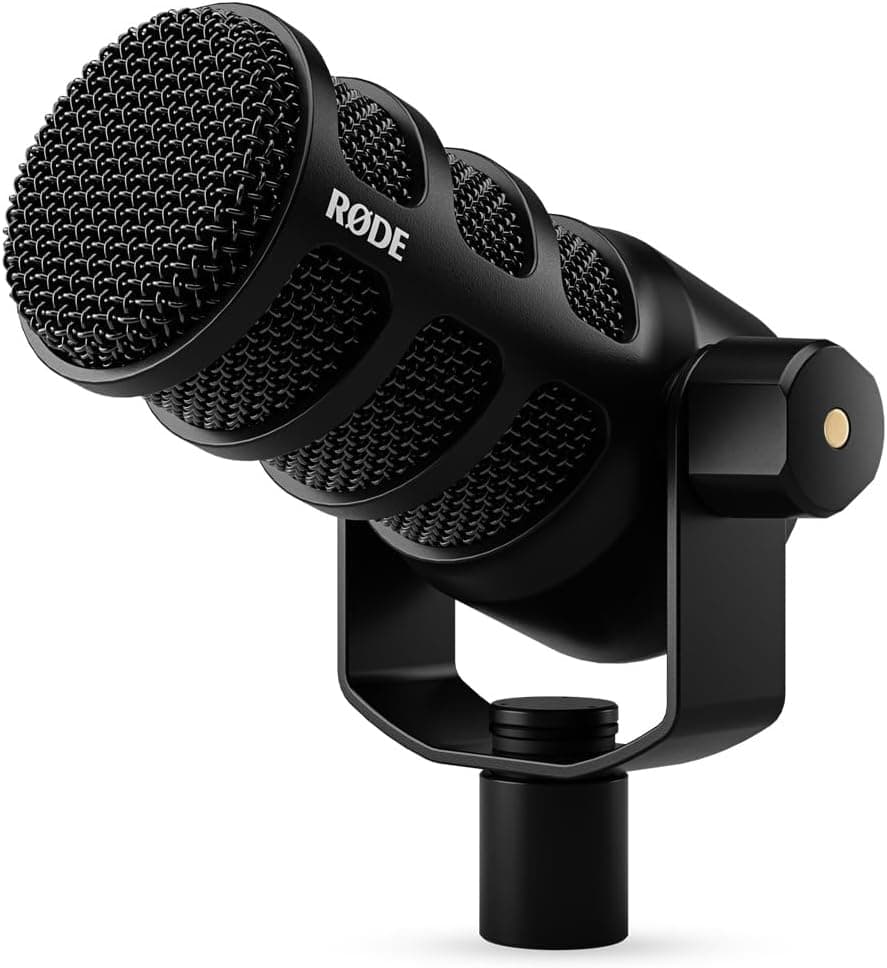
+ USB and XLR outputs cover solo laptop recording and multi-mic interface setups
From our guide: Best Podcast Microphones
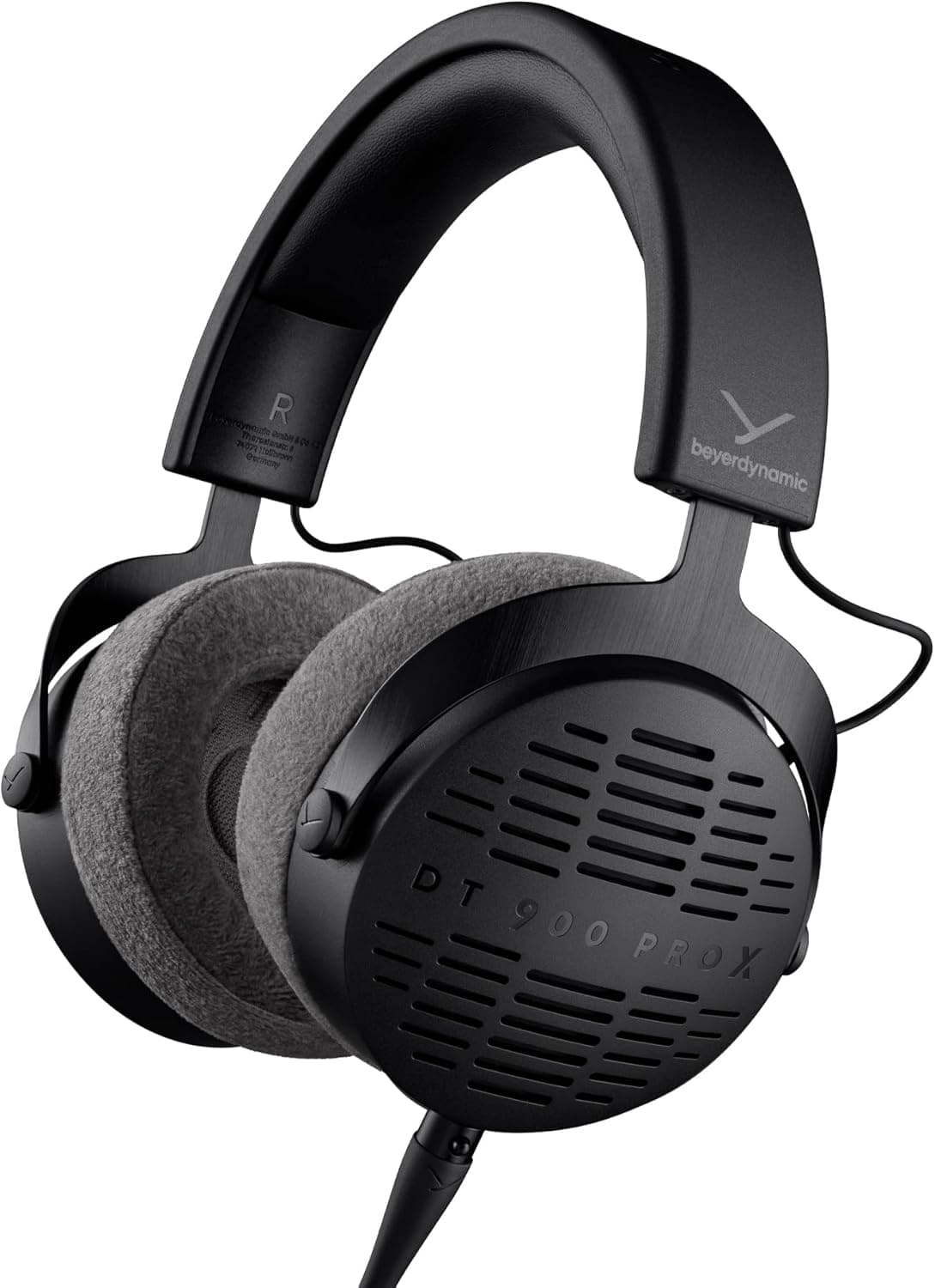
+ Open-back design gives a natural, spacious sound for mixing decisions
From our guide: Best Studio Headphones
+ 32-Bit Float recording forgives mistakes with gain in unpredictable rooms
From our guide: Best Portable Recorders



Plan episodes in advance
Count the weeks you want covered and decide how many episodes you need, adding one or two extras as a buffer. Plan topics that will still be relevant when they publish, avoiding news that may go out of date quickly.
Evergreen interviews, listener questions, year-in-review discussions and seasonal themes work well for holiday periods. Write outlines for each episode before recording day so sessions run smoothly.
Book guests early
Guests become harder to schedule as the holidays approach. Contact them several weeks ahead and offer multiple time slots, and confirm recording details, links and technical requirements in writing.
Ask remote guests to test their microphone and headphones before the session, and send a short checklist for a quiet room and wired internet if possible.
Prepare your recording setup
Batch recording days are long, so check everything before starting: microphone placement, gain settings, headphone monitoring and free storage space. Record a short test and listen back.
Use a portable recorder or local recordings from each participant as a backup during important interviews. Keep water, a comfortable chair and breaks between sessions to keep your voice fresh.
Stay organised during editing
Name files consistently with the episode number, date and guest, and save them in a separate folder for each episode. Create show notes, titles and timestamps while the conversation is fresh.
Edit and master all episodes to the same loudness target, and prepare artwork and descriptions together. Batch editing is faster when you use templates for intros, outros and processing settings.
Schedule and promote
Upload episodes to your hosting platform and schedule publication dates in advance. Double-check time zones and make sure episodes are not accidentally set to publish at once.
Prepare social media clips, audiograms and newsletter blurbs while you are still in production mode, and schedule them too. Then set a reminder to check that each episode publishes correctly during your break.
Popular right now
- Best Microphone Isolation ShieldsBuying guide
- Best Acoustic DiffusersBuying guide
- Best XLR MicrophonesBuying guide
- Gain Staging BasicsArticle
- Best LED Video LightsBuying guide
- Best Digital RecordersBuying guide
Based on the last 28 days of search and visitor data.