Mic Technique for Beginners
Published How we research
Microphone technique is the cheapest upgrade in podcasting, because it costs nothing and improves every recording you make from that moment on. The same microphone can sound thin and distant or rich and intimate depending entirely on how you use it. Most of the difference between a beginner recording and a professional one comes down to a handful of habits around distance, angle, and consistency that anyone can learn in an afternoon.
Products from this article
The highest-scoring picks from the buying guides this article links to. Scores are our editorial assessment, not customer ratings.
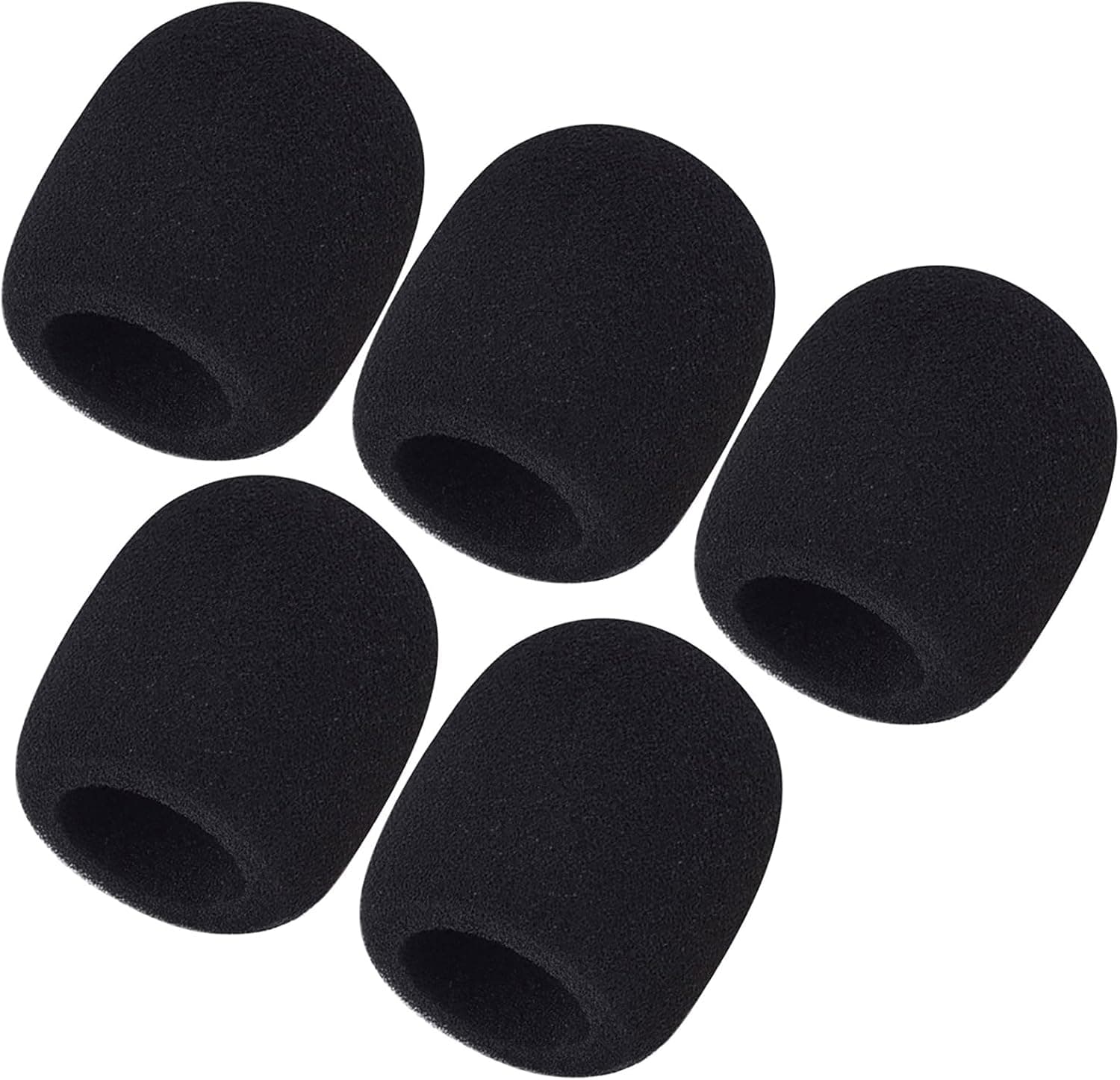
+ Thick foam provides stronger wind and plosive protection
From our guide: Best Microphone Windscreens
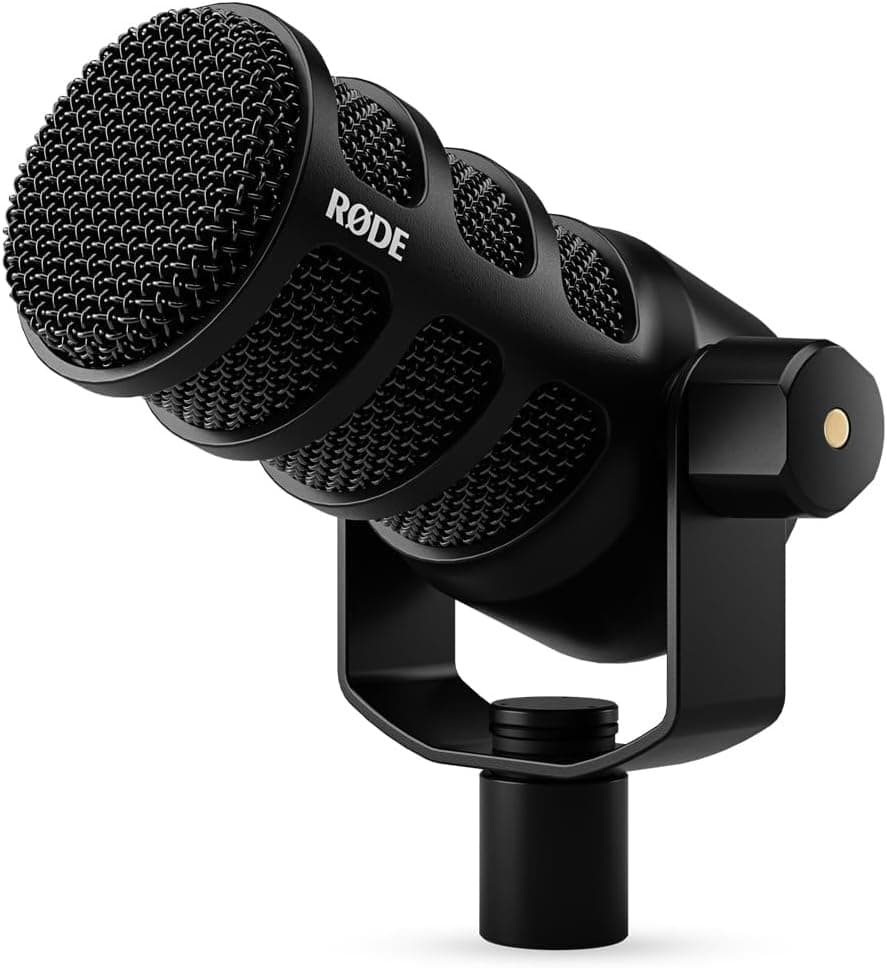
+ USB and XLR outputs cover solo laptop recording and multi-mic interface setups
From our guide: Best Podcast Microphones
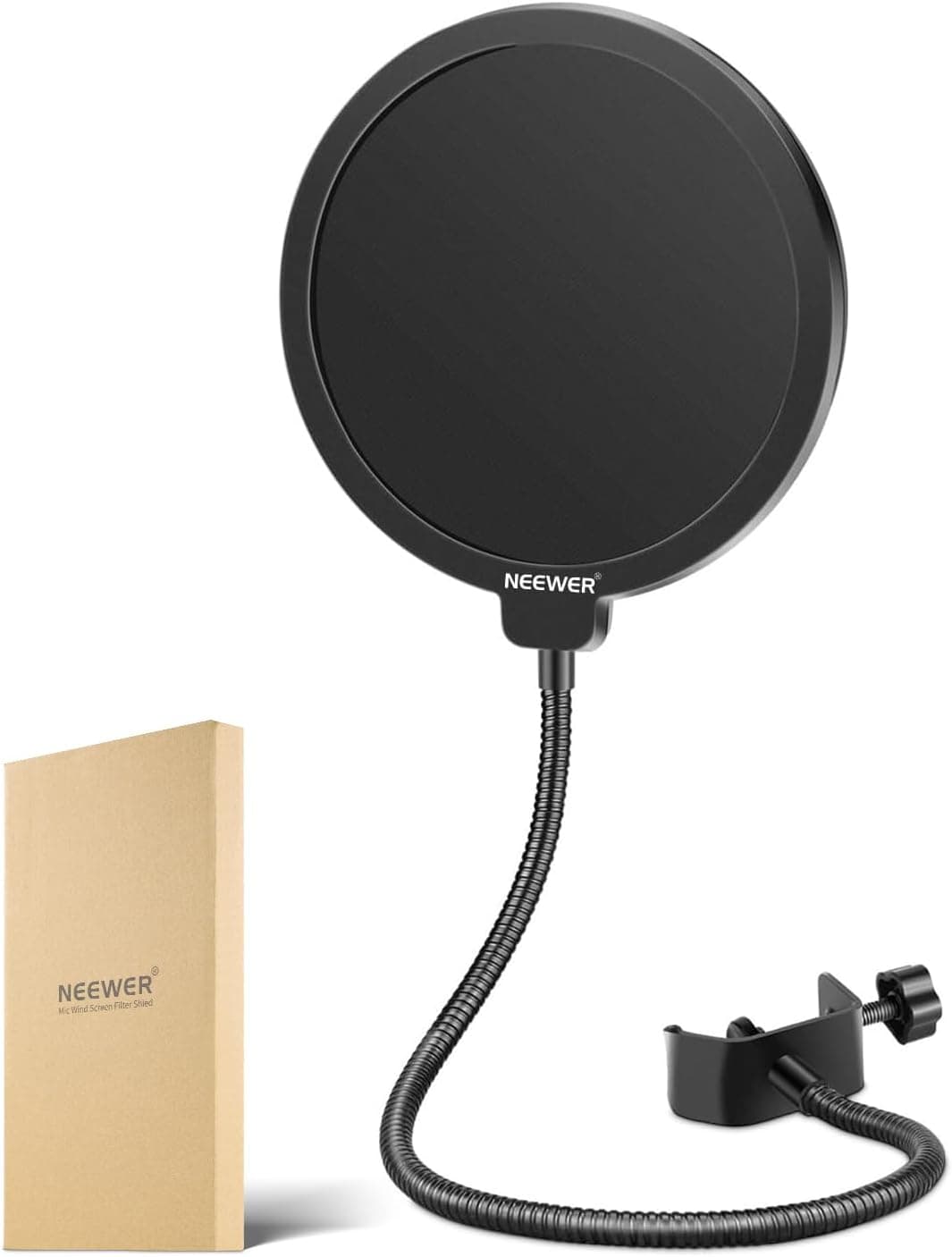
+ Dual layered shield reduces plosives from even forceful speakers
From our guide: Best Pop Filters
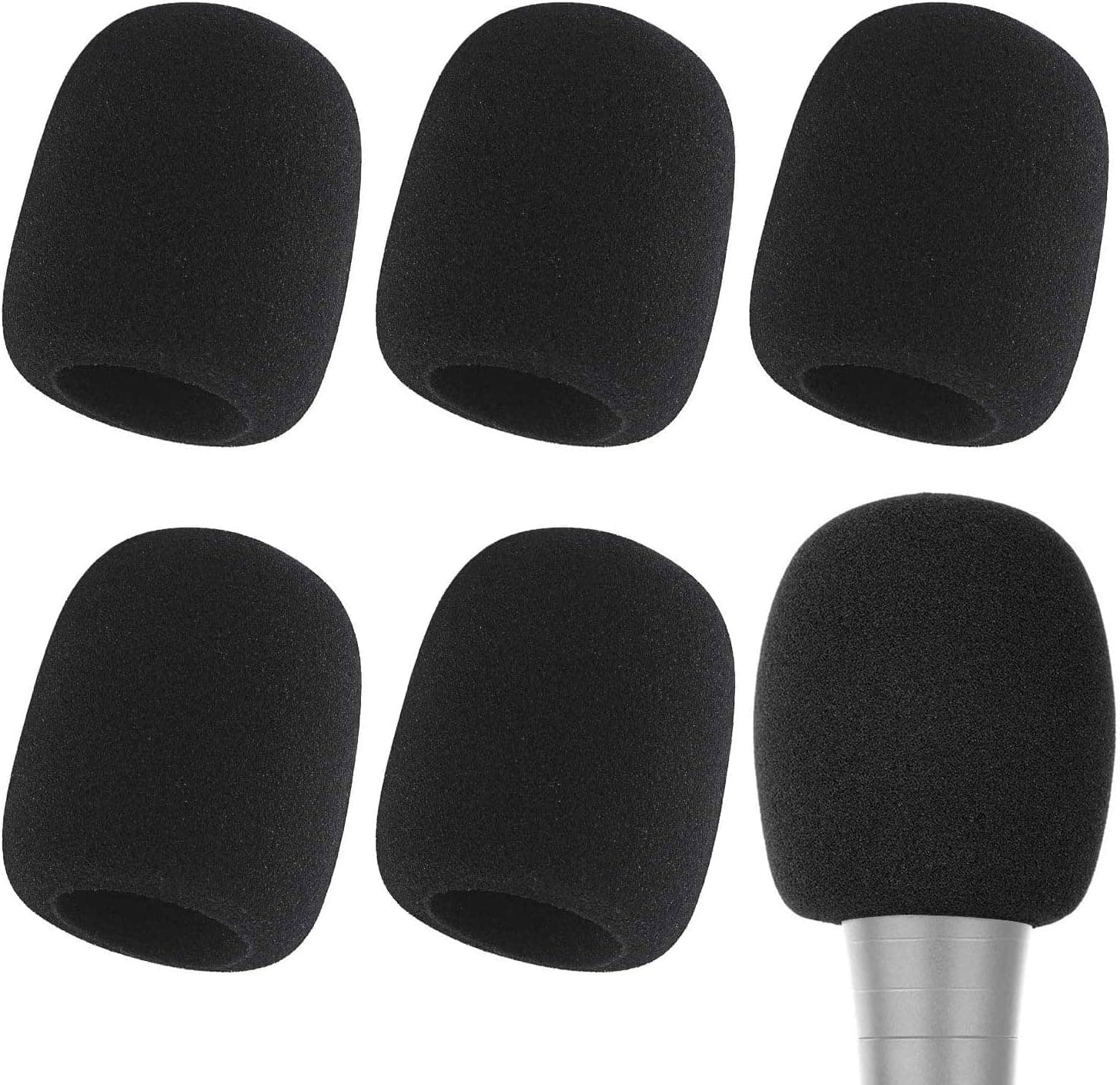
+ 5 Pack gives each guest a fresh cover for hygiene between recordings
From our guide: Best Microphone Windscreens
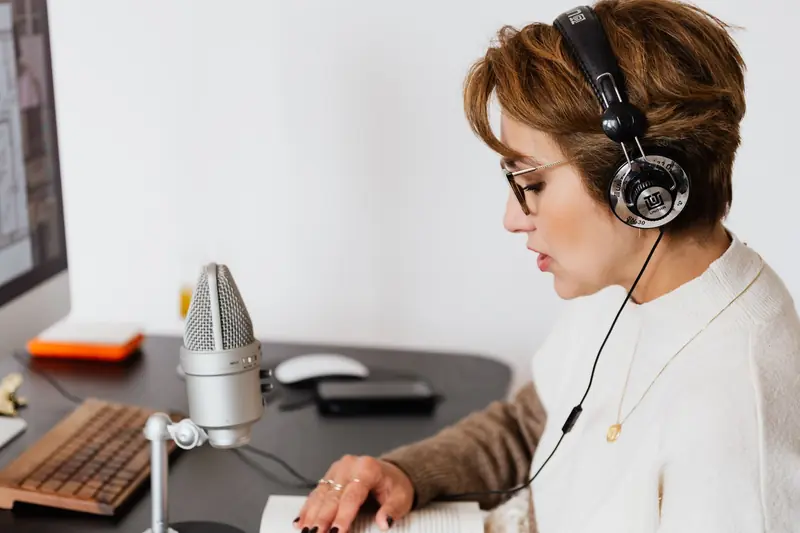
Distance is the single most important factor. The general starting point for most podcasting microphones is roughly a hand span away, around fifteen to twenty centimeters from your mouth. Too far, and you pull in more room reflection and background noise while your voice loses its body and warmth. Too close, and you may overload the mic and exaggerate the bass in your voice through what is called the proximity effect. Find a comfortable distance that gives a close, full sound, then hold it steady, because a moving distance makes your volume rise and fall unnaturally.
Angle protects you from plosives, the bursts of air on P and B sounds that hit the microphone as a thump. Instead of speaking straight into the front of the mic, position it slightly off-axis, angled so you speak just past it rather than directly at the capsule. This lets the punch of air pass by the diaphragm rather than slamming into it. A pop filter, the mesh screen you place between your mouth and the mic, catches much of the remaining air blast and is one of the most worthwhile inexpensive accessories you can own.
Understanding your microphone's pickup pattern helps you stay in its sweet spot. Most podcasting mics are cardioid, meaning they are most sensitive to sound arriving from the front and reject sound from the sides and rear. Speak into the correct side, which on many side-address microphones is the face with the logo, not the top. Talking into the wrong side of a side-address mic is a surprisingly common mistake that leaves recordings sounding dull and off, and it is instantly fixed once you know to check.
Consistency across a session is what separates recordings that are easy to edit from ones that fight you. If you lean in for quiet moments and pull back when you laugh, your levels swing wildly and every edit point becomes a volume jump. Try to keep your mouth in the same position relative to the mic throughout, using a boom arm so the mic stays put rather than a desk stand you might knock. Mark a comfortable posture and return to it. Your future editing self will thank you for the steady, predictable levels.
Finally, mind the sounds you make between words. Chair creaks, desk bumps, page rustles, and heavy breaths all get captured when you are close to a sensitive mic. Sit still, keep water within reach to avoid dry-mouth clicks, and take breaths deliberately rather than gasping. None of this requires talent, only awareness. Record a test, listen critically on headphones for plosives, level swings, and stray noises, and adjust. Within a few sessions these habits become automatic, and you will sound like you own gear worth far more than you actually spent.
Popular right now
- Best Microphone Isolation ShieldsBuying guide
- Best Acoustic DiffusersBuying guide
- Best XLR MicrophonesBuying guide
- Gain Staging BasicsArticle
- Best LED Video LightsBuying guide
- Best Digital RecordersBuying guide
Based on the last 28 days of search and visitor data.