Acoustic Foam Bass Trap Studio Corner Wall 12" x 6" x 6" (4 Pack) Made in USA, Charcoal Review (2026)
Updated September 21, 2026 · Research-based review
Our verdict
A starter acoustic treatment for a podcaster tightening up a small home studio corner by corner rather than overhauling the whole room. The made-in-USA foam and multi-corner pack are the strength, and the modest 12 by 6 by 6 inch size limits how much deep bass buildup it can absorb.
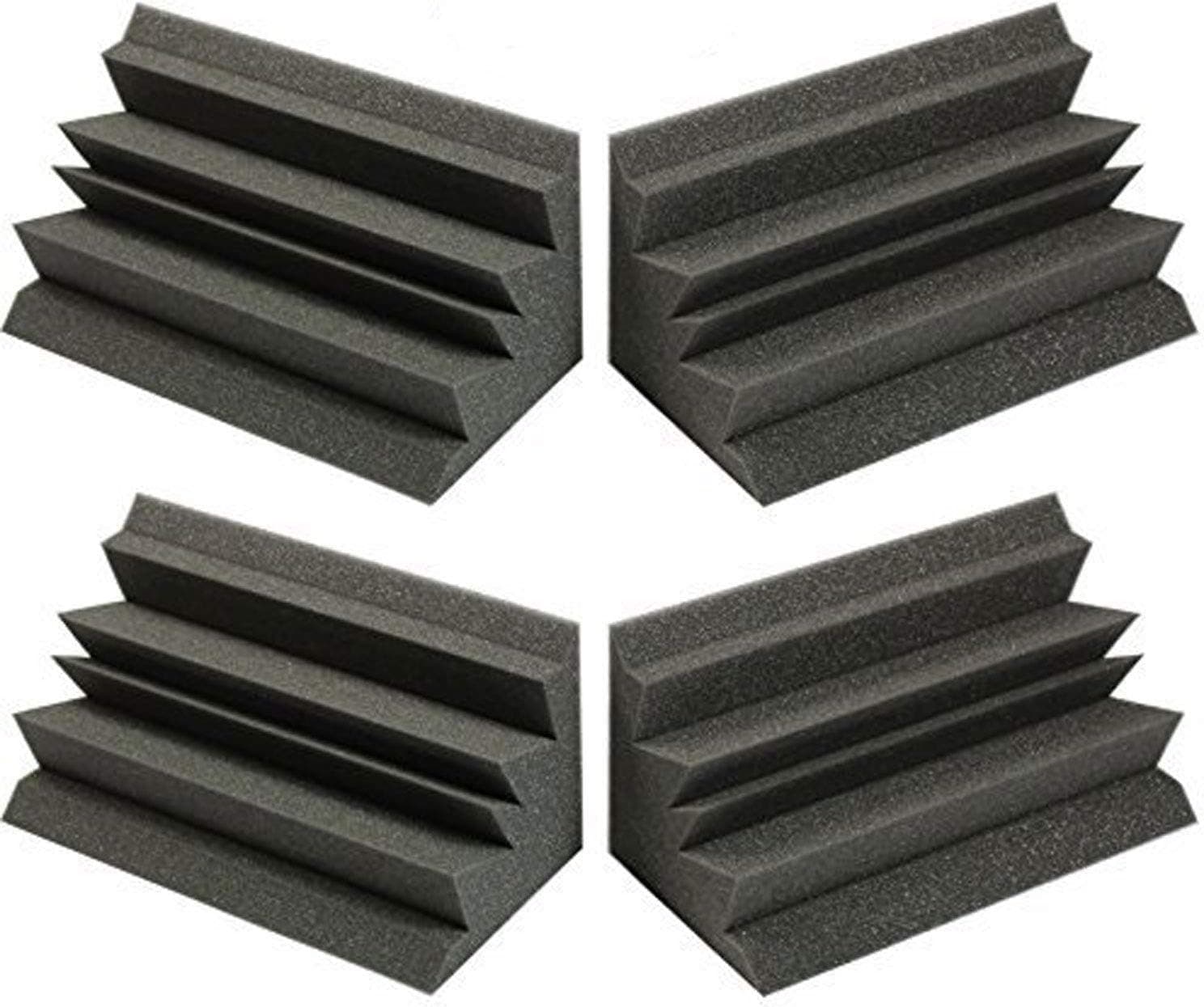
A 4 pack of charcoal 12" x 6" x 6" acoustic foam corner bass traps, made in USA for studio corner treatment.
Price range: See on Amazon
What we liked
- + Made in USA foam gives confidence in material consistency
- + Corner shape targets bass buildup where walls meet
- + 4 Pack treats multiple corners in a small studio
Trade-offs
- - 12" x 6" x 6" size is modest for deep bass problems
- - Covers limited corner height without stacking multiple units
Who this is for
These foam bass traps suit a podcaster setting up a small home recording space who wants to reduce boomy, muddy low-end buildup in room corners without a full acoustic renovation. The 4 pack format is enough to treat several corners of a modest bedroom or closet studio, which is where bass tends to pile up the most. Anyone recording in a larger dedicated studio room, or dealing with significant bass problems from hard floors and high ceilings, will likely need deeper or taller foam, or professional bass trapping, since this product is sized for light, corner-level treatment rather than heavy acoustic correction.
Material and construction
The traps are made from acoustic foam shaped to fit into room corners, sold in a charcoal color and manufactured in the USA, which gives some assurance around consistent foam density and cell structure compared with unlabeled imports. Corner placement is a deliberate design choice, since bass frequencies tend to build up where two or three room boundaries meet, and a wedge-shaped foam trap seated in that corner intercepts more of that low-frequency energy than flat foam panels mounted on an open wall. The foam itself is lightweight and easy to handle, with no assembly beyond positioning each piece in a corner.
Coverage and limitations
At 12 inches by 6 inches by 6 inches, each trap is on the smaller end for bass trapping foam, and buyers should set expectations accordingly: this product will take the edge off some low-frequency buildup and echo in a small room, but it will not perform like a set of larger 12 by 12 by 24 inch traps built for serious bass problems. The 4 pack covers multiple corners, but each corner only gets partial height coverage from a single 6 inch tall piece, so a podcaster dealing with pronounced boominess may need to stack two traps per corner or step up to a taller product for full coverage.
How it fits into a treatment plan
Bass traps address a different problem than the flat acoustic foam panels commonly used on walls behind a microphone, and the two are often used together rather than as substitutes. This product handles the low end in corners, while separate foam panels or panels with an air gap behind them handle midrange and high-frequency reflections closer to the mic position. A podcaster building a home studio on a budget can reasonably start with a set of these corner traps and add wall panels or a reflection filter around the recording position as the next step, rather than trying to solve every acoustic problem with one product.
Value against larger traps
Compared with larger charcoal foam bass traps sized 12 by 12 by 12 inches or bigger, this 12 by 6 by 6 inch 4 pack sits at a lower price point that matches its smaller physical size and correspondingly lighter effect on deep bass. For a podcaster with a genuinely small recording nook and a limited budget, that tradeoff makes sense as a first step into acoustic treatment. Anyone with a dedicated studio room, a home theater setup, or a persistent low-frequency rumble problem will get more consistent results from the larger trap sizes sold alongside this one, even at a higher cost per pack.
Frequently asked questions
How many corners can one 4 pack of these bass traps treat?
The set covers up to 4 corners, though each piece only provides partial height coverage per corner at 6 inches tall.
Will these traps fully eliminate bass buildup in a room?
They reduce corner-level low-frequency buildup but are sized modestly, so persistent bass problems in larger rooms may need taller or larger traps.
Where should acoustic bass traps be placed in a home studio?
They work best wedged into room corners, where low-frequency energy tends to build up the most.
Do these traps replace flat foam wall panels?
No, bass traps target low-frequency corner buildup while flat panels address midrange and high-frequency reflections near the mic, and the two are typically used together.
Prices change often, so check the current price and availability on Amazon.
Check price on AmazonPodcast Gear Hub may earn a commission from the link above.