RODE VideoMicro II Ultra-Compact On-Camera Shotgun Microphone Review (2026)
Updated September 21, 2026 · Research-based review
Our verdict
The RODE VideoMicro II is an ultra-light shotgun microphone built to clip onto a phone, gimbal or small camera without adding noticeable bulk. It fits creators who want a clear voice upgrade over a built-in camera mic with zero setup, though its simple design leaves out onboard gain or filter controls that pricier shotgun mics include.
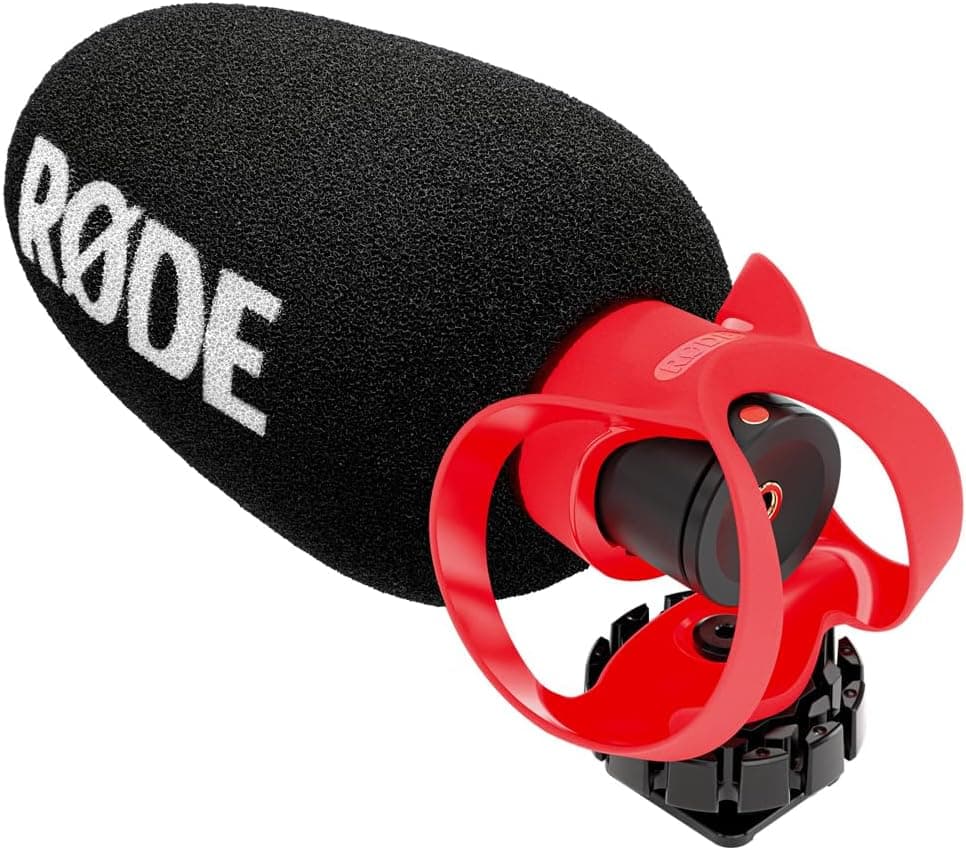
RODE's VideoMicro II is an ultra-compact on-camera shotgun mic, a lightweight upgrade for phones and small cameras.
Price range: See on Amazon
What we liked
- + Ultra-compact size barely adds weight to phones, gimbals and small cameras
- + Directional pickup gives clearer voice than built-in camera microphones
- + Simple setup with no controls suits beginners filming on the go
Trade-offs
- - Tiny capsule is less refined than full-size shotgun microphones
- - No onboard gain or filter controls, so adjustments happen on the camera
Built for size and weight above all else
At just 39 grams with its isolation mount attached and about 80mm long, according to RODE's own specifications, the VideoMicro II is designed to disappear on top of a phone rig, gimbal or small mirrorless camera without throwing off the balance the way a larger shotgun mic can. That low weight is the whole point of this microphone: RODE built it for creators who film on the move and do not want to fight a heavy mic tipping their gimbal or weighing down a phone cage. Anyone coming from a phone's built-in microphone will notice a real jump in clarity and directionality, since a phone mic typically has no ability to reject sound from the sides or rear the way this supercardioid capsule does.
Supercardioid pickup for directional voice capture
RODE lists the VideoMicro II with a supercardioid polar pattern, meaning it is built to focus on sound coming from directly in front of the microphone while reducing pickup from the sides and rear, based on the manufacturer's specifications. For run-and-gun filming, vlogging or on-camera interviews, that directionality helps isolate a speaker's voice from ambient room noise, traffic or wind more effectively than an omnidirectional built-in camera microphone would. It will not match the isolation or tonal depth of a larger, full-size shotgun microphone, since a longer interference tube generally gives sharper directional rejection, but for its size class it delivers a clear step up in focus over unassisted camera audio.
No battery, no onboard controls
This microphone draws power passively from the camera or phone it is plugged into, so there is no battery to charge or replace, and RODE designed it with no gain dial, high-pass filter switch or other onboard controls to adjust, according to the product listing. That simplicity is a real advantage for beginners or anyone who wants to mount it and start filming without learning a menu of settings first. It does mean any adjustments to gain, EQ or filtering have to happen in the connected camera's audio settings or in post-production editing, which limits flexibility compared with shotgun microphones that include their own onboard gain and filter controls for on-the-spot adjustment during a shoot.
What comes in the box
RODE includes a deluxe foam windshield and a furry windshield for outdoor or windy use, along with a 3.5mm TRS to TRS cable for cameras and a separate TRS to TRRS cable for smartphones, based on the manufacturer's listing, so the mic is ready to connect to either type of device without buying extra cables. The included HELIX isolation mount is built into the mic's shoe mount, aiming to reduce handling noise and vibration transferring from the camera body into the recording. For a compact accessory microphone, that bundle covers the basics most creators need to start filming outdoors and indoors without extra purchases.
Who should buy the VideoMicro II
This microphone is a strong pick for phone-based or small-camera creators who want a lightweight, no-fuss upgrade over built-in audio, especially anyone shooting on a gimbal where extra weight matters. It is a weaker choice for anyone who needs onboard gain control, a high-pass filter switch, or the tighter directional isolation a larger shotgun mic provides for noisier environments or more demanding production work. For vlogging, social content, interviews and general on-camera use where simplicity and portability matter most, though, it covers the job well at a modest price point.
Frequently asked questions
Does the RODE VideoMicro II need a battery?
No, it draws power from the connected camera or phone and does not require a battery or charging.
Will it work with my smartphone?
Yes, RODE includes a separate TRS to TRRS cable specifically for connecting the microphone to smartphones, alongside a TRS to TRS cable for cameras.
Does it have a gain or filter control?
No, the VideoMicro II has no onboard controls, so gain and filtering adjustments happen through the connected camera's settings or in editing afterward.
Is it good for outdoor filming?
It includes both a foam windshield and a furry windshield in the box, which helps with wind noise, but a supercardioid pickup pattern like this one still benefits from careful mic placement outdoors.
Prices change often, so check the current price and availability on Amazon.
Check price on AmazonPodcast Gear Hub may earn a commission from the link above.