Building a Streaming Setup on a Budget That Sounds Great
Published How we research
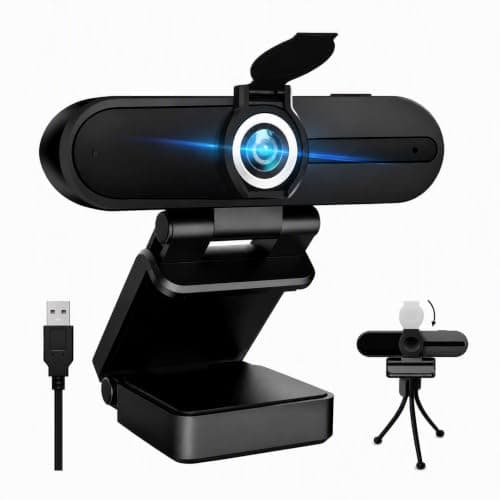
Building a streaming setup on a budget is an exercise in spending where it counts and resisting where it does not. Newcomers often pour money into the most visible piece, usually a camera, and end up with a stream that looks sharp but sounds bad and runs unreliably. The truth is that viewers forgive a modest picture far more readily than they forgive bad audio or constant technical failures. Prioritize accordingly and a small budget goes remarkably far.
Products from this article
The highest-scoring picks from the buying guides this article links to. Scores are our editorial assessment, not customer ratings.
+ Large sensor captures cleaner video in dim home studios
From our guide: Best Webcams
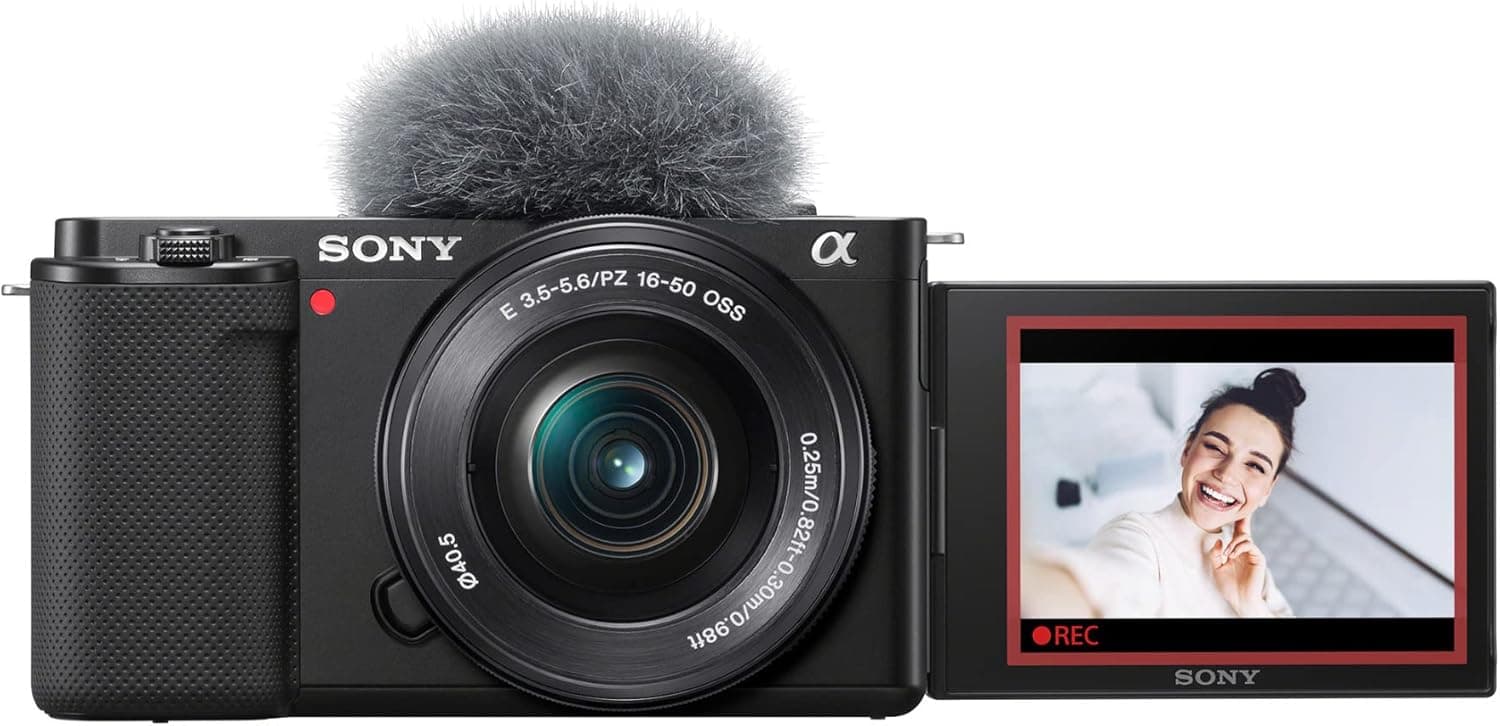
+ APS-C sensor delivers clean, cinematic video with background blur
From our guide: Best Streaming Cameras
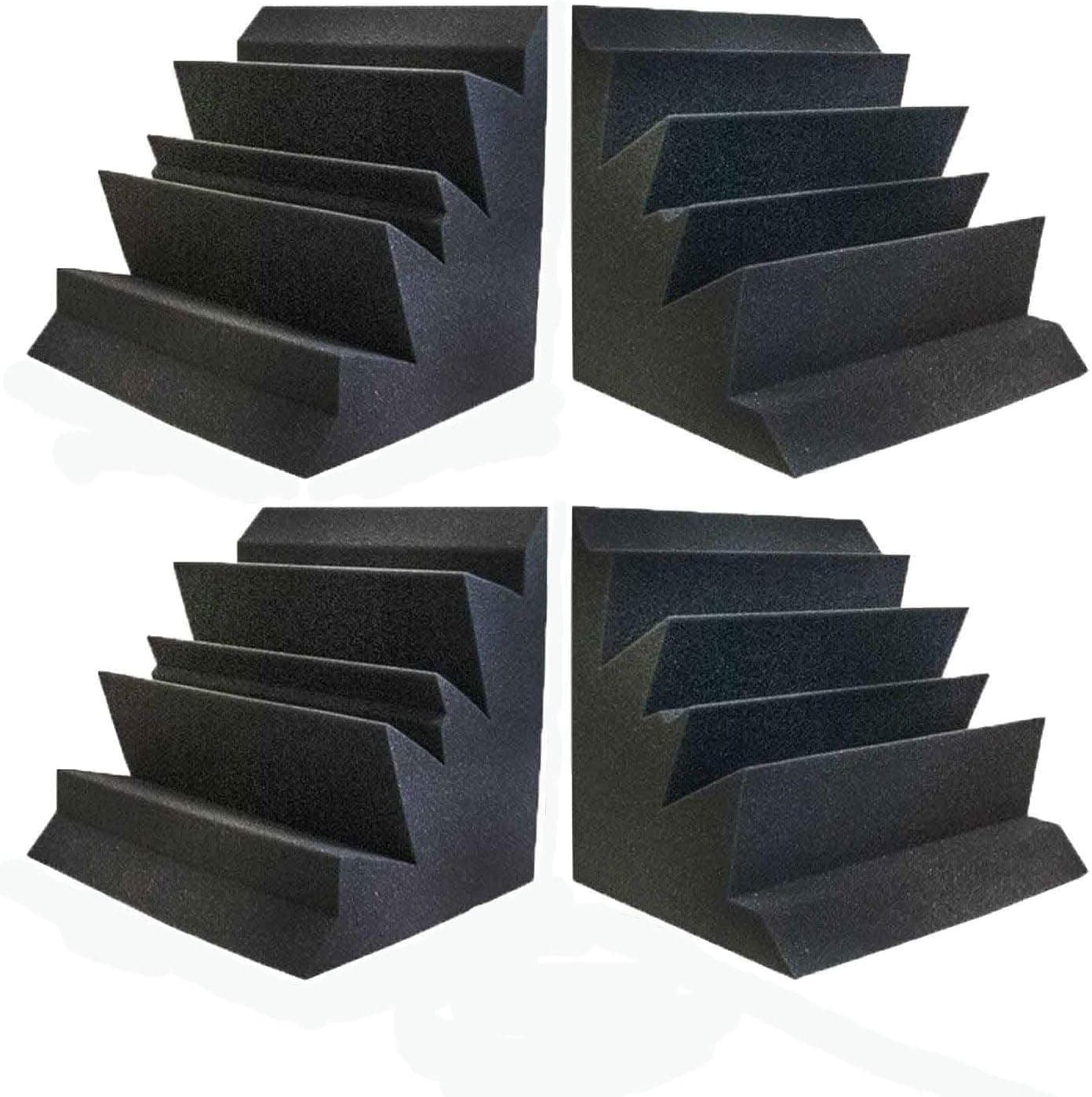
+ XL 12" x 12" x 12" blocks absorb far more bass than slim strips
From our guide: Best Bass Traps
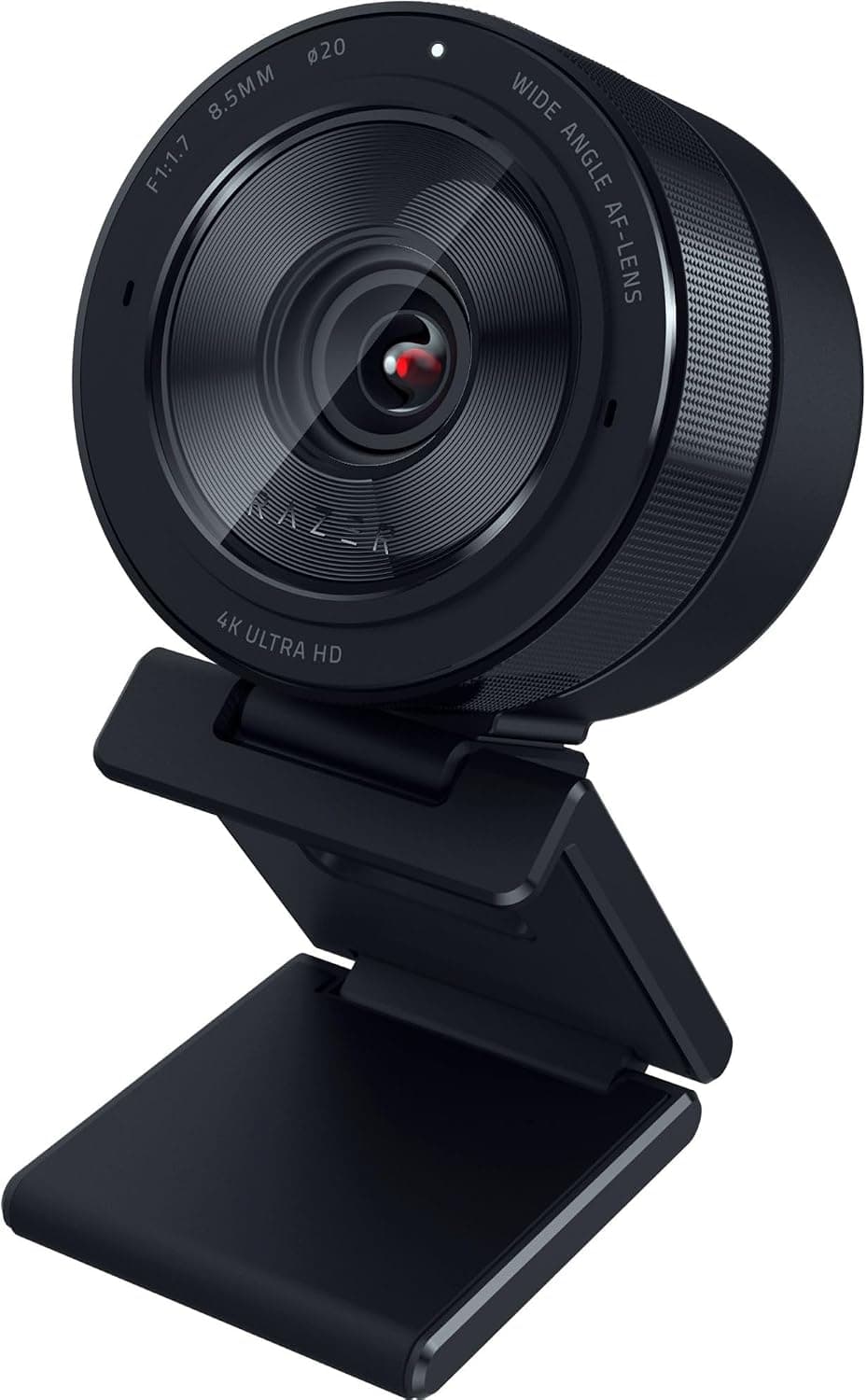
+ AI auto-framing keeps the host centered as they move around
From our guide: Best Webcams
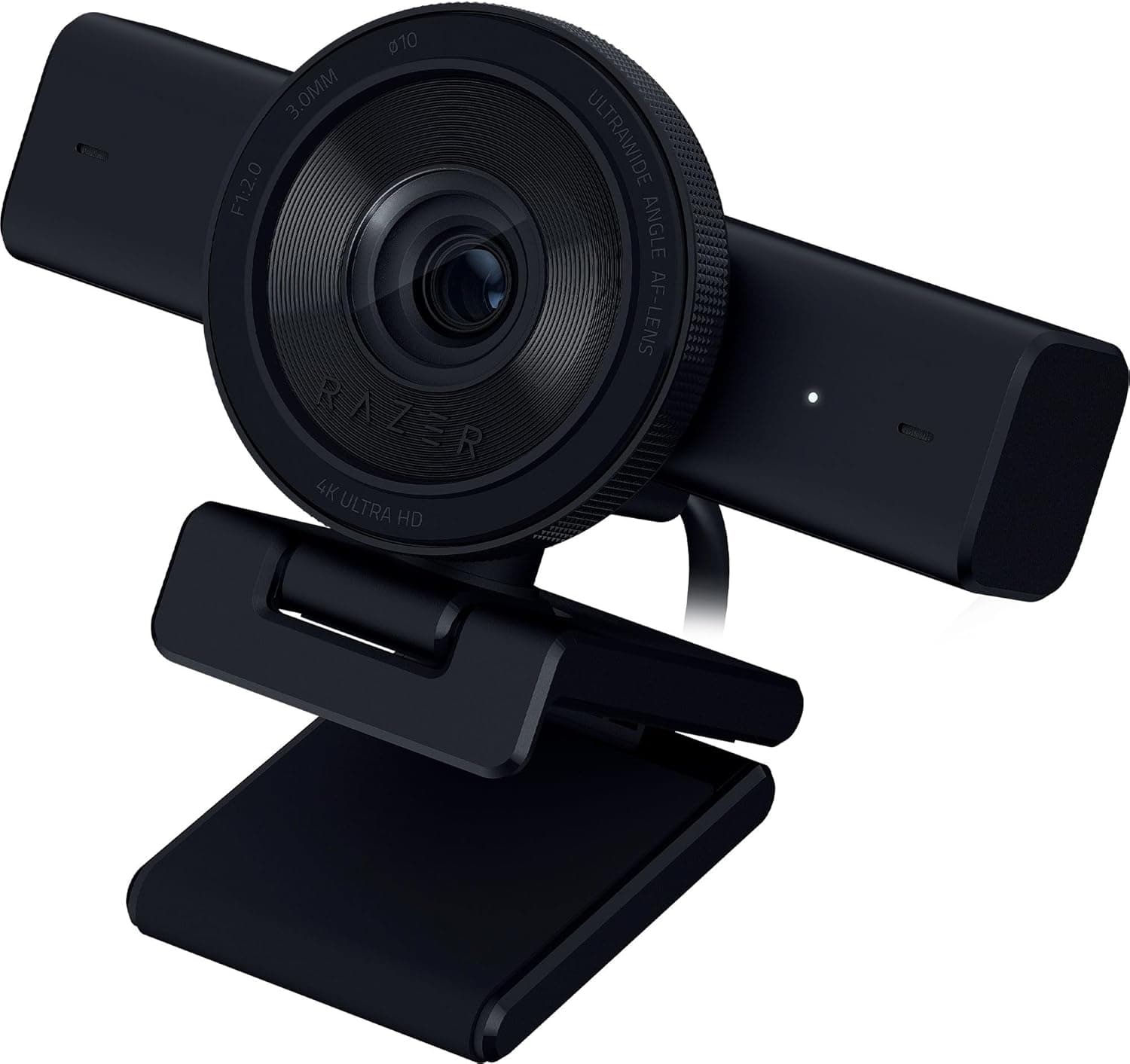
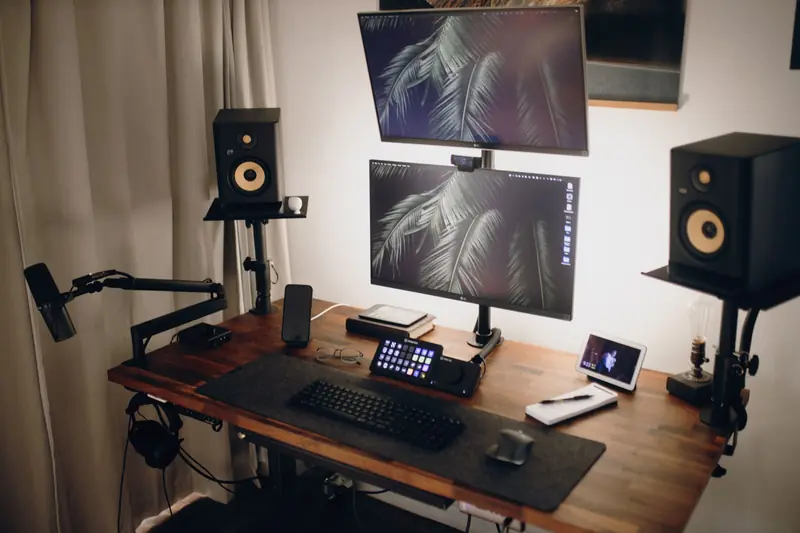
Audio deserves your first dollars, because it is what keeps people watching. A clear, warm voice signals quality and makes a stream comfortable to listen to for hours, while harsh or distant audio drives viewers away within minutes even if the video is beautiful. A decent USB microphone used close to your mouth, in a room with some soft furnishings, outperforms an expensive camera with tinny built-in sound every time. If your budget forces a choice between a better mic and a better camera, choose the mic without hesitation.
Lighting is the second-best value on a tight budget, because it makes an inexpensive camera look far more expensive. A single affordable LED panel or even a well-positioned desk lamp with a diffuser, placed in front of you and slightly to one side, transforms a dim, grainy webcam image into something clean and flattering. Cameras struggle in low light and compensate by adding noise, so giving them plenty of soft light does more for your image quality than upgrading the camera itself would. Good light is cheaper than good glass.
For the camera, you have excellent budget options that most beginners overlook. A modern webcam is genuinely good in proper lighting and needs no extra hardware. Alternatively, many people already own a smartphone with a camera that outclasses dedicated webcams, and free or cheap apps let you use it as a wireless or wired camera for your stream. Repurposing a phone you already have frees your budget for the audio and lighting that actually move the needle, which is exactly where you want that money to go.
Software is where budget streaming truly shines, because the industry standard costs nothing. Free, open-source broadcasting software handles scenes, overlays, multiple sources, and streaming to every major platform without a subscription. Spend your time learning it rather than money replacing it. Set up a few clean scenes, a starting screen, and readable on-screen text, and you will look organized and professional. The polish that makes a stream feel legitimate comes from thoughtful setup and consistency, not from paid tools.
The final budget priority is reliability, which is invisible until it fails. A stable internet connection matters more than any gadget, so use a wired ethernet connection instead of wifi if you possibly can, and test your upload speed to confirm it comfortably exceeds what your chosen quality demands. Close background applications that eat bandwidth or processing power. A modest-looking stream that never drops, never stutters, and always sounds clear builds a loyal audience, while a flashy setup that buffers and crashes sends viewers elsewhere. Spend on stability, clarity, and light, and your budget stream will punch far above its price.
Popular right now
- Best Microphone Isolation ShieldsBuying guide
- Best Acoustic DiffusersBuying guide
- Best XLR MicrophonesBuying guide
- Gain Staging BasicsArticle
- Best LED Video LightsBuying guide
- Best Digital RecordersBuying guide
Based on the last 28 days of search and visitor data.