Lighting a Video Podcast
Published How we research
Video podcasts live or die on lighting far more than on camera resolution. A modestly priced camera in good light looks professional, while an expensive camera in bad light looks flat and amateur. This is because good lighting shapes a face, separates the person from the background, and controls the mood of the shot. Before you upgrade a camera, learn to control the light hitting your face, because that is where most of the visible improvement actually comes from.
Products from this article
The highest-scoring picks from the buying guides this article links to. Scores are our editorial assessment, not customer ratings.
+ 2800 Lumens output lights a host brightly even in darker rooms
From our guide: Best Key Lights
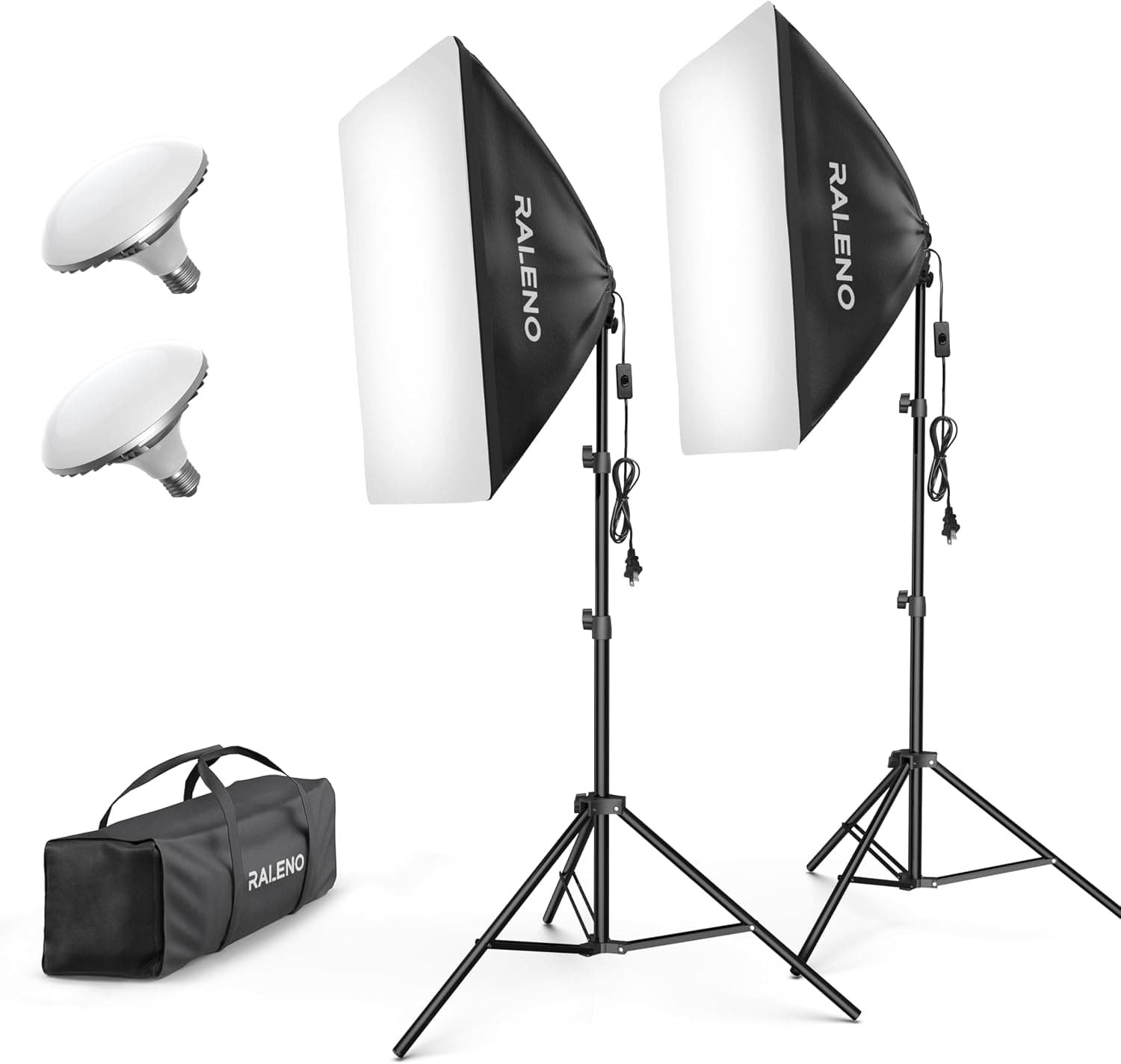
+ 20x28-Inch softboxes create large, soft light that flatters faces
From our guide: Best Softbox Lights
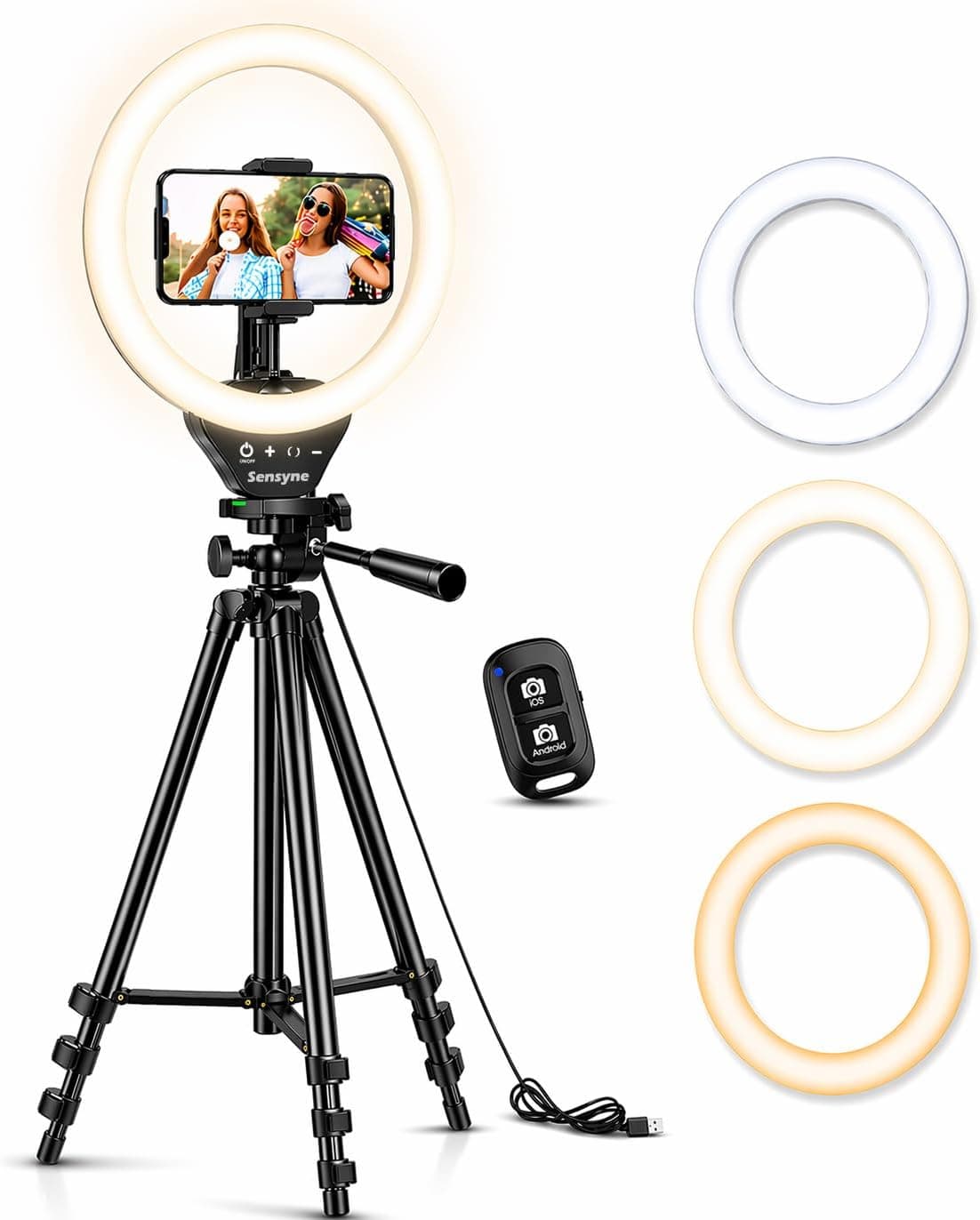
+ 50 inch stand raises the light to face height for seated hosts
From our guide: Best Ring Lights
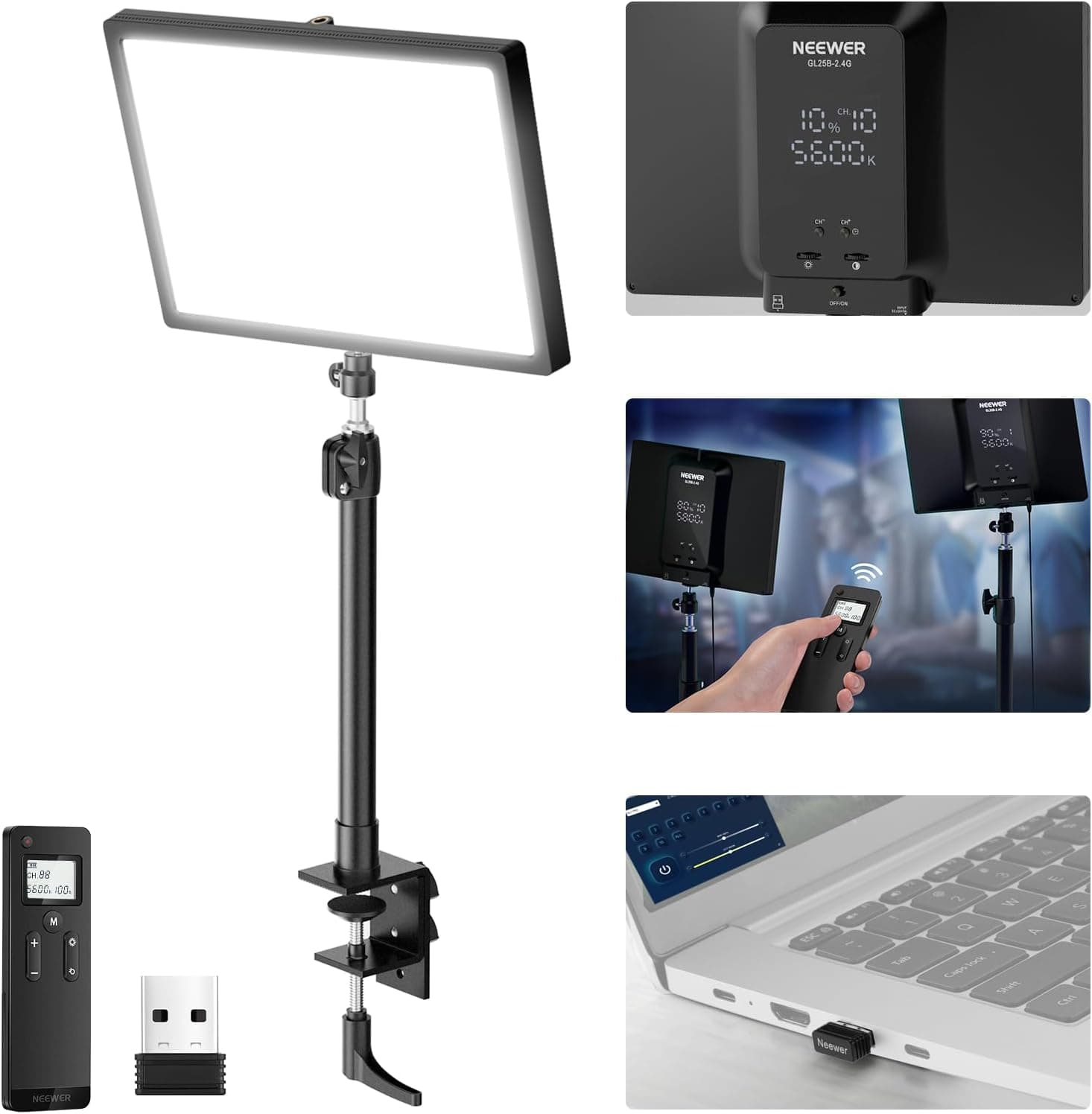
+ 25W panel gives soft, even face light for video podcasts and calls
From our guide: Best Key Lights
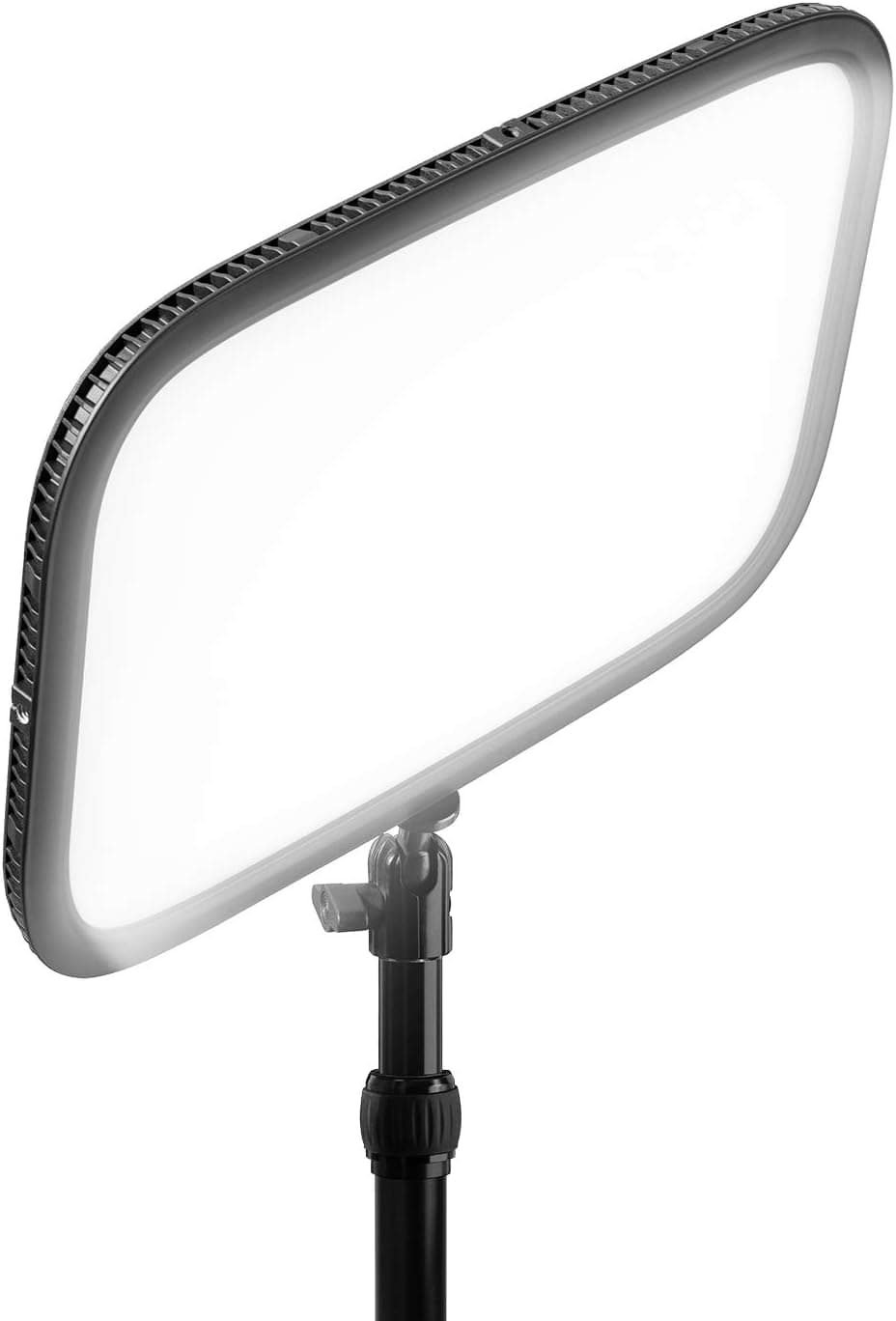
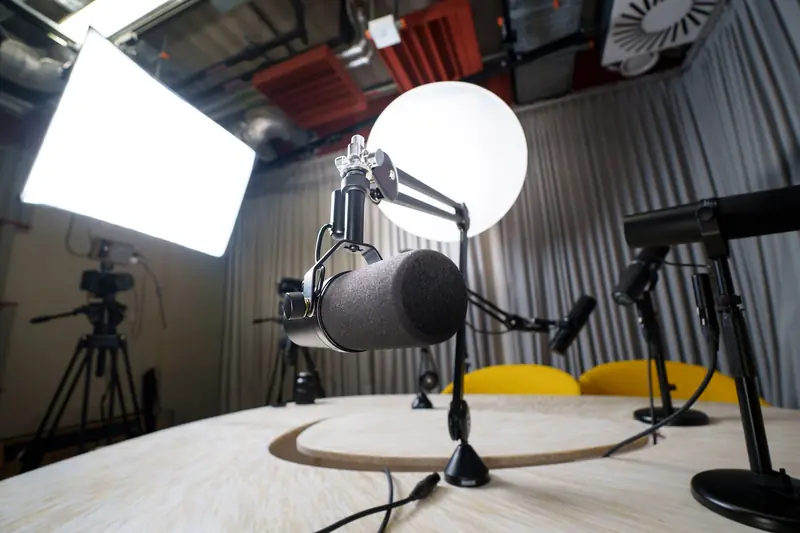
The foundation of any setup is the key light, the main source that illuminates your face. Place it in front of you and slightly to one side, raised a little above eye level and angled down. Lighting from directly in front flattens your features and erases the natural contours that make a face look three-dimensional. Lighting from a bit off to the side creates gentle shadows that add shape and depth. Avoid lighting from below, which casts unnatural upward shadows, and avoid overhead lighting alone, which drops dark shadows into your eye sockets.
Softness matters as much as position. A small, bare, hard light source creates sharp-edged shadows and harsh highlights on skin, which looks unflattering and clinical. A large, diffused source wraps light around the face and softens the transition between light and shadow. This is why softboxes and large LED panels with diffusion look so much better than a bare bulb. You can soften a harsh light cheaply by bouncing it off a white wall or ceiling, or by placing a diffusion layer between the light and your face.
Managing your background transforms an ordinary shot into a considered one. If you sit close to a wall, your own shadow falls onto it and the frame feels cramped. Move a meter or two away from the background so shadows fall out of frame and you gain a sense of depth. A small accent light aimed at the background, or a lamp just out of shot, adds separation and visual interest. Even a single point of colored light or a bookshelf softly lit behind you reads as intentional and lifts the whole picture.
Windows are both a gift and a trap. Soft daylight from a large window is beautiful and free, and facing a window can be your entire key light on a good day. The trap is mixing daylight with warm indoor bulbs, which produces an ugly split where one side of your face is blue and the other orange. Either control the window with a blind and light yourself artificially, or lean fully into the daylight and turn the mismatched lamps off. Consistency of color temperature across your sources keeps skin tones looking natural.
Finally, watch for the small mistakes that undo good lighting. Glasses catch reflections of your light source, so tilt the light or your head slightly until the glare disappears. Shiny foreheads read as hotspots on camera, easily fixed with a matte finish. Backlighting from a bright window behind you turns you into a silhouette, so keep your brightest source in front. Do a recorded test and watch it back on the screen you will publish to, because a shot that looks fine to your eye can reveal blown-out highlights or muddy shadows once it is captured and compressed.
Popular right now
- Best Microphone Isolation ShieldsBuying guide
- Best Acoustic DiffusersBuying guide
- Best XLR MicrophonesBuying guide
- Gain Staging BasicsArticle
- Best LED Video LightsBuying guide
- Best Digital RecordersBuying guide
Based on the last 28 days of search and visitor data.