What Great Audiobooks Can Teach You About Your Own Podcast
Published How we research
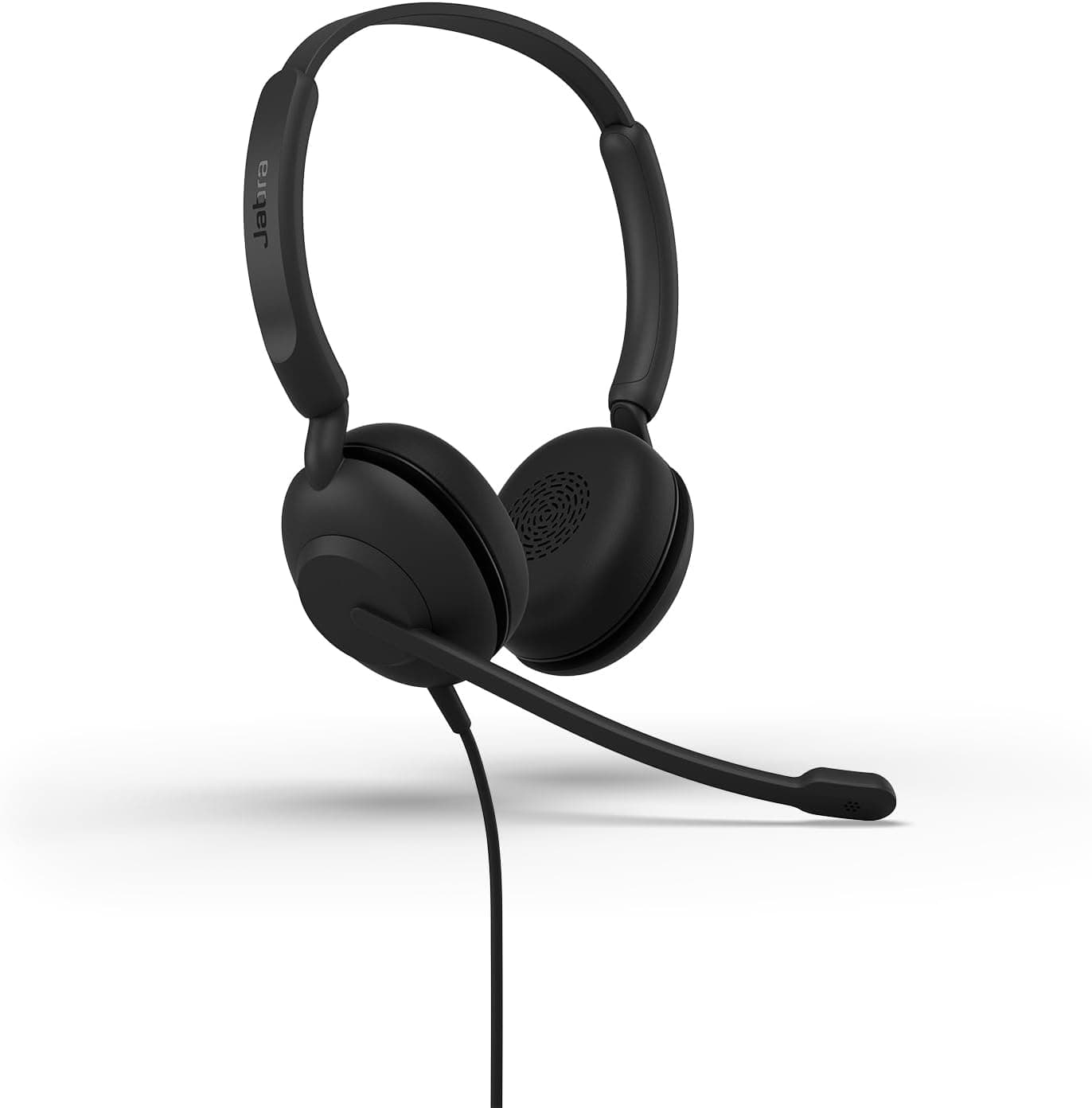
Great spoken-word audio is one of the best teachers a podcaster has. Audiobook narrators, radio hosts, and veteran interviewers have spent years learning how to hold attention with nothing but a voice, a script, and careful pacing. Most podcasters only study other podcasts, but audiobooks and long-form interview shows offer a wider range of pacing, tone, and structure to learn from. Building a regular listening habit, paired with gear that makes focused listening comfortable, can sharpen your ear for the small choices that separate a rough recording from a polished one. None of this requires new recording gear or a course, just a willingness to listen on purpose instead of letting a show play in the background. This guide walks through what to listen for, how to build the habit around a normal week, and how to turn casual listening into concrete improvements in your own show.
Why your ears are a production tool
It is easy to treat podcasting gear and podcasting skill as separate problems, but the two are connected through listening. A microphone only captures what is in the room, and an interface only converts what the microphone hears, so the quality ceiling on your show is set partly by how well you can judge sound in the first place. Producers who listen critically to a wide range of spoken word audio build a mental library of reference points: how a pause should feel, how loud a laugh should sit against dialogue, how much room tone is too much.
That library makes editing decisions faster and more consistent from episode to episode, because you are comparing what you hear against a real standard instead of guessing. Gear choices matter too, but a great microphone in the hands of someone with an undeveloped ear will still produce a show that sounds slightly off, even when every technical box is checked.
What narrators teach about pacing and breath
Audiobook narrators read for hours at a stretch, and the good ones make it sound effortless. Listening to a well produced audiobook on Audible, you can hear how a narrator times pauses around punctuation, drops their volume slightly at the end of a sentence, and manages breath so it never becomes a distraction.
Beginner podcast hosts often either rush through sentences or leave long, unplanned pauses that sound like dead air. Studying a chapter or two of narration with headphones on, paying attention to breath placement rather than the story itself, is a quick way to pick up techniques you can practice in your next recording session. Try reading a paragraph of your own script out loud right after, mimicking the pacing you just heard, and notice how differently it feels compared to your usual delivery.
How top interview shows structure an episode
Long-form interview shows teach a different lesson. Instead of pacing within a sentence, they teach pacing across an hour: when to let a guest talk uninterrupted, when to summarize a tangent back to the topic, and how to open and close a conversation without it feeling abrupt.
Listen for how a host handles a guest who trails off or repeats themselves, since that is exactly the kind of moment you will face in your own interviews. Taking notes on structure, not content, turns a show you already enjoy into a study session you can repeat with almost any episode. Pay attention as well to how questions are worded, since a short, open question usually pulls a better answer out of a guest than a long, multi-part one.
Build a critical listening habit around your day
A listening habit only sticks if it fits into time you already have. Commutes, workouts, chores, and gear setup time are natural windows for focused listening that will not compete with your recording or editing schedule.
Comfortable headphones make the difference between listening as background noise and listening with real intent, since fatigue is often the reason a good habit fades after a week.
Gear that makes focused listening easier
Isolation matters as much as sound quality when you are trying to catch small details like breath control or a subtle edit point. A closed-back pair blocks outside noise so quiet passages and soft consonants stay audible, which is exactly what you need when studying narration or reviewing a rough cut of your own episode.
The same isolation that helps you focus while listening also helps you catch problems while editing, so the investment in a good pair of headphones pays off twice.
Turn listening into an editing checklist
Casual listening becomes useful once you turn it into questions about your own episodes: where did that host pause, and could a similar pause work after your own strong point? How much silence did they leave before a laugh landed? Did the interview open with a hook or ease in slowly?
Write down two or three observations after every listening session and revisit them the next time you sit down to edit. Over a few months, this turns listening time into a lightweight, ongoing editing education that costs nothing beyond the time you already spend listening.
Choosing reference material across genres
Not every genre teaches the same lesson, so it helps to rotate what you study rather than sticking to one favorite. Fiction narration is strong on pacing and character voice, nonfiction narration is strong on clarity with dense information, and true crime or documentary style shows are strong on building tension across a longer arc.
If your podcast is mostly solo narration, lean on audiobooks in a similar tone to your own show. If it is mostly conversation, prioritize interview shows in your niche or an adjacent one, since the guest dynamics and pacing will translate more directly than a scripted monologue would.
Products from this article
The highest-scoring picks from the buying guides mentioned above. Scores are our editorial assessment, not customer ratings.
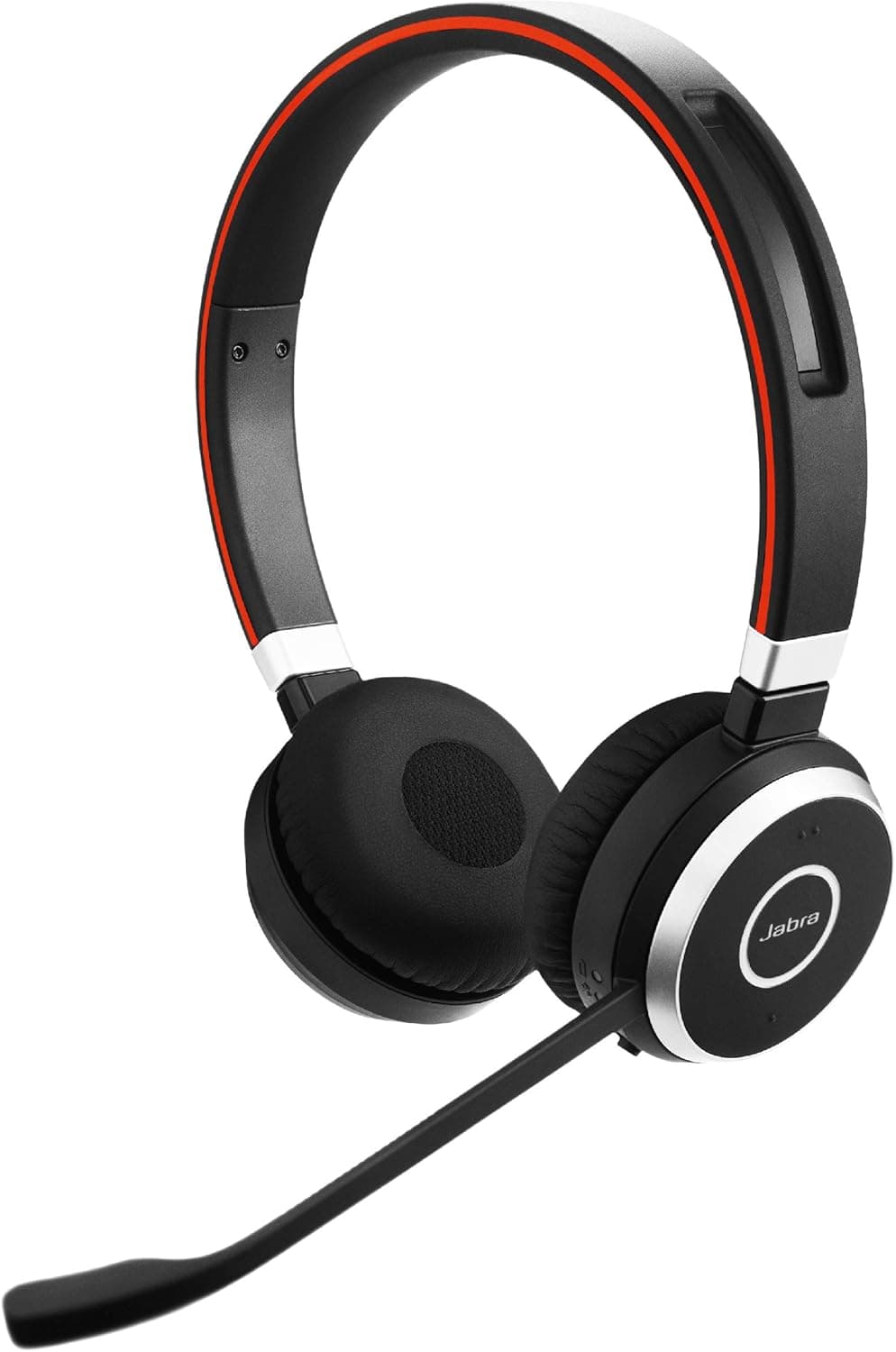
+ Link 370 USB adapter gives reliable wireless connection to computers
From our guide: Best Podcast Headsets
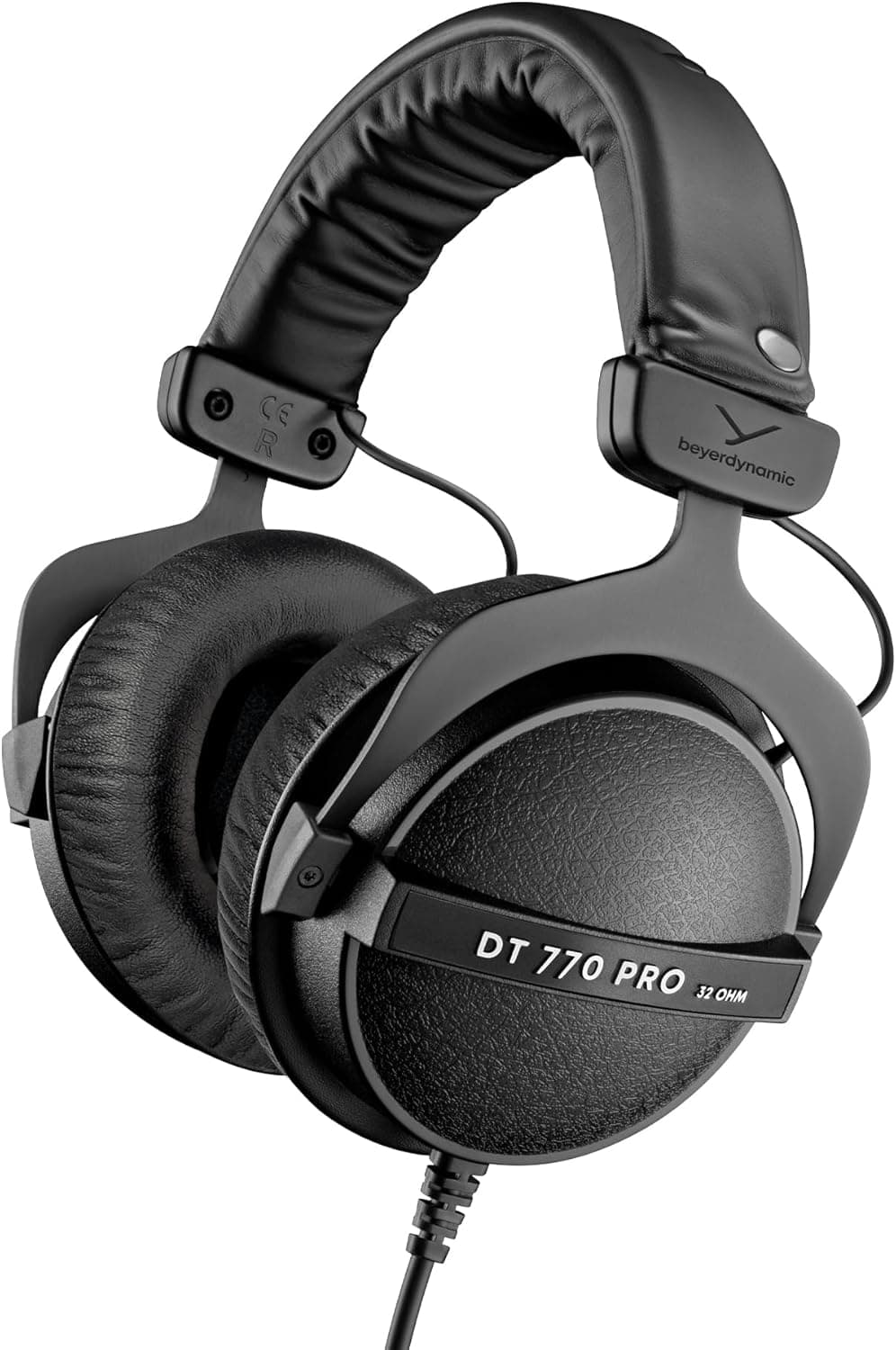
+ 32 Ohm version gets loud from phones, laptops and small recorders
From our guide: Best Closed Back Headphones
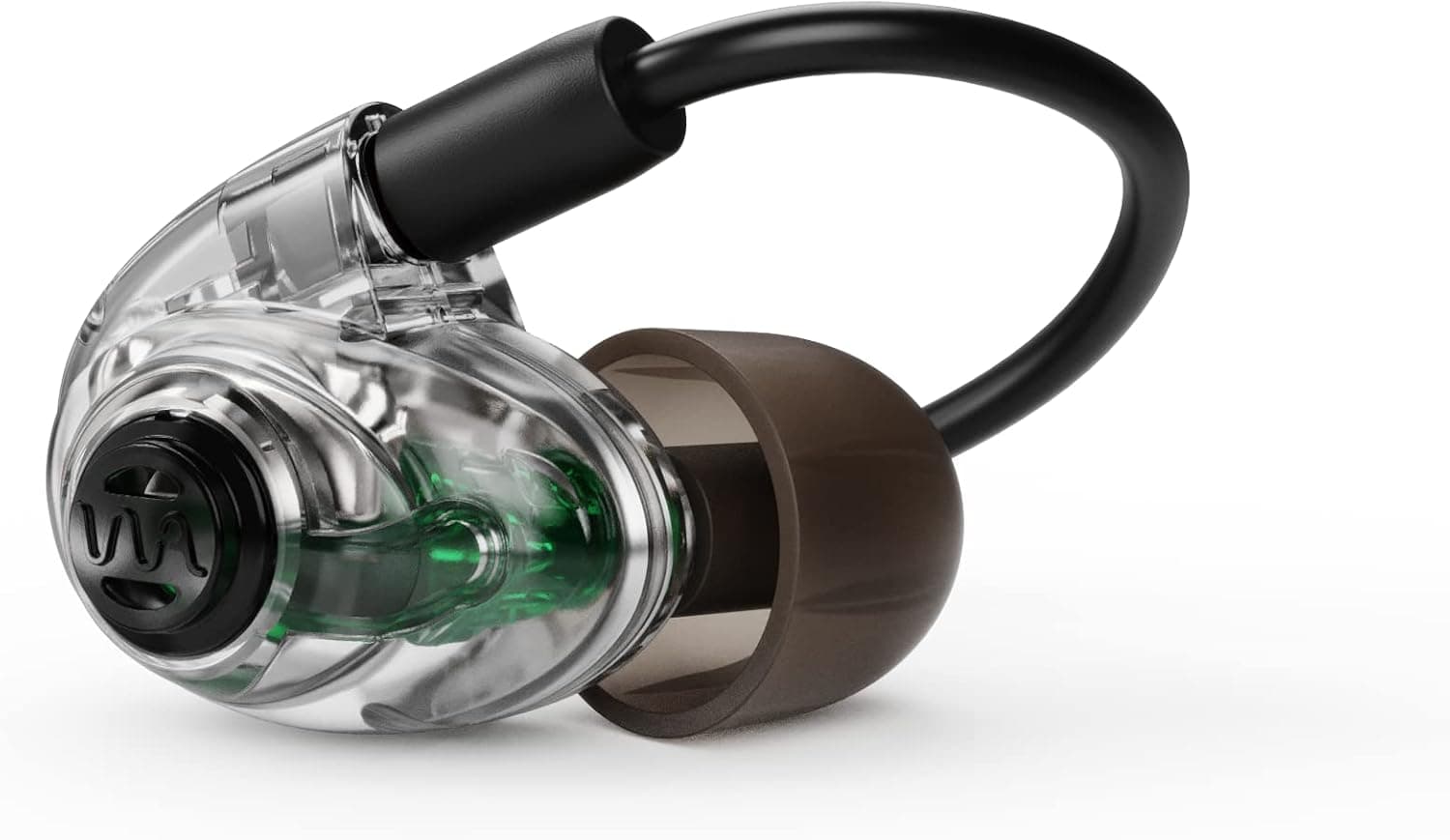
+ Three-driver design delivers detailed, balanced sound in a small shell
From our guide: Best In Ear Monitors
+ Noise-cancelling mic keeps voice clear for remote podcast guests
From our guide: Best Podcast Headsets
Popular right now
- Best Studio HeadphonesBuying guide
- Best Digital RecordersBuying guide
- Best Acoustic PanelsBuying guide
- Best Camera TripodsBuying guide
- Best Dynamic MicrophonesBuying guide
- Best USB Audio AdaptersBuying guide
Based on the last 28 days of search and visitor data.