Best Audio Interfaces
Updated How we research
MOTU M2 USB-C Audio Interface
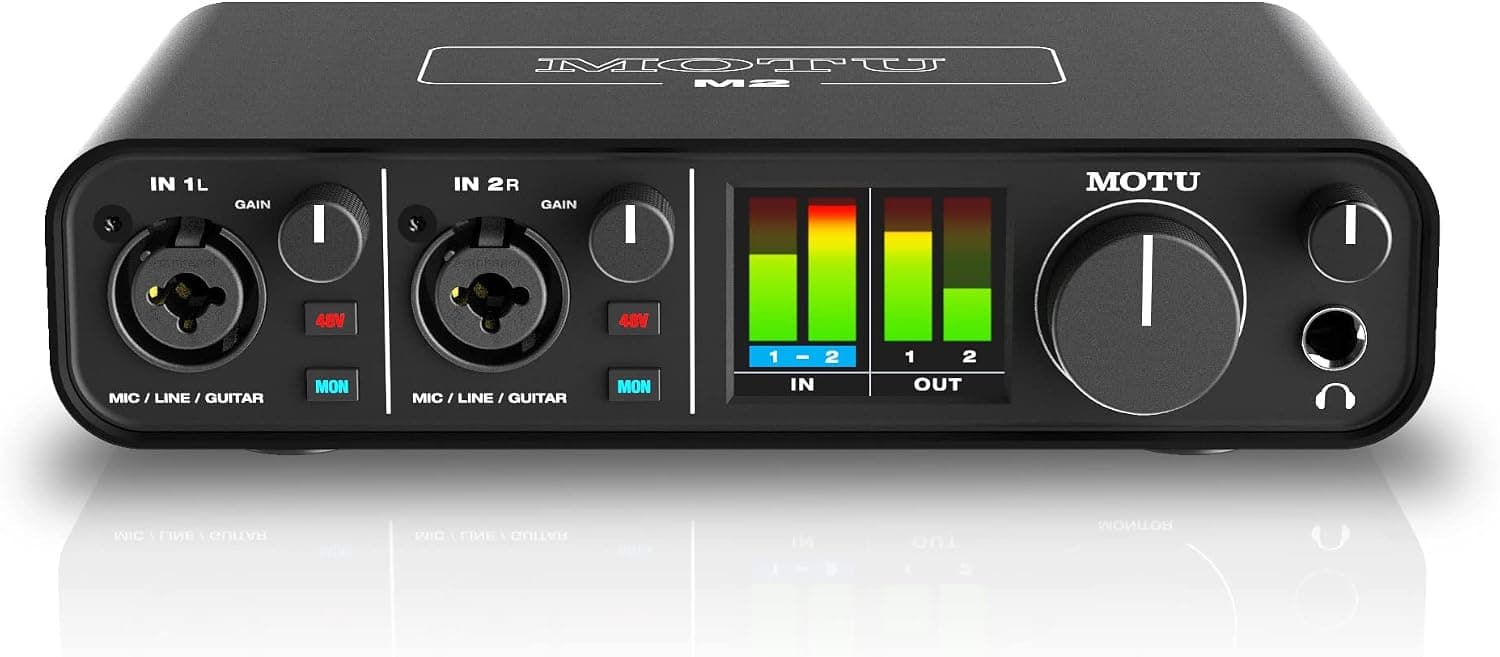
MOTU's M2 is a two-input USB-C audio interface with large level meters, a clean-sounding pick for two-mic podcast setups.
Focusrite Scarlett 2i2 4th Gen USB Audio Interface
The Focusrite Scarlett 2i2 4th Gen is a two-input USB interface, a popular upgrade for two-mic podcasts and home recording.
An audio interface is the heart of any XLR-based recording setup. It supplies clean preamp gain and phantom power to your microphones, converts your voice into pristine digital audio, and sends it to your computer with rock-solid, low-latency performance. If you have outgrown USB mics and want real control over your sound, this is the upgrade that unlocks it. Choosing one comes down to how many inputs you need, the quality of the preamps, and how well it plays with your recording software. A two-channel model handles most podcasts and solo studios, while larger units grow with your ambitions. In this guide we cover the interfaces that deliver clean sound, dependable drivers, and lasting value for creators.
The short version
We compared 8 picks. Our scores range from 7.2 to 9.0 out of 10.
- Best overall:MOTU M2 USB-C Audio Interface. Highest overall score in this guide at 9.0/10.
- Also great value:Focusrite Scarlett Solo 3rd Gen USB Audio Interface. Value score of 9/10, overall 8.0/10.
- Solid build:Focusrite Scarlett 2i2 4th Gen USB Audio Interface. Build and materials score of 9/10, overall 8.8/10.
- Feature-rich:PreSonus Quantum ES 4 4 x 4, 24-bit / 192 kHz USB-C Audio Interface with Fender Studio Pro Software. Features score of 9/10, overall 8.4/10.
Scores are our editorial assessment, not customer ratings. How we score
- 1.MOTU M2 USB-C Audio Interface9.0/10See on AmazonCheck price
- 2.Focusrite Scarlett 2i2 4th Gen USB Audio Interface8.8/10See on AmazonCheck price
- 3.PreSonus Quantum ES 4 4 x 4, 24-bit / 192 kHz USB-C Audio Interface with Fender Studio Pro Software8.4/10See on AmazonCheck price
- 4.PreSonus Quantum ES 2 USB-C Audio Interface with Fender Studio Pro Software8.1/10See on AmazonCheck price
- 5.Focusrite Scarlett Solo 3rd Gen USB Audio Interface8.0/10See on AmazonCheck price
- 6.Universal Audio Volt 2 USB Audio Interface8.0/10See on AmazonCheck price
- 7.PreSonus AudioBox 96 25th Anniversary USB Audio Interface7.2/10See on AmazonCheck price
- 8.Fender AudioBox GO | 2x2 USB-C Audio Interface for Music Production, XLR Mic/Line Combo, TS Instrument Input, 24-bit/96 kHz Converters + Fender Professional Series Instrument Cable7.2/10See on AmazonCheck price
 #1
MOTU's M2 is a two-input USB-C audio interface with large level meters, a clean-sounding pick for two-mic podcast setups.
Fit for the job 9/10 · Features and specs 9/10 · Build and materials 9/10 · Value 9/10
- + Bright level meters show exactly when your voice is getting too loud
- + USB-C connection and loopback suit streaming and remote interviews
- + Very clean converters and preamps for the price bracket
- - Only two inputs, so larger shows will need a four-channel interface
- - Front-panel phantom power is shared, which can matter with mixed mics
 #2
The Focusrite Scarlett 2i2 4th Gen is a two-input USB interface, a popular upgrade for two-mic podcasts and home recording.
Fit for the job 9/10 · Features and specs 9/10 · Build and materials 9/10 · Value 8/10
- + Two mic inputs record a host and guest on separate channels
- + 4th Gen preamps offer more clean gain for low-output dynamic mics
- + Compact desktop size fits next to a laptop in small studios
- - Two inputs are the ceiling, so three-person shows need a bigger unit
- - Pricier than budget two-input interfaces with similar core features
 #3
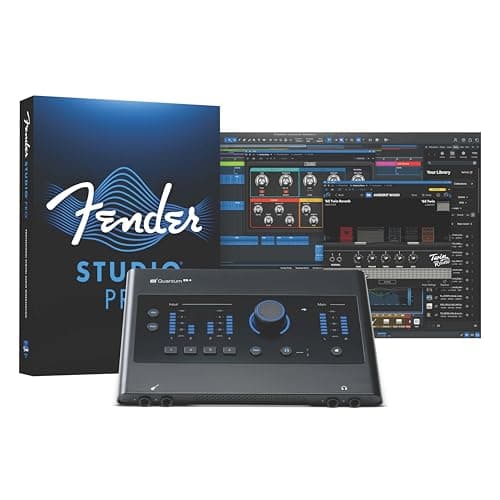
The PreSonus Quantum ES 4 is a 4x4, 24-bit/192 kHz USB-C interface with four MAX-HD mic preamps offering 75 dB of gain. Auto Gain and control from the Universal Control app help when you run a multi-mic show.
Fit for the job 9/10 · Features and specs 9/10 · Build and materials 8/10 · Value 7/10
- + Four MAX-HD mic preamps with +75 dB of gain, a useful margin for low-output dynamic mics
- + Auto Gain button sets input levels for microphones and instruments automatically
- + Includes a Studio One Pro perpetual license and preamp control from a phone, tablet or desktop
- - Costs well above budget interfaces, so it only pays off if you use all four preamps
- - Four mic inputs are more than a solo or two-host show needs, where a two-preamp unit costs far less
 #4
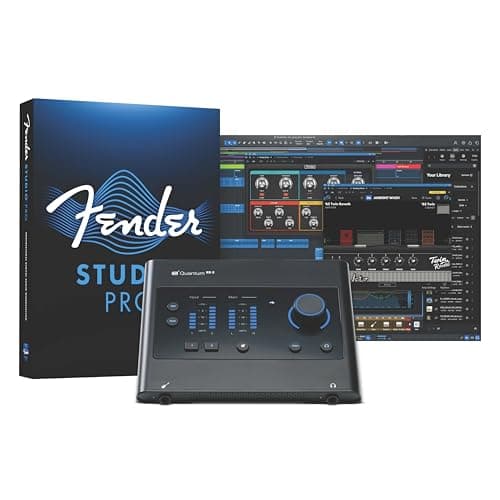
The PreSonus Quantum ES 2 is a USB-C interface with two MAX-HD mic preamps offering 75 dB of gain and an instrument input co-developed with Fender. Auto Gain and app control keep a two-mic podcast setup simple.
Fit for the job 8/10 · Features and specs 9/10 · Build and materials 8/10 · Value 7/10
- + Two MAX-HD mic preamps with +75 dB of gain, described as transparent and low noise
- + Auto Gain button sets levels for mics and instruments, handy for hosts who are not engineers
- + Studio One Pro perpetual license included, plus preamp control from the Universal Control app
- - Two mic preamps only, so it will not grow with a show that adds a third or fourth host
- - Costs more than entry-level two-input interfaces that cover basic podcast recording
 #5
Focusrite's Scarlett Solo 3rd Gen is a compact USB interface with one mic input, the classic starter box for a single XLR mic.
Fit for the job 8/10 · Features and specs 7/10 · Build and materials 8/10 · Value 9/10
- + Single mic preamp is all a solo podcaster needs for one XLR microphone
- + Small, simple layout makes it easy for complete beginners to set up
- + Proven Focusrite drivers are stable on both Mac and Windows computers
- - Only one mic input, so adding a co-host means buying a new interface
- - Modest preamp gain struggles with very quiet dynamic broadcast mics
 #6
Universal Audio's Volt 2 is a two-input USB interface with a vintage-inspired sound option, a stylish starter for voice recording.
Fit for the job 8/10 · Features and specs 8/10 · Build and materials 8/10 · Value 8/10
- + Vintage preamp mode adds warmth and character to spoken voice
- + Two inputs cover a host plus guest or a mic plus guitar
- + Universal Audio name brings strong bundled software for editing
- - Vintage mode is subtle, so it will not replace proper voice processing
- - Costs more than basic two-input boxes with similar input counts
 #7
PreSonus's AudioBox 96 25th Anniversary edition is a two-input USB interface, an entry-level box with bundled recording software.
Fit for the job 7/10 · Features and specs 7/10 · Build and materials 7/10 · Value 8/10
- + Two combo inputs cover a mic plus an instrument or a second host
- + Bundled PreSonus software gives beginners a way to record and edit
- + Anniversary styling adds a distinctive look at a starter price
- - Plastic-feeling controls are less refined than pricier interfaces
- - Basic preamps need a booster for low-output broadcast dynamics
 #8
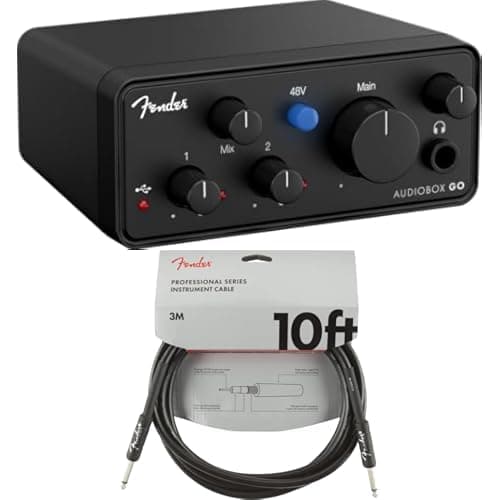
Fender AudioBox GO is the current listing of the compact 2x2 USB-C interface with an XLR mic/line combo input, 48V phantom power, an instrument input and 24-bit/96 kHz converters.
Fit for the job 7/10 · Features and specs 7/10 · Build and materials 7/10 · Value 8/10
- + XLR combo input with switchable +48V phantom power handles condenser and dynamic microphones.
- + Zero-latency headphone monitoring with a mix control, plus two balanced 1/4 inch outputs for monitors.
- + Ultra-compact USB-C design that the listing says fits a pocket, convenient for travel recording.
- - Only one mic input, so a two-host podcast needs a larger interface.
- - Two inputs total and no bundled software detail in this listing, so check what DAW you will use.
Before you buy: trade-offs we flagged
No pick is perfect. These are the main compromises we noted for the top products in this guide, so you can check they will not matter for you.
- Only two inputs, so larger shows will need a four-channel interface (MOTU M2 USB-C Audio Interface)
- Two inputs are the ceiling, so three-person shows need a bigger unit (Focusrite Scarlett 2i2 4th Gen USB Audio...)
- Costs well above budget interfaces, so it only pays off if you use all four preamps (PreSonus Quantum ES 4 4 x 4, 24-bit / 192 kHz...)
- Two mic preamps only, so it will not grow with a show that adds a third or fourth host (PreSonus Quantum ES 2 USB-C Audio Interface...)
- Only one mic input, so adding a co-host means buying a new interface (Focusrite Scarlett Solo 3rd Gen USB Audio...)
- Vintage mode is subtle, so it will not replace proper voice processing (Universal Audio Volt 2 USB Audio Interface)
Frequently asked questions
›What is the best choice among audio interfaces?
MOTU M2 USB-C Audio Interface is our top overall pick. MOTU's M2 is a two-input USB-C audio interface with large level meters, a clean-sounding pick for two-mic podcast setups. It earns our score of 9.0/10, based on fit for the job, features, build and value.
›What is a good budget option?
Focusrite Scarlett 2i2 4th Gen USB Audio Interface is the strongest low-cost pick in this guide. The Focusrite Scarlett 2i2 4th Gen is a two-input USB interface, a popular upgrade for two-mic podcasts and home recording.
›How much should I expect to spend?
Picks in this guide span See on Amazon price bands (roughly: $ = under $30, $$ = $30 to $100, $$$ = over $100). We never display exact prices because they change constantly, so the buttons above always show Amazon's current price.
›How were these products chosen?
We shortlist products that fit the job this guide solves and compare their published specifications, such as size, capacity, materials and what is included. Each pick gets an editorial score out of 10 for fit, features, build and value, and we write the pros and cons from those details. Our score is not an Amazon customer rating. We earn a commission if you buy through our links, which never affects the ranking.
Podcast Gear Hub independently selects every product; we may earn a commission from links above.
Popular right now
- Best Microphone Isolation ShieldsBuying guide
- Best Acoustic DiffusersBuying guide
- Best XLR MicrophonesBuying guide
- Gain Staging BasicsArticle
- Best LED Video LightsBuying guide
- Best Digital RecordersBuying guide
Based on the last 28 days of search and visitor data.