Building a Podcast Studio on a Budget Without Cutting Corners
Published How we research
There is a persistent myth that professional-sounding audio requires a professional-sized budget, and it keeps far too many aspiring podcasters on the sidelines. The reality is that thoughtful spending beats big spending every time. You can assemble a studio that sounds genuinely great for a modest outlay if you understand where your money makes a real difference and where you can lean on creativity and everyday items instead. Building on a budget is not about cutting corners, it is about spending wisely.
Products from this article
The highest-scoring picks from the buying guides this article links to. Scores are our editorial assessment, not customer ratings.
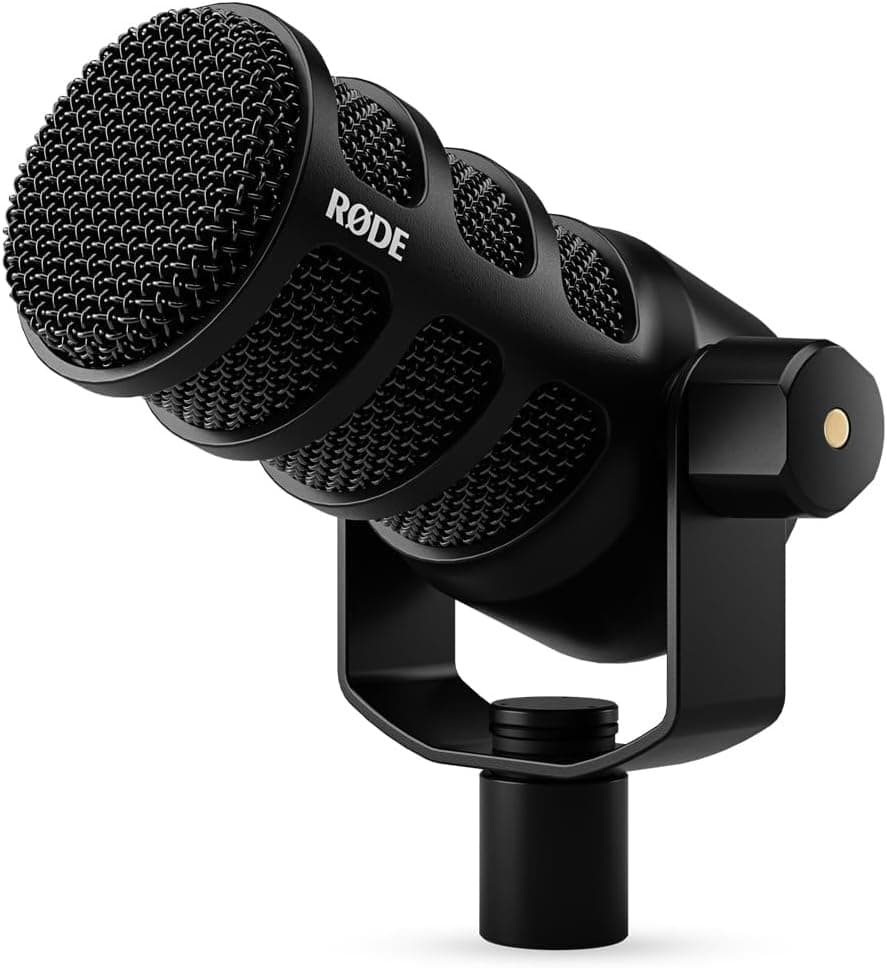
+ USB and XLR outputs cover solo laptop recording and multi-mic interface setups
From our guide: Best Podcast Microphones
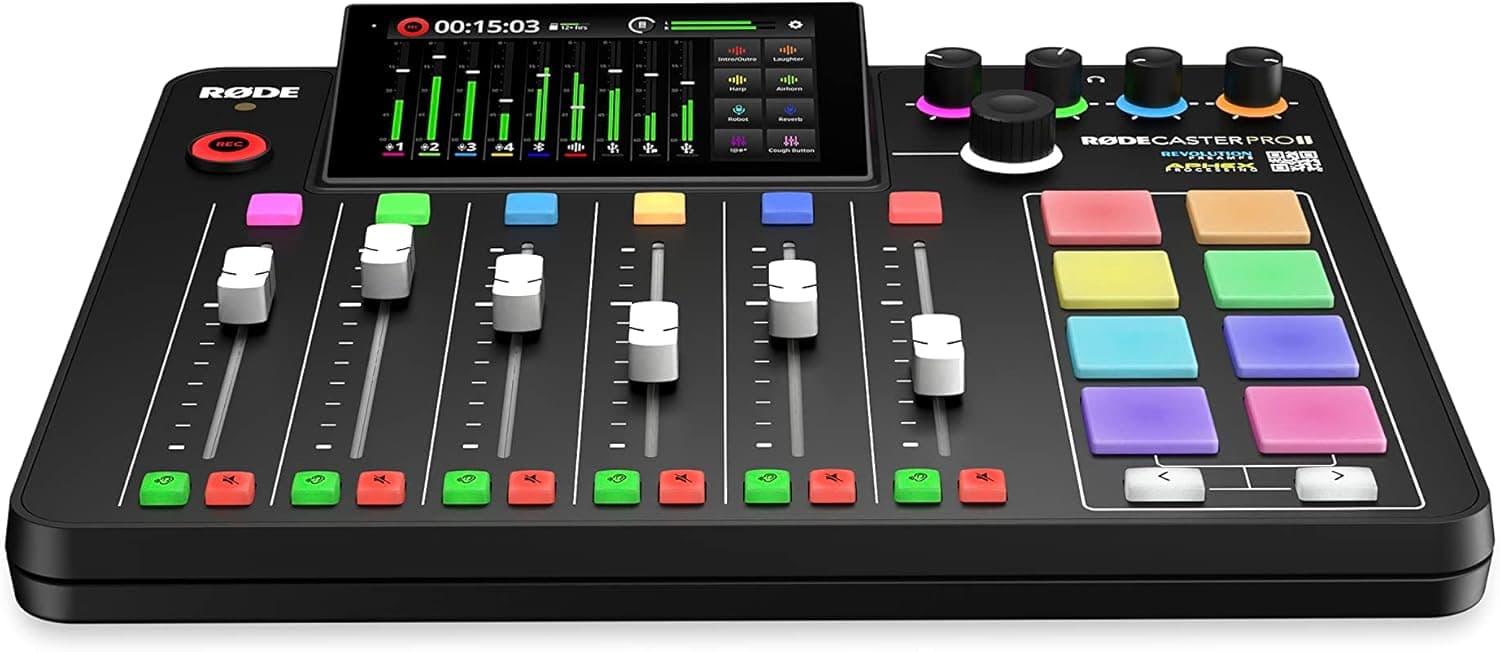
+ Mixes mics, phone guests, music and sound pads without needing a computer
From our guide: Best Podcast Soundboards
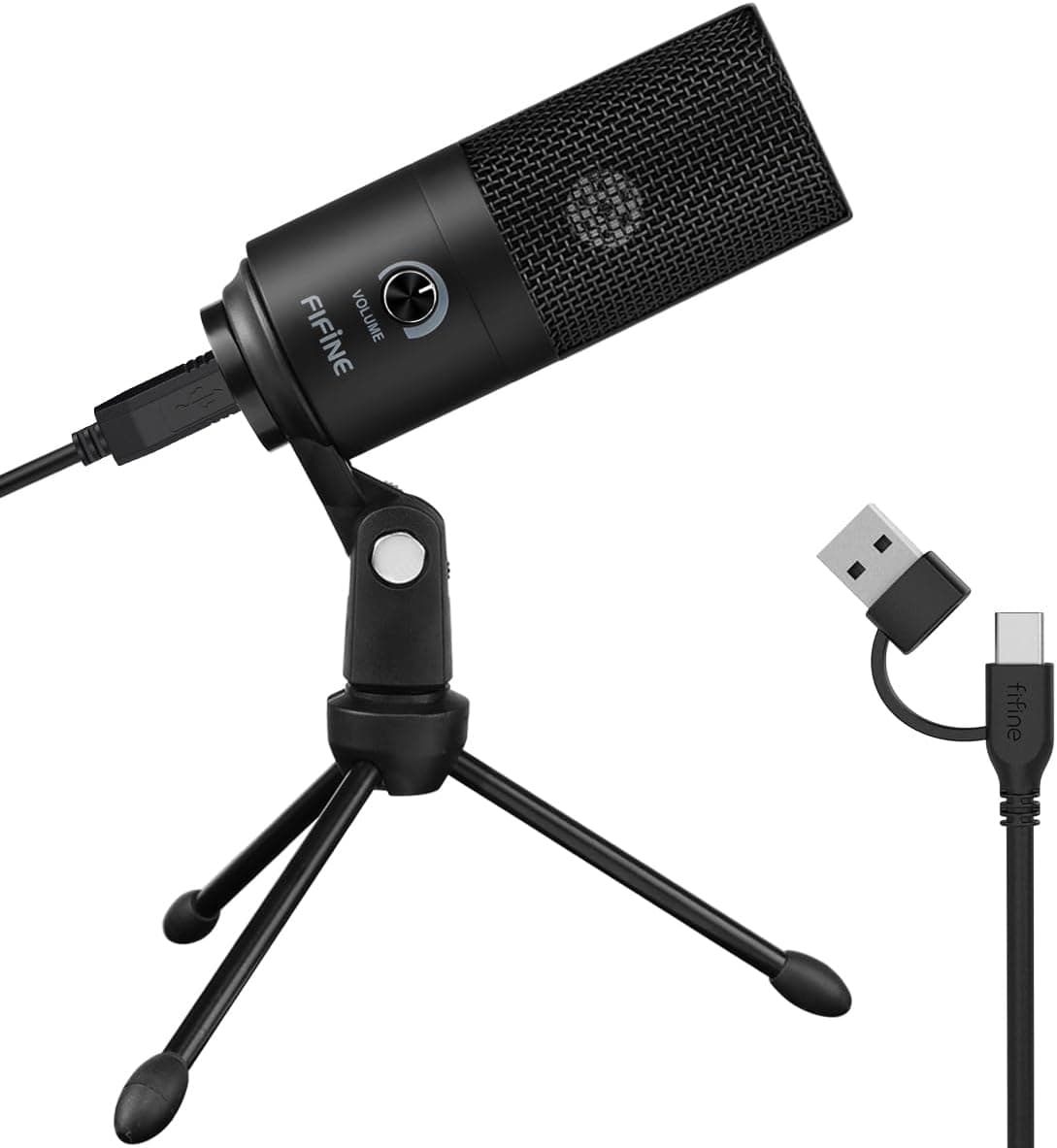
+ Metal body feels sturdier than most plastic mics in this low price bracket
From our guide: Best Budget Microphones
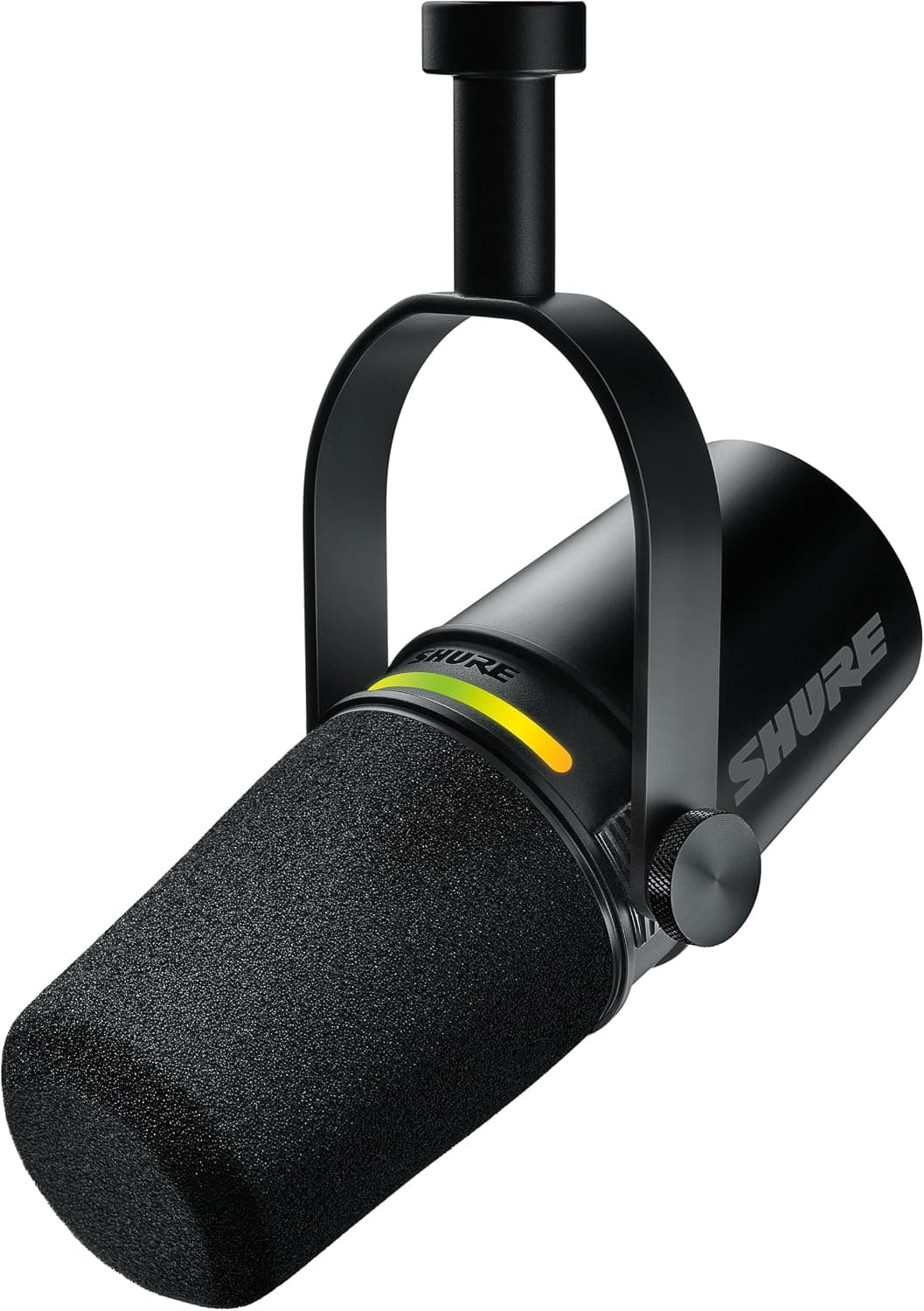
+ USB-C and XLR outputs work with modern laptops, phones and pro interfaces
From our guide: Best Podcast Microphones
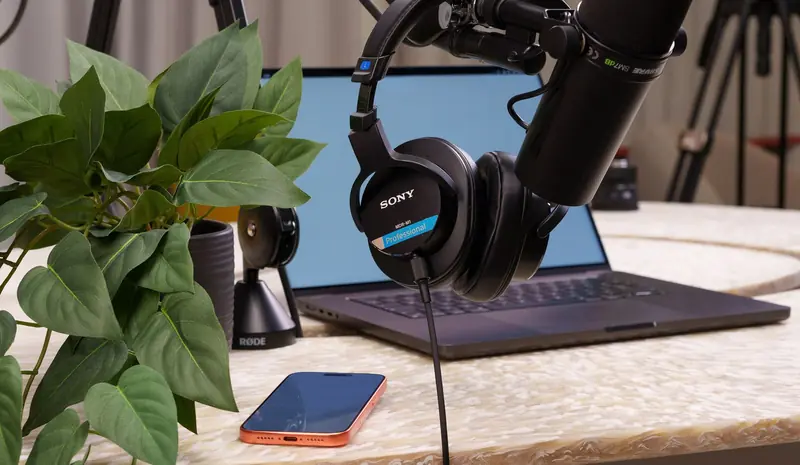
The first rule is to put the bulk of your budget into your microphone, because it has the largest single impact on how you sound. A solid entry-level dynamic microphone will serve you beautifully and forgive an untreated room. You do not need the most expensive mic on the shelf, but this is not the place to buy the cheapest possible option either. Spend a fair share here, and you will be rewarded on every episode you record from now on.
Acoustic treatment is where budgets are most often wasted or, happily, most easily saved. Instead of buying expensive panels right away, look around your home. Thick blankets hung on the walls, heavy curtains, a filled bookshelf, cushions, and rugs all absorb sound and reduce echo remarkably well. Recording inside a closet packed with clothes is a beloved trick precisely because all those soft garments create a naturally deadened space. Treat the area closest to your mic first, and add proper panels later only if you genuinely need them.
When it comes to the rest of your gear, buy only what you truly need and lean on free tools wherever possible. Free recording and editing software is powerful enough to produce professional episodes, so there is no need to buy a paid program when you are starting out. A pair of affordable closed-back headphones lets you monitor your sound. A cheap pop filter and a basic boom arm cost little and noticeably improve your recordings. Skip the mixer, the studio monitors, and the accessories you have merely seen other people use.
Be strategic about how and when you buy. Consider quality used gear from reputable sellers, since microphones and interfaces are durable and hold up well over years of use. Watch for sales, and prioritize purchases that solve a problem you are actually having rather than one you imagine you might have someday. A little patience often lets you get better gear for the same money, and buying secondhand can stretch a small budget surprisingly far.
Above all, remember that skill is free and it outperforms equipment. Learning good mic technique, setting your levels correctly, recording in a quiet space, and editing with care will lift a budget setup above an expensive setup used carelessly. Start with a good microphone, a cleverly treated room, free software, and a couple of inexpensive accessories, then reinvest in upgrades gradually as your show grows. Your listeners care about your content and your sound, not your receipts, and a smart budget studio delivers both.
Popular right now
- Best Microphone Isolation ShieldsBuying guide
- Best Acoustic DiffusersBuying guide
- Best XLR MicrophonesBuying guide
- Gain Staging BasicsArticle
- Best LED Video LightsBuying guide
- Best Digital RecordersBuying guide
Based on the last 28 days of search and visitor data.