Podcast Equipment for Beginners
Published How we research
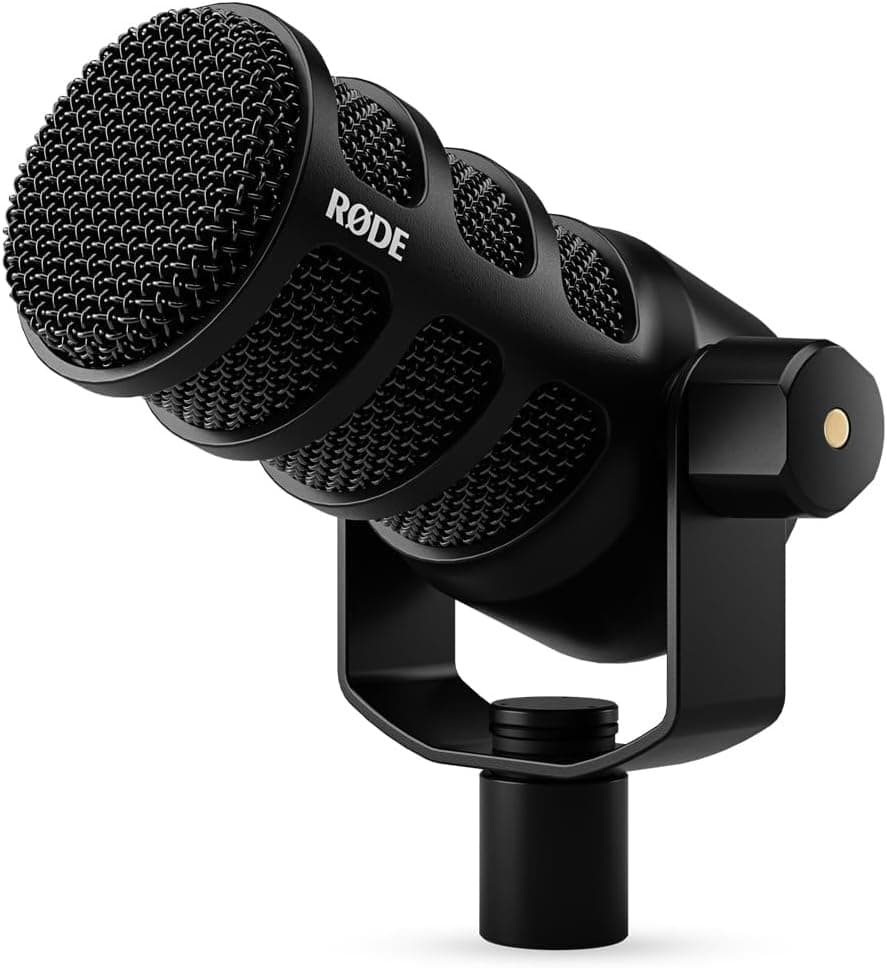
When you first start researching podcast gear, it is easy to fall down a rabbit hole of expensive rigs and endless accessory lists. Take a breath. The gear that matters for beginners is refreshingly short, and spending more does not automatically make you sound better. A thoughtful, modest setup used well will always beat a pile of pricey equipment used poorly. Let us walk through what you genuinely need to get a clean, professional-sounding show off the ground.
Products from this article
The highest-scoring picks from the buying guides this article links to. Scores are our editorial assessment, not customer ratings.
+ USB and XLR outputs cover solo laptop recording and multi-mic interface setups
From our guide: Best Podcast Microphones
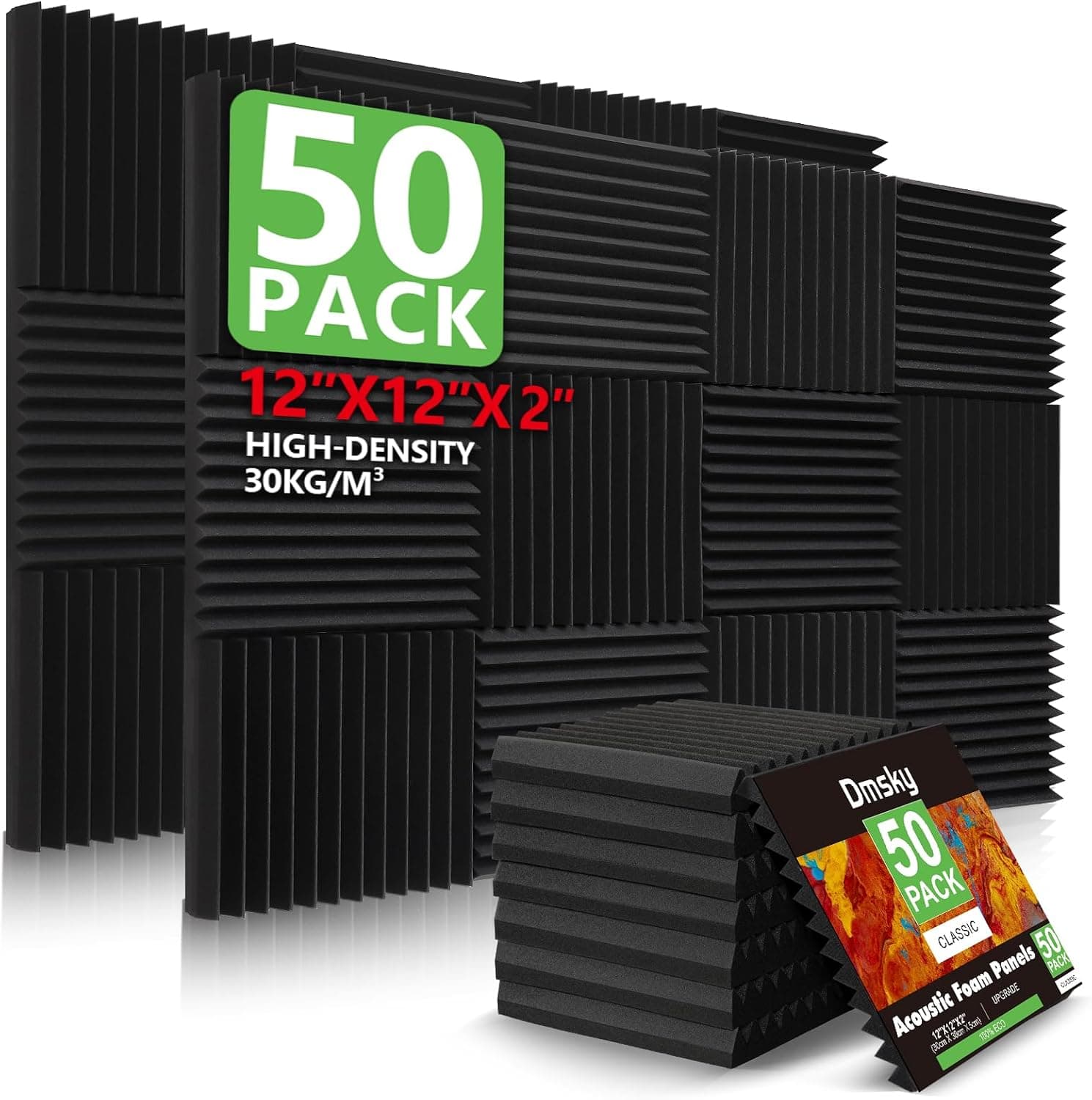
+ 50 Pack covers a good area of wall behind and beside the host
From our guide: Best Acoustic Panels
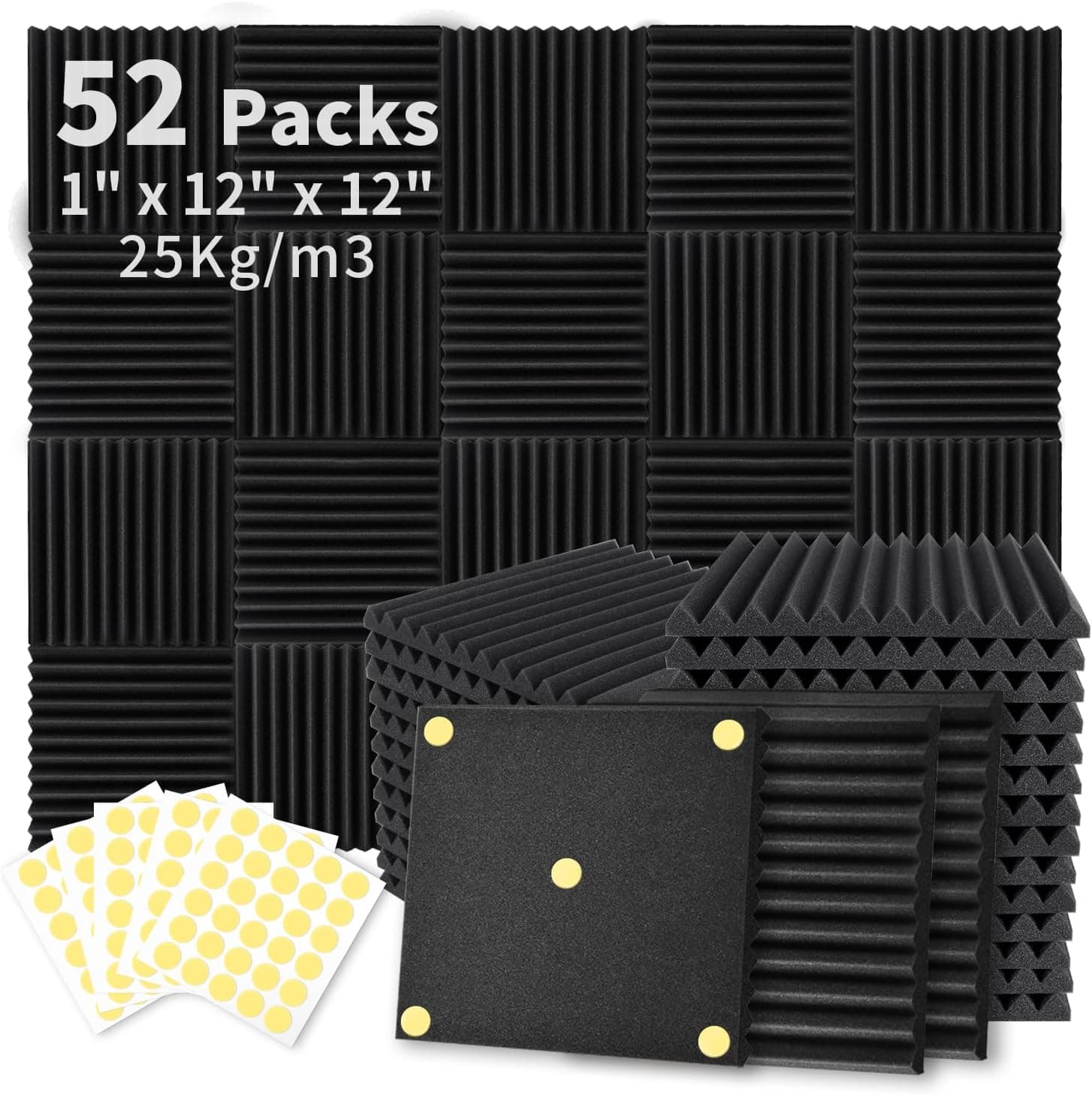
+ 300PCS Double-Side Adhesive is included, so no extra glue is needed
From our guide: Best Soundproofing Foam
+ USB-C and XLR outputs work with modern laptops, phones and pro interfaces
From our guide: Best Podcast Microphones
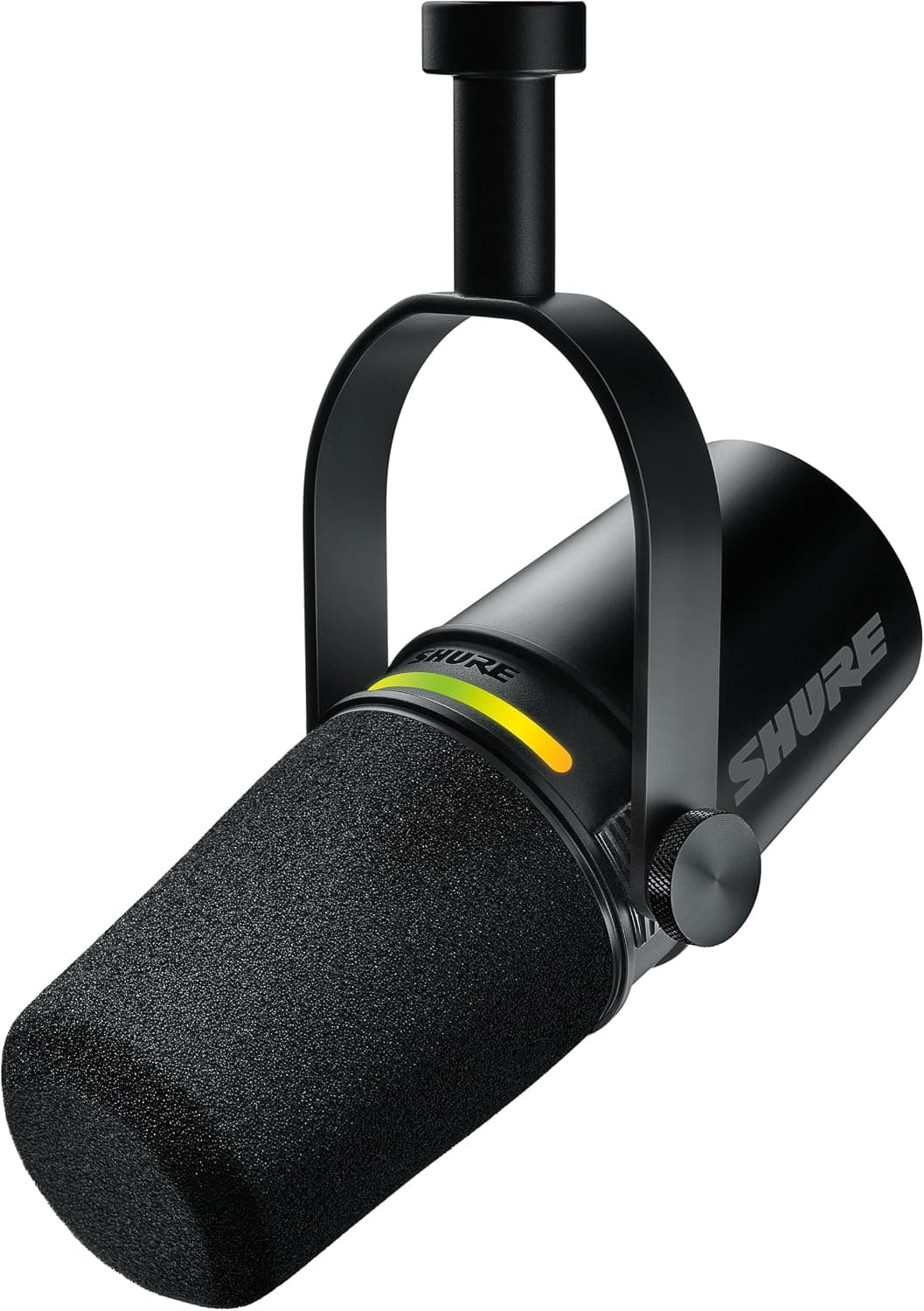
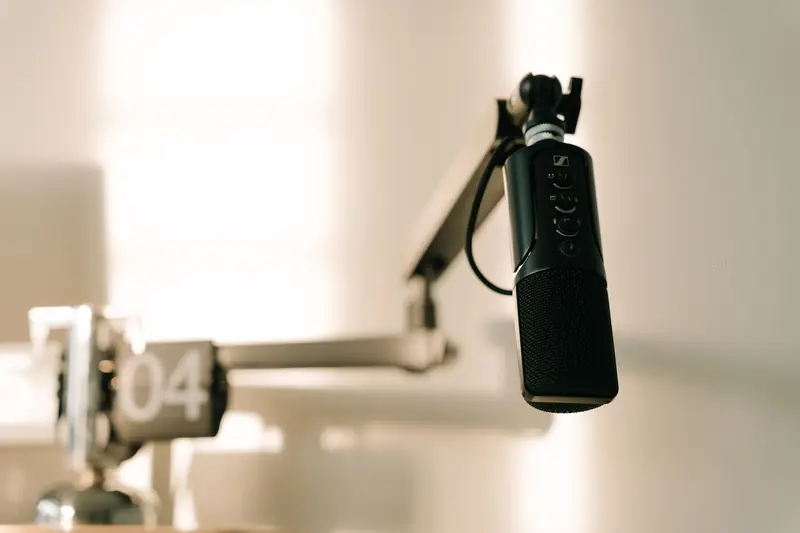
The microphone is the heart of your setup, and it deserves the biggest share of your attention. For most beginners, a solid USB microphone is the sweet spot because it plugs straight into your computer with no extra hardware. If you think you may add co-hosts or want room to grow, an XLR microphone paired with a small interface gives you more flexibility down the line. Either way, choose a dynamic microphone if you record in an untreated room, since it naturally rejects a lot of background sound.
Headphones are the second essential, and closed-back models are the ones you want. Closed-back headphones seal against your ears so the sound does not leak back into your microphone, which keeps your recordings clean. Wearing headphones while you record also lets you catch problems in the moment, like popping, hiss, or a level that is too hot, instead of discovering them later when it is too late to fix.
A few small accessories punch well above their weight. A pop filter or foam windscreen tames the harsh bursts of air from words that start with p and b sounds. A boom arm or sturdy stand keeps the mic positioned correctly and stops desk bumps from ruining a take. If your desk is prone to vibration, a shock mount helps isolate the microphone from knocks and typing. None of these cost much, and together they noticeably lift your audio quality.
If you go the XLR route, you will also need an audio interface, which converts the microphone signal into something your computer understands. Entry-level interfaces with one or two inputs are affordable and reliable, and they give you cleaner sound and more control than a USB mic. For a solo show, a single-input interface is plenty, while two inputs cover you for in-person interviews.
Everything else is optional and can wait. You do not need a mixer, a fancy studio monitor, or a wall of acoustic panels to launch. Free recording software handles capture and editing beautifully when you are starting out. Focus your budget on a good microphone, decent closed-back headphones, and a couple of accessories, and put the rest toward improving your room and your skills. As your show grows and you understand your own needs better, you can upgrade with confidence rather than guesswork, buying gear that solves a real problem instead of an imagined one.
Popular right now
- Best Microphone Isolation ShieldsBuying guide
- Best Acoustic DiffusersBuying guide
- Best XLR MicrophonesBuying guide
- Gain Staging BasicsArticle
- Best LED Video LightsBuying guide
- Best Digital RecordersBuying guide
Based on the last 28 days of search and visitor data.